

Fall Courses

Global experience of human interactions with plants, and the ways in which plants have contributed to the development and the flourishing of human societies. Includes role of plants in providing sustenance, clothing and shelter, quest for spices, the historical consequences of plant explorations and exploitations, the power to heal or kill, plants in mythology and spiritual endeavors, plants that alter consciousness, plant diseases and human history, plants as energy for society, and the Green Revolution in global change and feeding the world in the future.
Registration Approval Required.
MEFB 401 (01) - Marine Estuarine and Freshwater Biology: Freshmen Seminar
The purpose of this course is threefold: First to acquaint freshmen MEFB majors to the wide range of topics that are included in the broad area of marine, estuarine and freshwater biology. Second, to introduce new UNH students to many of the MEFB faculty at UNH and give them the opportunity to become aware of the types of research that is being conducted at UNH. Finally, to begin teaching freshmen how to read the primary literature, write concise summaries of papers they read, give oral presentations to their peers, and understand how scientific knowledge is acquired and disseminated. Students attend a series of seminars presented by a wide range of MEFB faculty. The topics presented vary from year to year depending on the faculty that agree to participate. In addition students are required to read the current literature, write short papers and give presentations to the class.
Registration Approval Required.
Spring Courses
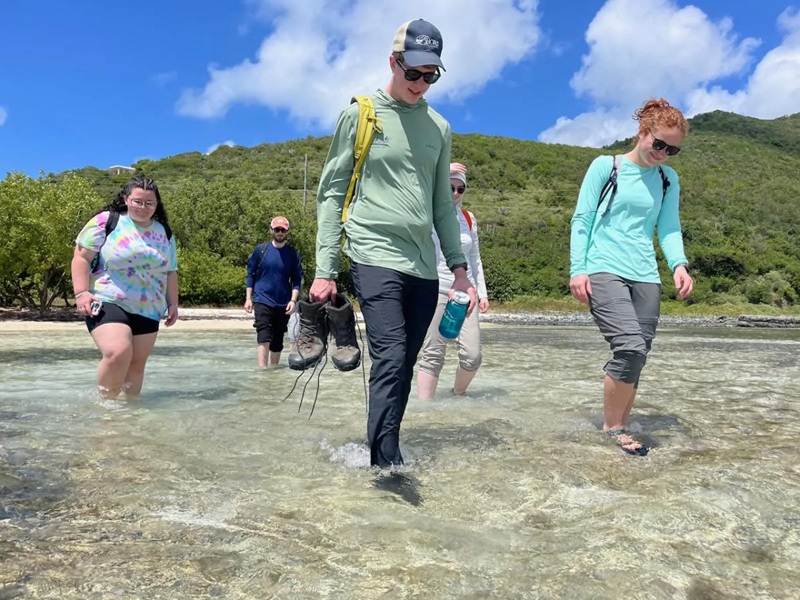
MEFB 590 (01) - Coastlines in Crisis (Study Abroad)
Pairing students from coastal geographies through synchronous online and in-person lecture, we'll explore trends threatening resilience of our coasts and their inhabitants. The science and public perception of coastal threats, sea level rise, and climate related issues will build a baseline for understanding the issues coastal communities face, including contributing factors, and the role of science, technology, and environmental policy in the delicate balancing act between nature and infrastructure.
Department Approval Required.