
Franco-American Cooking
By: Holly Doyle, Abigail Chase, Claire McCarthy, Katelyn Newton, and Alexa Hirsch
French Cooking
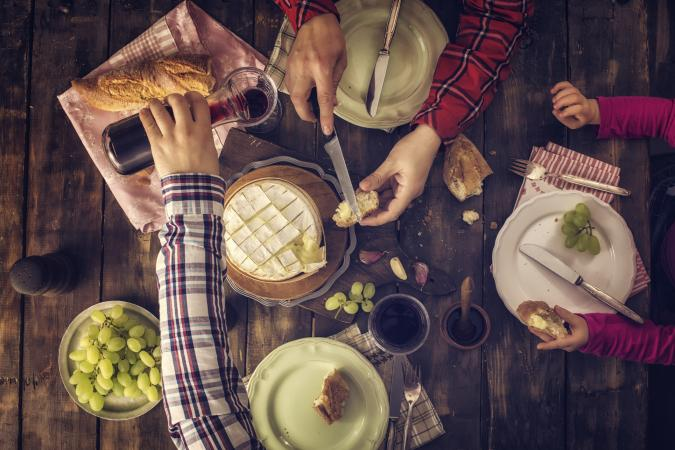
America has adopted cuisines of cultures from around the world. Some may consider France to be the gastronomic capital of the world and it has influenced food in the United States in many ways. In order to understand Franco-American cuisine and how these food cultures compare to each other, it is important to understand French cooking and American cooking individually. Food and drink are the biggest aspect of French culture. Cultural distinctions are determined by taste, and the majority of the French are considered to have a wide and sophisticated palate. Freshness, locality, and of course terrior are all major aspects for the French when they are constructing a meal. Terrior signifies the area by which an ingredient, such as wine, is produced. This includes the region, terrain, and climate that creates a taste that cannot be replicated.
https://french.lovetoknow.com/Culture_of_French_Food
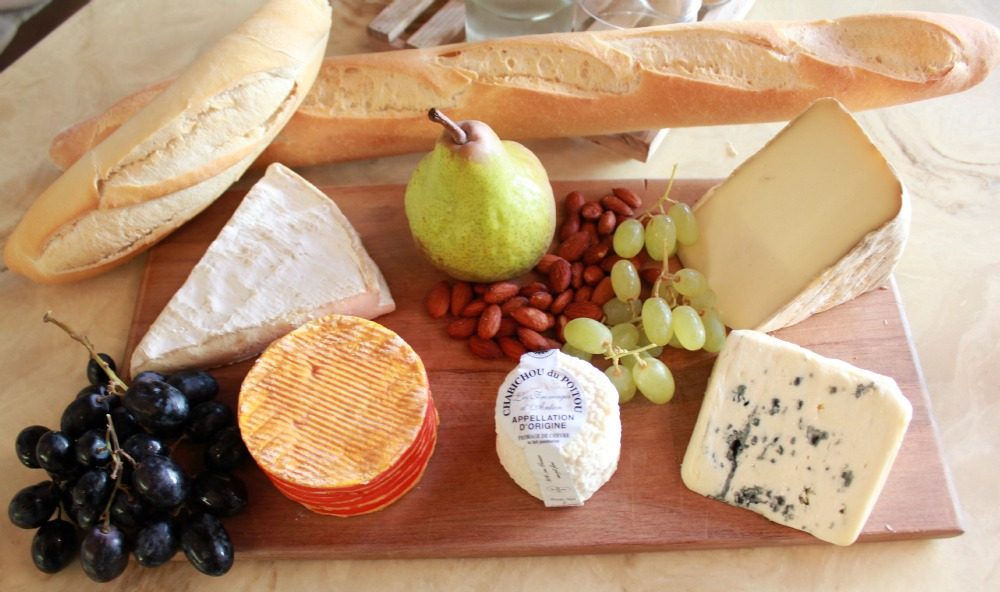
Bread, especially the baguette, cheese, and wine are the central features on a table in France. Oils, vineragerettes, and mustards help to create a basis for many meals while fleur de sal and herbes de Provence season them. Leeks, shallots, and tarragon are additional components to the meal that add extra and distinguished flavors. These ingredients are just some of the popular makings of a French meal and ingredients can vary depending on what meal is being made (Real Simple Editors).
https://www.discoverwalks.com/blog/the-french-breakfast/
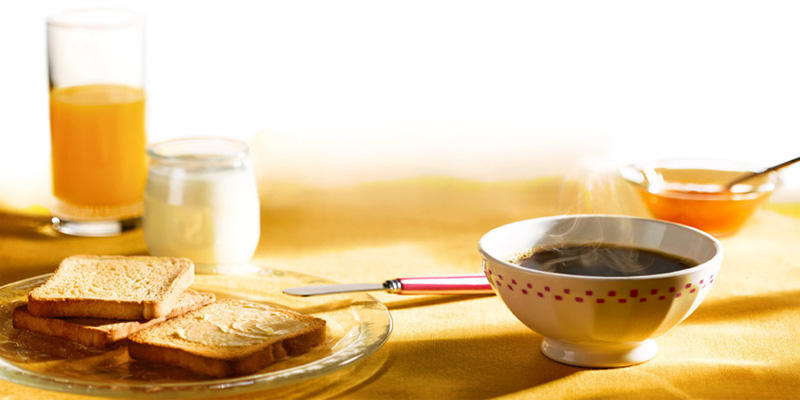
The meals are fairly distinct in France: breakfast, a morning snack, lunch, afternoon snack, and dinner. Snacking outside of the designated time or between meals is fairly frowned upon (Diggs). During breakfast, bread is one of the most important ingredients and is typically topped with jam or butter. However, pastries definitely dominate a morning meal. The French love to have a pastry, a croissant for example, with their coffee. The coffee is usually not taken dark but with some milk and dunking the pastry into the coffee can be a sufficient enough breakfast for many. Orange juice can replace coffee for those who are younger and fruit is also apart of a French breakfast.

Lunch is typically consumed between 11:30 and 1:00 and is a relatively large meal. For many, lunch may be their biggest meal of the day while dinner is much lighter. Lunch typically includes a starter, the main course, and a cheese course followed by dessert and coffee. Dinner is served around 7:30 and 9:00 once everyone is out of work. As mentioned before, dinner may not be extremely extravagant unless of course, it is being cooked as a French gastronomic meal (French Food-Eating in France).
The gastronomic meal of france is so important to the country’s culture it is protected by UNESCO, the United Nations Educational, Scientific and Cultural Organization (Gastronomic Meal of France). There are specific features to a meal that have to be present in order for it to be considered a French gastronomic meal. These elements include gathering the entire family to create a menu, shop for ingredients, and cook. The wine must be carefully paired with the meal and it is important to smell and taste the ingredients during preparation. The table is to be set in a precise way (Samuel). Because the entire family needs to be involved and present, most gastronomic meals occur on the weekend. Gastronomic meals are used to celebrate with loved ones and enjoy “the pleasure of taste” together (Atout France Editors). French food and cooking is unlike any other in the world. It has both a private and social aspect to it and is centralized around the idea of terrior and locality. 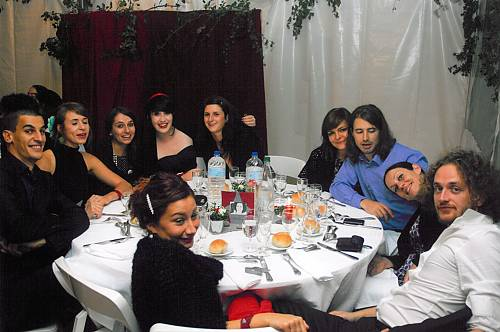
https://ich.unesco.org/en/rl/gastronomic-meal-of-the-french-00437
American Cooking
The American ways and idea of food are very different from those of France. Americans do not praise food in a way that glorifies certain dishes and ingredients like the French do. Although Americans love food, it is more of a survival mechanism. With such a high paced society, Americans are always on the go and so is their food. Food is prepared and eaten very quickly. While having a lot of other priorities, food is never on the top of one’s mind. These ideas of food create very bad eating habits for the Americans.
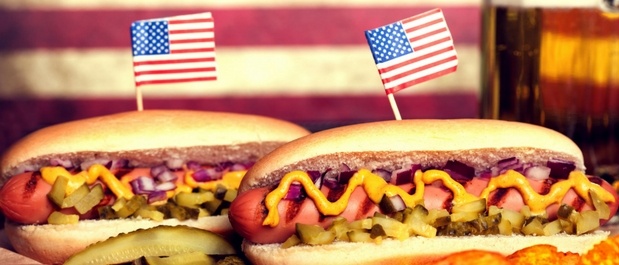
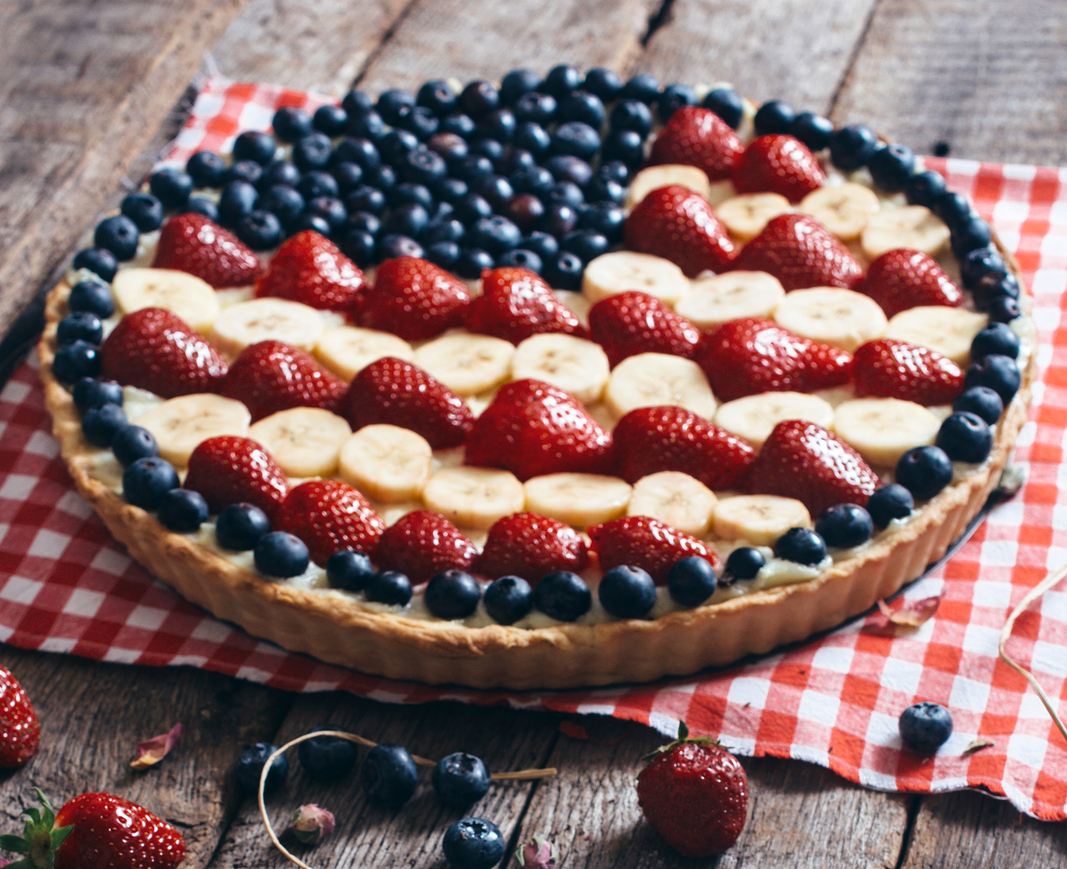
Although food is not praised by the Americans on a day to day basis, food is a staple for many different occasions. Food is very important in an American’s life during holidays, social gatherings, and reflecting on the past and present demographics and cultural influences. During these times, Americans prepare and serve specific foods for the specific occasion. During holidays, almost all Americans eat the same exact meal. Although created by the Americans, their ingredients come from many different cultures. Meals created by Americans are made up of an array of ingredients from different cultures due to the high level of immigration in America. By having such an array of cultural ingredients, Americans are able to create an abundant amount of interesting dishes for their families.


History of Franco-American Cooking
The history of French food and it’s journey to the United States has several influential people involved. Initially, it was the American Revolution that brought french cuisine to the United States. As the French allies came over to help fight the war, they also brought over their culture and food. However when the war was over, the French left, as did their culture. It was Thomas Jefferson who took the initiative to bring French cooking back to America after the war. For a government appointment in 1784, Jefferson went to Paris, and brought along James Hemings, Jefferson’s slave at the time. Jefferson brought Hemings in hopes of training him in French cuisine. Hemings apprenticed under Combeaux, a caterer to Jefferson, who taught Hemings both the language and culinary skills (the author of Thomas Jefferson’s Creme Brulee points out that Hemings soon spoke better French than Jefferson did). When Jefferson and Hemings left France to go back to the U.S., they brought back pasta, champagne, ice cream, macaroni and cheese, and creme brulee.
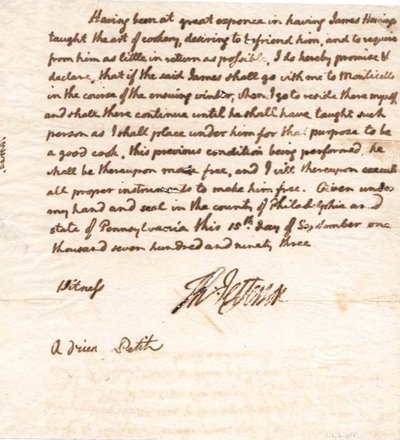
“In 1793, Thomas Jefferson promised to free James Hemings if he would first return to Monticello and train a replacement chef. In his sworn promise, he first notes he incurred "great expense" in arranging for Hemings' culinary training.”
Library of Congress, Courtesy of the Massachusetts Historical Society, Boston
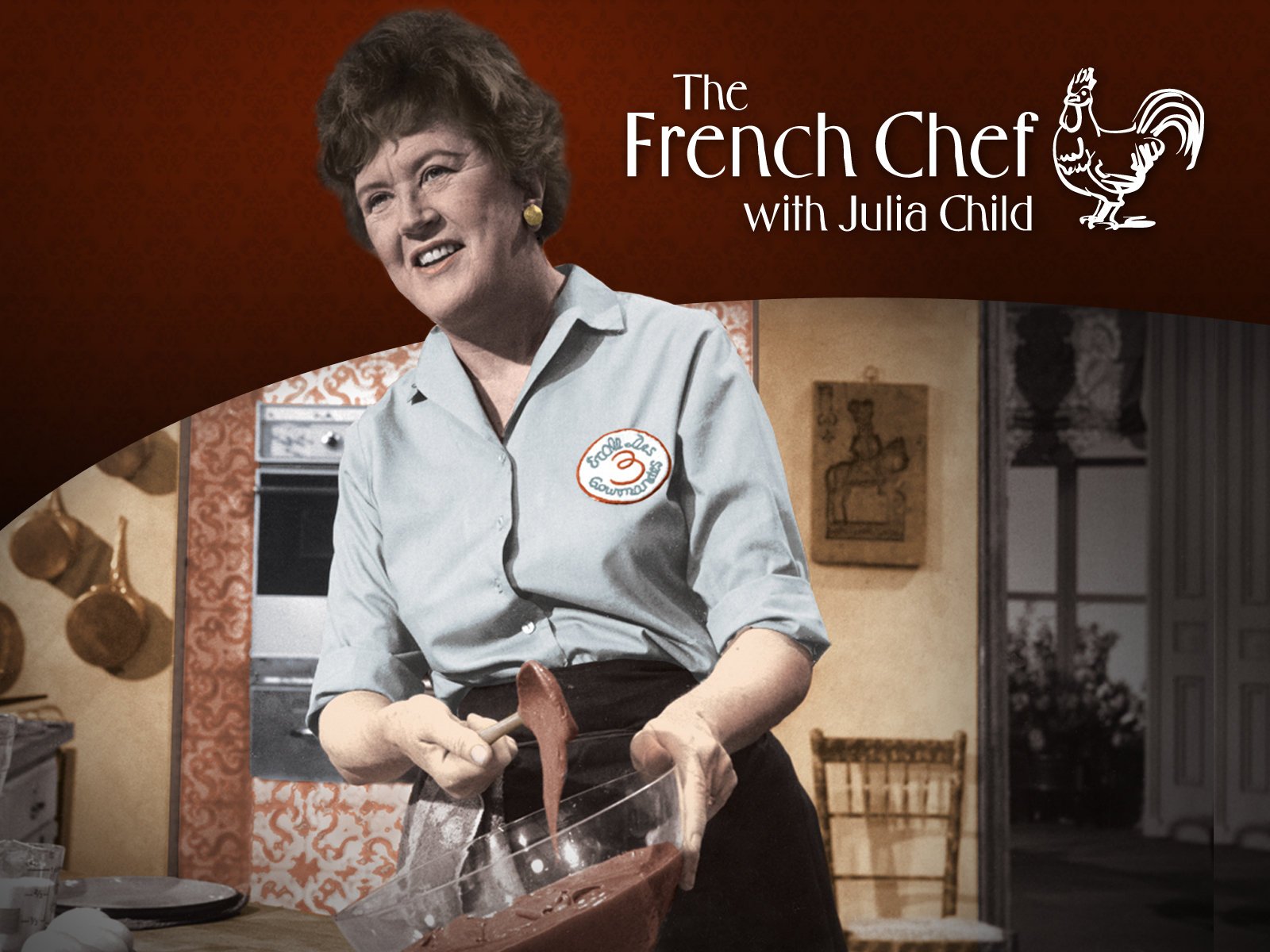
Julia Child also influenced French cuisine in the United States. She published the cookbook Mastering the Art of French Cooking and it quickly became a bestseller. When asked, however, Child says she gives a lot of credit to the Kennedys being in the White House at the time of the book being published, because they hired a French chef which got everyone interested in French cuisine. Her TV series “The French Chef” premiered in 1963 and showed the world, specifically Americans, that cooking French cuisine wasn’t as intimidating as it seems, and it doesn’t need to be “fancy” to be good. Before long, people were making dishes like coq au vin in their own kitchens.
https://www.youtube.com/watch?v=IFAjJif7OoY
Franco-American Cooking
What is Franco-American cooking? Is it American dishes with French ingredients? Is it French dishes with American ingredients? Is it just cooking French dishes in America? Franco-American cooking is all of these things! We all know that America is a melting pot of different cultures, built by immigrants from the Old World who wanted to discover the New World. When the French immigrated to America, French housewives introduced the French way of cooking into American cuisine. What exactly defines “French cooking” and how is it different from “American cooking”?
For the French, the preparation of food is an artform. There is a very specific way to do everything and every step must be followed diligently. Every step is carefully planned with extreme attention to detail. It is all about the technique. Dishes must be made perfectly, or nearly as perfectly as possible to emit intense pleasure, both visually and gastronomically. Techniques are developed and passed down from generation to generation, with children being taught at a very young age. For the American, cooking tends to be much more wishy washy in the strictness of following the recipe. American chefs may throw in a dash of garlic, taste it, add a little salt, taste it again, and continue with this until the dish tastes as they would like on that specific day. Come another day, the same chef may make the same dish but in a completely different way. Dishes made the French way will always taste the same, every time they are prepared. Dishes made the American way will differ slightly in taste and presentation each time they are prepared. The process and love for cooking is not as prominent for Americans as it is for the French. Americans do not enjoy the “chore” of cooking in the way the French do. It is said that the French cook for the pleasure of cooking and eating, while Americans cook because they have to in order to eat and survive. ***
***American cooking is not the way of every cook in America. Since America is a country of many different cultures, the cooking method depends on the chef and his/her culture. Same goes for different restaurants and chefs in France.
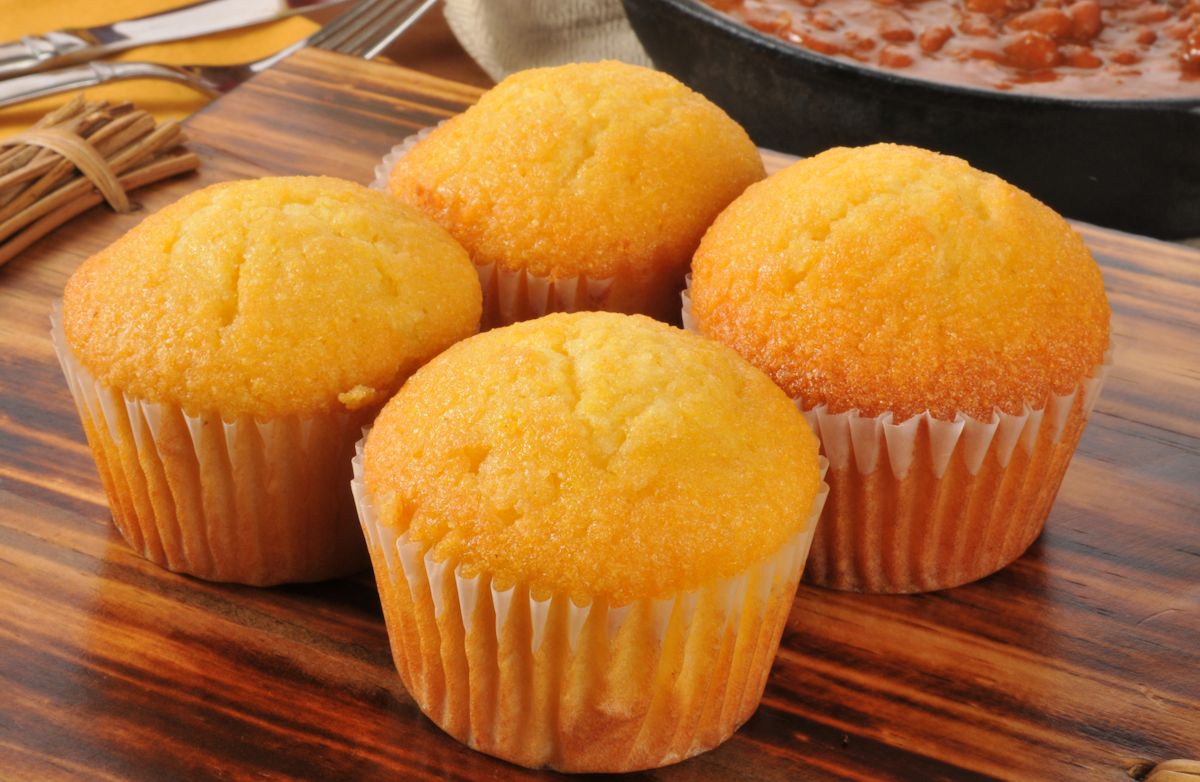
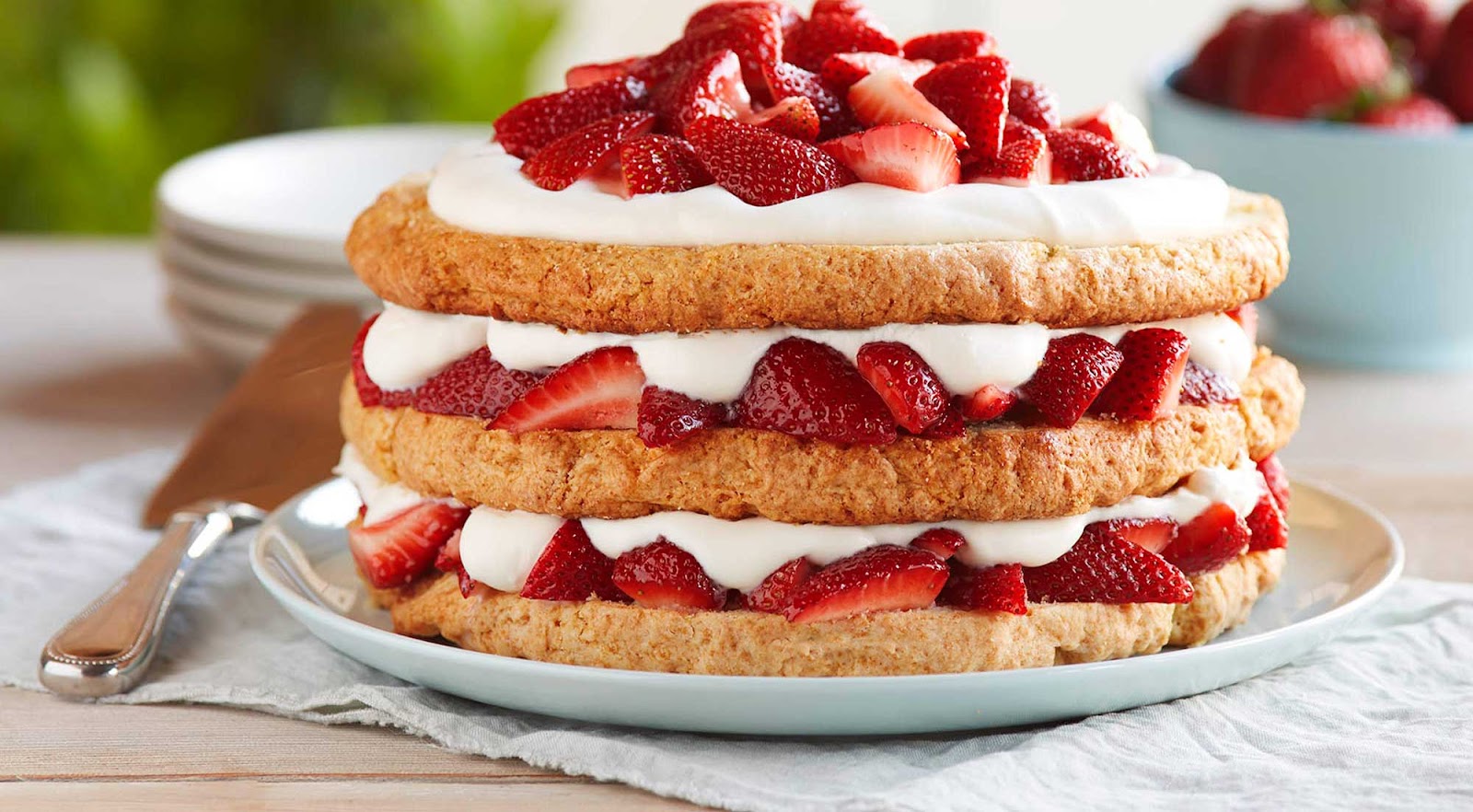
Franco-American cooking is not just cooking French dishes in America, it is also cooking American dishes in a very French way. Freshness of ingredients is much more important than making sure the ingredients are French. For this reason, many Franco-American fusion dishes were created, using the ingredients in season in America, instead of importing foods from France (cheese is an exception). There were many American ingredients and foods that were completely new to the French when they traveled to the New World: corn, sweet potatoes, squash, pumpkins, pecans, hot peppers, vanilla and maple syrup. A couple of well known American dishes, that are actually Franco-American, are strawberry shortcake and corn muffins. When the French came to America, corn was a strange, new food that they grew to absolutely love, hence the corn muffin! To make these dishes Franco-American instead of just American, they are prepared by the methods of French cooking, being sure to consider the bond between pleasure and the dish itself. Every step of preparation is thought through and planned ahead of time, nothing is wasted, and everything is logical.
“Using the native American ingredients as though they were French, they made in their new environments gastronomic extensions of France in precisely the same way that the periphery of France itself is today a gastronomic extension of Paris, touched by whatever cookery it joins with at the border” (French-American Cooking, xiii)
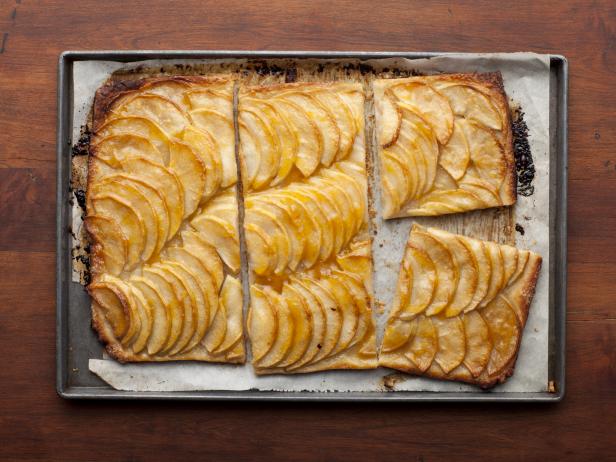
As well as fusion dishes, some dishes stayed French but adopted American names and a lot of American dishes, that were not French at all, adopted French names. A couple examples of French dishes with American names are how French soufflés became American puddings and French tourtes became American pies. Naming dishes with French names became very popular because it made everything sound fancy and sophisticated. American chowder comes from the French word chaudière, which is the cauldron-style pot that French fishermen cooked stews and soups in. Chowder is in no sense French. Hollandaise sauce is another example, as it holds a French name but is not prepared in a procedure that would be used by the French. American desserts are known for stealing French names. Tarts in America are small round pastries with fruit and either a cream or custard filling, while French tartes consist of fruit baked into a rectangle shaped pastry. Pralines in America are made of pecans instead of the French almonds (in America, pecans typically take the place of almonds in many dishes). American meringue and macaroons are nothing like the French meringue and macaroons. When you think of an American coconut macaroon and then a French macaroon biscuit, they are nothing alike!
“Many recipes brought from France retained their French names although their ingredients changed in part or altogether. Others retained their old ingredients but changed their names and, in time, perhaps their cooking method” (French-American Cooking, 138)

French cooking was much more popular in the Southern United States, due to the southern tradition of serving the best food possible to promote one’s social standing and rank. Families that cooked in the French way were often very well off and were considered worldly, educated, and sophisticated. The South was mainly farms owned by wealthy landowners who could walk out of their own backdoor and hand pick all the ingredients they would need for their meals that day. This is very French in the sense that everything will be fresh, like walking to the boulangerie, cheese shop, and vegetable stands every morning in Paris. A very famous French dish, bouillon, became very popular in the South and adopted the American name pot likker. Originally, the French always cooked pork with vegetables, and the bacon-flavored drippings of the pork that cooked the vegetables became known as bouillon.
After the American Civil War, the French style of cooking became less and less popular. Americans began to be all about speed and keeping things simple and easy. There were still French recipes floating around that were passed down from French housewives, and some immigrants from France were still cooking in their traditional way, but many adapted to the new fast-paced American lifestyle of efficiency. When dishes become easier and easier to make, they become less and less French. Many American cooks use flour to increase thickness, instead of the French mixture of egg yolks, butter, and cream, because it is easier and cheaper. The French haute cuisine has continued in America, thanks to professional chefs training in Paris and returning to the US to open chic restaurants. Haute cuisine consists of garnished foods served in small portions, with every bite just as pleasurable as the last (if not more).
Some of the keen differences in Franco-American cooking and French cooking, lie in the ingredients used during preparation. A lot of dishes call for the use of wine in preparation of the dish, and traditionally only the French wines of claret or Burgundy are used. In America, these French wines are harder to get and more expensive, so many people choose to cook with port wine, or what is labeled in the supermarket as “cooking wine”. When it comes to desserts, almond flavoring is very popular in France, but vanilla has taken its place the US. Oysters are served as hors d'oeuvres in France, with pepper and vinegar, but are typically side dishes in the US, served with hot sauce and lemon.
The artistry of French food prep has fused with the ingredients native to American soil, bringing the two cultures together at the dinner table. Some techniques have faded as efficiency and speed have taken over in American society, but most live on in the hands of chefs who train in Paris and bring back their haute cuisine techniques to the States.
An excellent source for recipes introduced with French technique, is Florence Tamburini Steven's food blogs. She was born and raised in France and moved to America with her children, about 20 years ago.
Florence Tamburini Steven’s Food Blog: http://charlotteandspice.com
Older Blog: http://charlotteandspice.blogspot.com
French Ingredients in America
With the increasing popularity of global food and travel as seen in many TV shows, French food in America also has increased in popularity. People are starting to want to leave their food comfort zones and become more global citizens. New interests in French food also has arose from the new understanding of nutrition. Nutrition fads have come and gone, but new research has shown that fat consumption isn’t as unhealthy as previously thought. Americans used to be afraid of eating fat, but now fat is rather trendy because of these new nutritional ideas. This has opened American’s minds to French food, which is famous for containing high levels of fat. Americans have also, with the help of food and travel television, started to demand “real” foods: foods that come from real ingredients, have minimal processing, and are inherently better for you.


Although this new interest in French foods is very good, mostly because it shows that Americans have opened their minds to other cultures, it does lead to some challenges. French and American food values are incredibly different, which makes it hard for French brands to tailor their product to American consumers. For example, food labels in the U.S. have serving sizes listed, and the calories, sugar, salt, etc. are all listed per serving. In France, every value is listed per 100 grams. This would be a change the French company would have to make in order to comply with the FDA laws. Along with the food label challenges, the U.S. will only accept French imports that have at least a 12-month shelf life. This concept of a French product with such a long shelf-life seems to be against many of the French food values of fresh and not overly-processed. Another difficulty is the pricing of French imports. French goods also tend to have higher quality ingredients and the whole importation process tends to be very pricey, which leads to very high prices for French imports. High prices may discourage people who originally were interested in using French products from purchasing these imported items.
 There are several high end grocery and culinary stores located around the country that sell international imports, including French goods. A few examples are Dean and DeLuca, Williams-Sonoma, and Urbani Truffles USA. These specialize in imported goods, however there are also many websites that sell international goods to be shipped to any address. Many French style bakeries and stores utilize this type medium to purchase French ingredients. An example of this is La Maison Navarre in Portsmouth NH.
La Maison Navarre is a French bakery opened and run by a french couple and specializes in French bakery items such as macaroons, croissants, and madelines, and breakfast items such as crepes and omelets. In an email with the bakery, the owner mentioned their passion to maintaining French food values such as naturalness, freshness, and terroir. Owner Charlotte Reymond wrote, “When we decided to come to the US to open our Shop it was mainly to bring the French savoir-faire and the quality of food by eating fresh product, finding the best ingredients, work with the local farmers. Our goal is to bring the French taste to Portsmouth and make our product tastier and healthier because we care.” The bakery works seasonally, and changes their menu depending on what they can find locally.
Owner Charlotte Reymond also noted the business's plans to introduce a wine bar that will have cheese and wine imported from France, but pate and terrine will be homemade and originate from local farmed meats. All chocolate that the bakery uses is from the brand Valrhona, which they buy online and is imported from France. American flour is used, but for the crepes, the bakery imports buckwheat flour from France, and owner stated, “We tried the American buckwheat flour and the taste was not the same at all!” Lastly, the bakery imports butter and juices and nectars from France to maintain that pure French flavor.
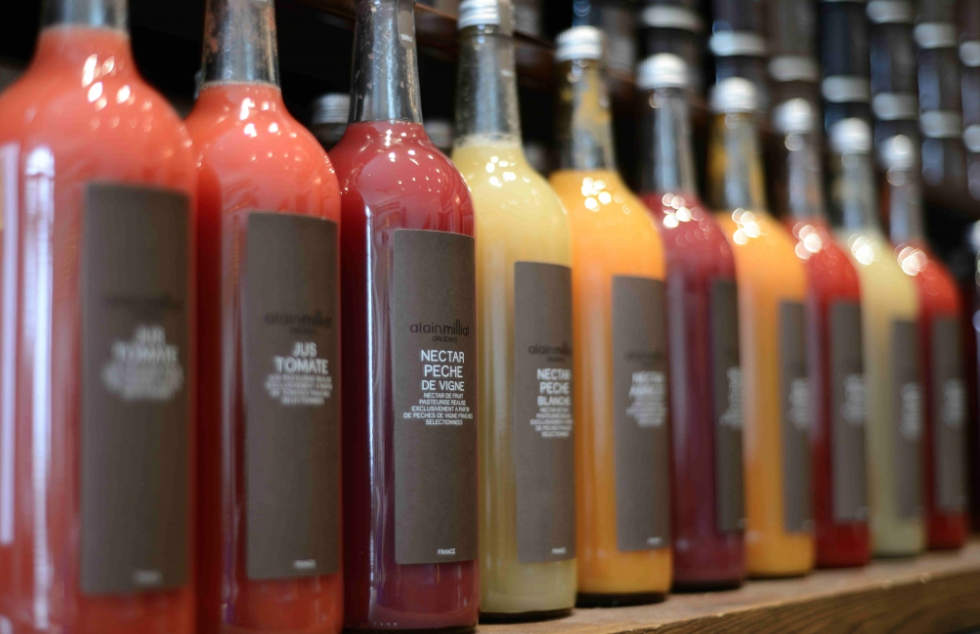
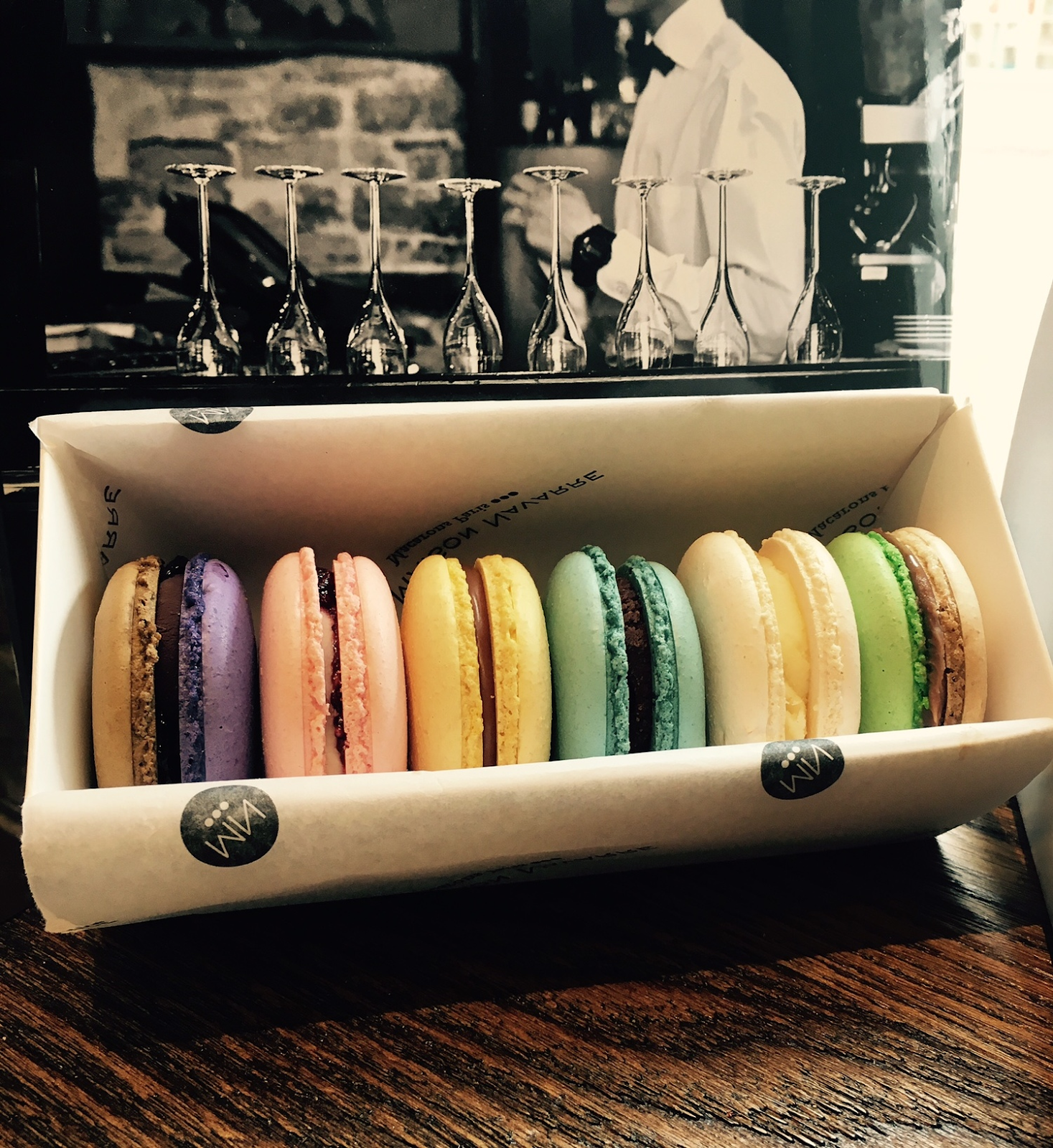
Images above and to the right: Imported Alain Milliat brand no sugar added fresh fruit juices and assorted macarons both from La Maison Navarre website
Helpful Links
https://ich.unesco.org/en/rl/gastronomic-meal-of-the-french-00437
https://www.thespruceeats.com/history-of-french-food-1375346
http://www.pbs.org/food/the-history-kitchen/thomas-jefferson-asparagus-american-independence/
https://www.realsimple.com/food-recipes/cooking-tips-techniques/french-cuisine
https://www.countryliving.com/food-drinks/a36007/most-american-ingredients/
http://healthyeating.sfgate.com/staples-american-diet-9838.html
https://www.theguardian.com/lifeandstyle/2015/sep/08/food-labeling-us-fda-eu-health-food-safety
Works Cited
“American Cuisine.” InterNations, www.internations.org/usa-expats/guide/29464-culture-shopping-recreation/....
Atout France Editors. “The Gastronomic Meal of the French.” Official Website for Tourism in France, Atout France, 4 Dec. 2013, us.france.fr/en/information/gastronomic-meal-french-5.
Avey, Tori. “Thomas Jefferson, Asparagus and American Independence.” PBS, Public Broadcasting Service, 2 July 2015, www.pbs.org/food/the-history-kitchen/thomas-jefferson-asparagus-american....
Calamia, Joseph. “Fast Food Nation: Americans Cook Less Than Any Developed Country.” LiveScience, Purch, 28 Apr. 2011, www.livescience.com/13930-americans-cook-obese.html.
Campbell, Meg. “What Are the Staples of the American Diet?” SF Gate, 21 Nov. 2017, healthyeating.sfgate.com/staples-american-diet-9838.html.
Clark, Morton Gill. French-American Cooking from New Orleans to Quebec. Funk & Wagnalls, 1967.
Craughwell, Thomas J. Thomas Jefferson's Creme Brulee: How a Founding Father and His Slave James Hemings Introduced French Cuisine to America. Quirk, 2012.
Diggs, Barbara. “Food & Eating Habits in France.” USA Today, Gannett Satellite Information Network, 15 Mar. 2018, traveltips.usatoday.com/food-eating-habits-france-12279.html.
Entis, Laura. “Differences between EU and US Nutrition Labels Go Far beyond Ounces and Grams.” The Guardian, Guardian News and Media, 8 Sept. 2015, www.theguardian.com/lifeandstyle/2015/sep/08/food-labeling-us-fda-eu-hea....
Food Network Editors. “American Barbecue Traditions.” Food Network, Food Network, 2 Dec. 2013, www.foodnetwork.com/recipes/articles/american-barbecue-traditions.
Franklin, Rebecca. “A Brief Look at How French Food Has Evolved Over Time.” The Spruce Eats, 16 Oct. 2017, www.thespruceeats.com/history-of-french-food-1375346.
“French Food - Eating in France.” About France, About France, about-france.com/food-and-eating.htm.
“Gastronomic Meal of the French.” UNESCO Intangible Cultural Heritage , UNESCO, 2009, ich.unesco.org/en/rl/gastronomic-meal-of-the-french-00437.
Hageman, William. “How Thomas Jefferson and His Chef Brought French Cuisine to U.S.” Chicago Tribune, 3 Oct. 2012, articles.chicagotribune.com/2012-10-03/features/sc-food-0928-jefferson-20121003_1_jefferson-and-hemings-hemings-family-john-wayles.
Keller, Thomas, et al. The French Laundry Cookbook. Workman Publishing, 1999.
“Maison Navarre Information.” Received by Charlotte Reymond, Maison Navarre Information, 28 Apr. 2018.
McGinnes, Meagan. “French Brands Bring 'Je Ne Sais Quoi' to U.S.” Project NOSH, BevNET, 21 Aug. 2017, www.projectnosh.com/news/2017/french-brands-bring-je-ne-sais-quoi-u-s.
“Our Story.” La Maison Navarre, www.mnpastry.com/our-story/.
Pitte, Jean-Robert. French Gastronomy: the History and Geography of a Passion. Columbia University Press, 2002.
“Preparation of Food in America: A Decade of Change.” The New York Times, The New York Times, 6 Jan. 1982, www.nytimes.com/1982/01/06/garden/preparation-of-food-in-america-a-decad....
Price, Pamela Vandyke. Eating and Drinking in France Today. Scribner, 1974.
Real Simple Editors. “Essential Ingredients for French Cooking Checklist.” Real Simple, Time Inc. Food Collection, www.realsimple.com/food-recipes/cooking-tips-techniques/french-cooking.
Said, Sammy. “Countries That Consume the Most Fast Food or Junk Food.” The Richest, 16 Sept. 1970, www.therichest.com/expensive-lifestyle/location/countries-that-consume-t....
Shinners, Rebecca. “Can You Guess Which Ingredient Is Considered the Most ‘American’?” Country Living, Country Living, 19 Mar. 2018, www.countryliving.com/food-drinks/a36007/most-american-ingredients/.
“US Home Cooking Statistics & Habits: Most Americans Cook at Home.” Reportlinker Insight, 23 Nov. 2016, www.reportlinker.