Views on Alcohol: France vs. America
By: Madeline Murphy, Marissa Pisegna, Cassie Devine and Brittany Livingston
Introduction:
We examined the different views on alcohol between the United States and France. The differing views on alcohol show a lot about each country and their cultures. We found that in France wine is a much bigger part of their culture and children are introduced to alcohol at a much younger age.
History of Wine in France:
The first historical records indicate that in the 6th Century BC, the first vineyards were planted in the South of France in a region known as, Marseilles. Wine was a very common drink because many people did not trust the water since there was no technologies at the time to assure that it was safe to drink. However, in the Dark Ages, people began to really start experimenting with wine and enjoying it in other ways. They began drinking heavier and stronger wines that gave them a completely different taste and along with that they started to pair their different wines with different foods. Not until the Romans came to France however, did wine really increase in popularity and find a real purpose. Wine was a very important part of the sacrament in the Catholic Church, which the Romans embraced. Then, in the 17th and 18th centuries, the wine industry in France really got up and running due to the new and improved techniques in making wine that became available. France began to ship their wine to other countries in Europe like Ireland and Germany and also to the New World where the France traded their wine for coffee and other important items that were being discovered. As France became known as the premier place to get wine and their market was rising exponentially, a disease known as Phylloxera aphid attacked French Vineyards and the wine industry was setback in 1863. Thankfully, after introducing some American roots into the France’s vineyards the disease was abolished and France’s wine industry was able to get back on its feet and is now again considered the most prestigious place to get wine.
History of Wine in The United States of America:
When the Vikings made their way to North America, they called in the “Vinland” since they discovered an abundance of vines in 1000. However, nothing was really done with the vines until the 14th when their were vines planted in Jacksonville, Florida by the French. And then not again until the 15th and 16th centuries were more vines planted in places like California, Virginia, Arizona, Texas, and New Mexico when the wine industry started to get a little more popular in America. A while later, in 1830, the first successful commercial winery was opened in Cincinnati, Ohio by Nicholas Longworth. As wine began to grow as a more common drink in the U.S., the industry was setback when the Prohibition began in 1920. Despite the setback, since 1933 when the Prohibition ended, wine sales in The United States of America have consistently increased and are now being seen doubling every year.
Drinking Motives:
When one drinks alcohol, there always is a reason for it. Whether it’s for a reason of fun or a reason of sadness, there is always a back story as to why that person started drink that day or night. There were two studies, one was conducted in France and the other was conducted in the United States. Both studies resulted in the same four motives that tie in with drinking.
The French study determined that the four main drinking motives are social, coping, conformity, and enhancement. Each of these four motives has two subcategories that go along with why it is considered to be a motive. The first motive is social. Social is considered to be a positive and external motive. The next motive is coping. Coping is considered to be a negative and internal motive. The next motive is conformity. Conformity is a motive that is negative and external. The final motive is enhancement and enhancement is considered to be a positive and internal motive. This overall displays that alcohol can either increase the positive affect or decrease the negative affect. The French study also concluded that the positive reinforcement of alcohol may lead heavier drinking amongst high school and university students, but decrease the drinking habits of younger adolescents.
The United States study found the same four motives behind drinking. Social (positive, external), coping (negative, internal), conformity (negative, external) and enhancement (positive, internal). The United States study, however, concluded that college students tend to endorse positive reinforcement towards the social and enhancement motives. Both of which tend to result in increased alcohol consumption.
Laws:
France:
The legal drinking age is 18 years old in France. However, in France it is common for children to try alcohol at a much younger age due to the importance of wine in French culture.
France has the “Loi Evin” which is a law that was put in place in 1991 to regulate the advertisement of alcohol and tobacco products. The law considers any beverage with more than 1.2% alcohol an alcoholic beverage. Advertisements for alcoholic beverages are very strict. Advertisements cannot be targeted toward young people, shown on TV, on billboards and advertisements cannot occur at sporting events. There are many limitations put on the advertisement of alcohol with hopes to reduce consumption among people of all ages especially young people. Alcohol advertisements that can happen in France are typically on the radio during specified hours or at special events. If there is an alcohol advertisement it must include the origin, composition, means of production in the ad, as well as a health warning (Regaud).
A common warning that is included on alcohol advertisements is, “l’abus d’alcool est dangereux pour la santé” : alcohol abuse is dangerous for health. This warning is included to ensure that everyone who is consuming the products are aware of the potential danger to their health (Levieux, 1). It is common for French people to consume wine almost everyday and this warning is included to remind the people that alcohol can have harmful effects.
United States:
In the United States, there is not any law in place restricting the advertisements of alcohol. The United States has many occasions where alcohol is advertised, even if there are children seeing the advertisement. Alcohol ads in the United States are extremely common and can be seen on television, billboards, the internet, sporting events, clothing and much more. (“Alcohol Beverage Advertising.”).
American kids typically see about 3 alcohol ads per day. Underage drinking is still a significant problem, “the percent of underage individuals drinking still remains unacceptably high. For example, approximately 40 percent of 12th graders have reported being drunk in the past year and binge drinking remains a significant problem.” The United States is known for binge drinking and there are many professionals that are working towards changing this. They believe that reducing the number of alcohol advertisements that young people are exposed to will help reduce the number of underage drinkers (Ferris).
There are small scale bans being put into place within the United States. “The board of the Metropolitan Transportation Authority on Wednesday banned advertising of alcoholic beverages on New York City buses, subway cars and stations, contending that the social benefits of deterring underage drinking outweighed the loss of revenue.” New York City’s public transportation is one of the groups that has banned alcohol advertisements. (Ferrė-sadurní).
Children typically see these ads at sporting events, on public transportation, on the television and much more. These ads can influence their view on alcohol. The ads typically associate alcohol with being cool and having fun and children may not understand the consequences. It has been said that these advertisements have been wrongly targeted toward certain groups such as people of color, low income communities, and children. With the banning of these advertisements people hope that it will reduce the influence on children and in turn decrease the percentage of underage drinkers. Overall, France’s banning on alcohol is slowly making its way over to the United States.
Wine Tourism:
Wine tourism is a growing industry and attracts people from all over the world. The purpose of wine tourism is to taste and buy wine. Today, wine tourism is not just targeted towards wine experts, it is for everyone; young couples, friends, and even old couples go on wine tours.
10 success factors for wine marketing- (Thach and Laurence)
Wine marketing is very important and helps increase the number of wine tourists and the amount of wine sold, some of the key factors that help improve wine tourism are:
-
Open cellar doors- People want there to be a variety of different wine cellars open where they are able to try and purchase wine.
-
Wine routes- Tourists want easy to read maps, so that when they are exploring the vineyard it is easy to navigate and they won’t get lost.
-
Transportation- It is better if the vineyard offers are a variety of both public and private transportation methods to get to the vineyard. It is favorable if the vineyard is located close to a major city or an airport.
-
Communication tools/ websites- Social media presence increases the number of tourists that come to a vineyard.
-
Tours- People want simple tours of the vineyards but others prefer more extravagant tours such as horseback riding and wine making workshops.
-
Events- If a vineyard has multiple events each year it will increase the number of tourists and encourage past visitors to revisit to the vineyard.
-
Tourism infrastructure- The region needs to have a variety of hotels and restaurants to attract the guests.
-
Centralized tourism organization- Tourists want both an online and in person interaction.
-
Local attractions/ culture- The regions that have more to do than just the vineyard such as hiking or shopping are more favorable.
-
Regional collaboration- Wineries that have a good relationship with the community tend to have a better business.
Wine Tourism in France:
Wine tourism in France is growing rapidly and is drawing visitors from all over the world. The number of tourists increase each year, “There were 7.5 million in 2009, but it is now estimated that 10 million came in 2016 to discover French wines and vineyards. This represents a growth of more than 30% and a total spend of 5.2 billion euros” (Wine Tourism in France in Numbers).
In France, people travel to certain regions to try the different types on wine in France. Terroir is the place where the grapes are grown for specific wines, the areas the grapes are grown have different characteristics which give the wine a particular taste. The terroir is very important to the French people and allows their wines to have very specific flavors which they are very passionate about. There is more to wine tourism then just trying the wine, tourists have the opportunity to see how the wine is made, take a walk through the vineyard or even stay a night.
Wine Tourism in the United States:
The United States wine market is one of the largest and fastest growing wine markets in the world. Since the wine produced in the United States is getting increasingly popular, this increases the number of tourists that are drawn to the destination. The tourism gives the wine producers the opportunity to actually engage with their customers and show them their product. This makes the wine buying relationship more personal and as a result, the sales of the wine are increasing. Many people travel to Napa Valley in California because that is one of the well known areas with lots of vineyards.
Appellations: How Wines are Catagorized
An appellation is a legally defined and protected geographical indication used to identify where the grapes for a wine were grown (“The Wine Appellations of").
A lot goes into how wines are categorized. There are several laws and guidelines to be followed in order for a wine to deserve a respected appellation. Restrictions other than geographical boundaries, such as what grapes may be grown, maximum grape yields, alcohol level, and other quality factors, may also apply before an appellation name may legally appear on a wine bottle label (“The Wine Appellations of").
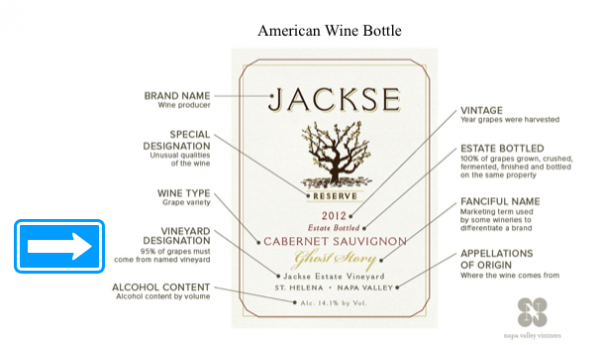
Appellations are reliant on the country in which the wine was made in terms of the region and grape variety...
Today, there are over 360 AOCs in France and most are within 11 primary growing regions (e.g. Rhône, Loire, Alsace, Bordeaux etc.)(Karlsson). The French AOP system has rules that apply to nearly every aspect of wine production, including grape varieties that may be utilized, minimum alcohol level, aging requirements, and even vineyard planting density (Karlsson).
French Appellation Categories:
AOP/AOC:
AOP is France’s best and most "prestige" classification system. Wines labeled after appellation (e.g. “Sancerre”) have a certain grape variety that is allowed to be used.
 Vin de Pays:
This classification is in general, every table wines. The regional designation is less strict with more allowed grape varieties (Karlsson). A lot of brands specific to the Vin de Pays appellation are found most often in grocery stores.
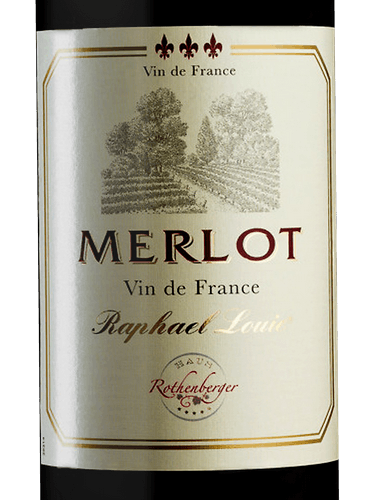 Vin de France:
The most basic quality French wine is categorized under the appellation of Vin de France. These wines are the cheapest and often less sought after wines by taste and variety.
**As an example, in Burgundy, winemakers believe that they are producing a Burgundian wine that happens to be Pinot Noir and not a Pinot Noir from the Burgundy region.
American Appellation Categories:
In the United States we established the American Viticultural Areas (AVA’s) which are the designated wine growing regions. A wine has to be identified by the variety of the grape, provided it uses a minimum amount of this grape and the AVA in which the grapes were grown (“The Wine Appellations).
The United States currently has 107 appellations and sub-appellations in California. Napa Valley was the first appellation in the United States and was designated as that in 1981.
Some AVAs, such as the Mississippi River AVA, span across millions of acres of land while others have only a few hundred acres. In order for a wine to carry an AVA label, at least 85% of the grapes must come from the listed AVA (“The Wine Appellations").
AVAs are a bit different than Frane's more understnding system. For example, the United States has no regional or quality-based hierarchy within their appellation system. Some AVAs are also parts or sub-appellations of other designations. For example, Oakville AVA is a sub-appellation of Napa Valley AVA. And, the Napa Valley AVA is a sub-appellation within the much larger North Coast AVA (Napa Valley Vintner).
Examples of French Wine Terroir:
Bordeaux -- Sandy Gravel
The dry gravel at the base of the vines encourages the vines to seek nourishment very deep in the ground, giving a slightly earthy taste to the wine produced in Bordeaux.
Languedoc -- Wild Herbs in Dry Scrub-Land
These wild herbs give the wine produced in Languedoc mild floral notes and gives the wine a slightly sweeter taste.
Clos du Chapitre -- Clay
Clos du Chapitre is sheltered by a village church, whose stone walls reflect sunlight onto the vines. Its grapes take longer to ripen, but they use that time to develop complexity and a specific taste of wine based in that region.
Example of American Wine Terroir:
Soils of volcanic and marine origin coexist in Napa Valley. Over 40 million years ago, the oceanic and volcanic crusts collided to create Napa Valley. The diversity in these soils allows for varied complexity in taste. These soils and deposits have so much diversity, that over 100 different types of soils are present among Napa Valley (Napa Valley Vintners).
Consumption:
Average Consumption:
FRENCH:
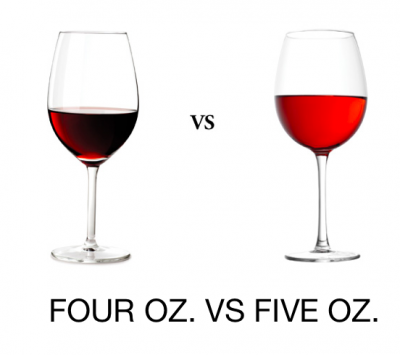
Today, the French drink about 115 ml per day (4 ounces), less than a standard pour in the US (about 5 ounces for a glass of wine at the bar or a restaurant). ("Health Risk or..”)
AMERICAN:
The United States defines “moderate consumption” as one 5-US-fluid-ounce (150 mL) glass of wine per day for women and two glasses a day for men”. (“Health Risk or..”)
 Drinking in College:
Drinking in college has become a ritual that many students see as an essential activity that goes along with their higher education experience.
When discussing the party scene in both France and the United States one would come across several differences. This is mainly because the drinking age in both countries is different. In France the drinking age is 18 and in the United States the drinking age is 21. Because of this difference the party scene in France tends to be more localized at bars whereas in the US parties are more dominated by sororities and fraternities. Fake IDs are also very common in the US because many adolescents want to drink right out of high school, but they all have to wait until their junior year of college when they finally turn 21. Fake IDs are a non issue in France because young adults are able to drink at the age of 18. Both of these young drinking ages tend to lead to much binge drinking amongst youth. In France, binge drinking is significant for all adolescents, not just college students. This is because alcohol is introduced and usually encouraged in France at such a young age. However, in the United States, binge drinking and alcohol dependence is much more common in just college students, not all adolescents as a whole.
Binge Drinking:
Binge drinking in France is considered to be a big problem. In 2014, France came up with a draft to a new health bill. This bill states that anyone who initiates binge drinking could be punishable with up to a year in jail or a hefty fine. The French Health Minister Marisol Touraine reported that it would be illegal to sell products that make alcohol appear pleasant. This would include things such as phone cases, tshirts, and posters. This bill was seen as “remarkable” because France has always been one of the world’s most liberal countries in terms of alcohol. This map was included in the 2014 new bill article and shows that France binge drinking rates falls within the 20-30%. Their goal was to be in the less than 10% category. France’s main motive for this change was mainly targeted at the youth in France. They were trying to minimize the amount of alcohol related accidents and crimes.
France continues to push for a cut down in drinking even in 2019. They are still encouraging this cut down because over a quarter of the French overconsume. The French now suggest a maximum of two glasses per day, but not everyday. Now France’s main motive for the cut down is now orientated around decreasing alcohol related illnesses, such as cancer, high blood pressure, cerebral hemorrhage, and cardiovascular diseases. This is because alcohol is the second biggest cause for preventable deaths in France, after tobacco, killing some 41,000 people each year. France is sick of these preventable deaths and is ready for a permanent drinking change.
Conclusion:
Between the different histories, drinking ages, wine cultures, and consumption rates, alcohol in France is seen very differently than it is in the United States. France’s long history and cultural view of wine makes their perspective on alcohol, specifically wine very different from America’s.
Citations:
Alfd. “Alcohol Beverage Advertising.” TTB, U.S. Department of Treasury: Tax and Trade
Bureau , Jan. 2015, www.ttb.gov/advertising/alcohol-beverage.shtml.
Bruwer, Johan, and Liz Thach. “Wine Tourists’ Use of Sources of Information When Visiting a
USA Wine Region.” Journal of Vacation Marketing, vol. 19, no. 3, July 2013, pp.
221–237, doi:10.1177/1356766712464768.
“Consequences.” Consequences of College Drinking, www.collegedrinkingprevention.gov/statistics/consequences.aspx.
“Drinking Motives and Alcohol Consumption Behaviors among Young French People.” Addictive Behaviors, Pergamon, 5 Apr. 2017, www.sciencedirect.com/science/article/pii/S030646031730148X.
“Fall Semester—A Time for Parents to Discuss the Risks of College Drinking.” National Institute on Alcohol Abuse and Alcoholism, 2018, pubs.niaaa.nih.gov/publications/CollegeFactSheet/CollegeFactSheet.pdf .
Ferrė-sadurní, Luis. “M.T.A. Will Ban Alcohol Advertising on Buses and Subways.” The
New York Times, The New York Times, 25 Oct. 2017.
Ferris, Robert. “American Kids Are Getting Their Fill of Alcohol Ads.” CNBC, CNBC, 20 May
2016.
“Health Risk or National Treasure? Why France Is Warring over Wine.” The Local, 26 Feb. 2018, www.thelocal.fr/20180226/france-where-wine-isnt-just-any-old-alcohol.
Karlsson, Per and Britt. “Languedoc: French Wines With Terroir, Character And Personality.” Forbes, Forbes Magazine, 8 Aug. 2016,
www.forbes.com/sites/karlsson/2015/02/09/languedoc-french-wines-with-ter....
Levieux, Eleanor, and Michel Levieux. Insiders' French: Beyond the Dictionary. The University
of Chicago Press, 1999, p. 1.
McCarthy, Niall. “The Worst Countries In The World For Drunk Driving [Infographic].” Forbes, Forbes Magazine, 11 Aug. 2016, www.forbes.com/sites/niallmccarthy/2016/08/11/the-worst-countries-in-the....
Napa Valley Vintners. “How to Read a Wine Label Infographic.” Napa Valley Vintners, napavintners.com/wines/how_to_read_a_wine_label.asp.
Noack, Rick. “France, Where Children Sip Wine, Wants to End Binge Drinking.” The Washington Post, WP Company, 16 Oct. 2014, www.washingtonpost.com/news/worldviews/wp/2014/10/16/france-where-childr....
“'Quoi, Just Two Glasses?' French Urged to Cut down on Their Drinking.” France 24, 30 Mar. 2019, www.france24.com/en/20190326-france-alcohol-recommendation-campaign-dail....
Regaud, Alain, and Michel Craplet. "The 'Loi Evin': a French exception." Institute of
Alcohol Studies, The Globe, 2004.
Schofield, Hugh. “Why Are the French Drinking Less Wine?” BBC News, BBC, 26 Mar. 2013, www.bbc.com/news/magazine-21929287.
Thach, Liz, and Laurence Cogan-Marie. “Wine Tourism in Burgundy, France: An Analysis of
Marketing Practices.” Tourism Review International, vol. 22, no. 1, Apr. 2018, pp. 81–95.
EBSCOhost, doi:10.3727/154427218X15202734130468
“The French and the Culture of Wine.” Engel & Völkers, www.engelvoelkers.com/en-hk/hongkong/blog/the-french-and-the-culture-of-....
The Local. “Alcohol Report Lays Bare France's Drink Problem.” The Local, The Local, 4 Mar. 2013, www.thelocal.fr/20130304/alcohol-kills-49000-french-people-a-year.
“The Wine Appellations of the US, France, Italy, and Spain.” Wine Folly, 5 Apr. 2019,
winefolly.com/review/looking-for-good-wine-start-with-the-appellation/.
Wine Tourism in France in Numbers, visitfrenchwine.com.