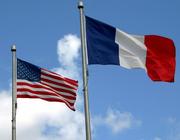
French vs. American Holiday Traditions
Gastronomic Tourism in America and France
We all celebrate holidays and special occasions no matter where we are in the world, but have you ever thought about how they are different between America and France? Through our research, we looked into the differences in how Americans and the French celebrate holidays and special events. In particular, we focused on the differences in the food they eat at special events and if they have specific traditions regarding food. The first special event we will talk about is the marriage meal in France where they have many special traditions and ways of serving the food. Next, we will talk about the difference between American and French Easter and how great of a role not only religion, but food, plays into their traditions. The last comparison we will talk about is the difference between how Christmas is celebrated in American and France and dive into how different the traditions and meals are. Lastly, we will look at the role food plays in Thanksgiving in America.
The Marriage Meal
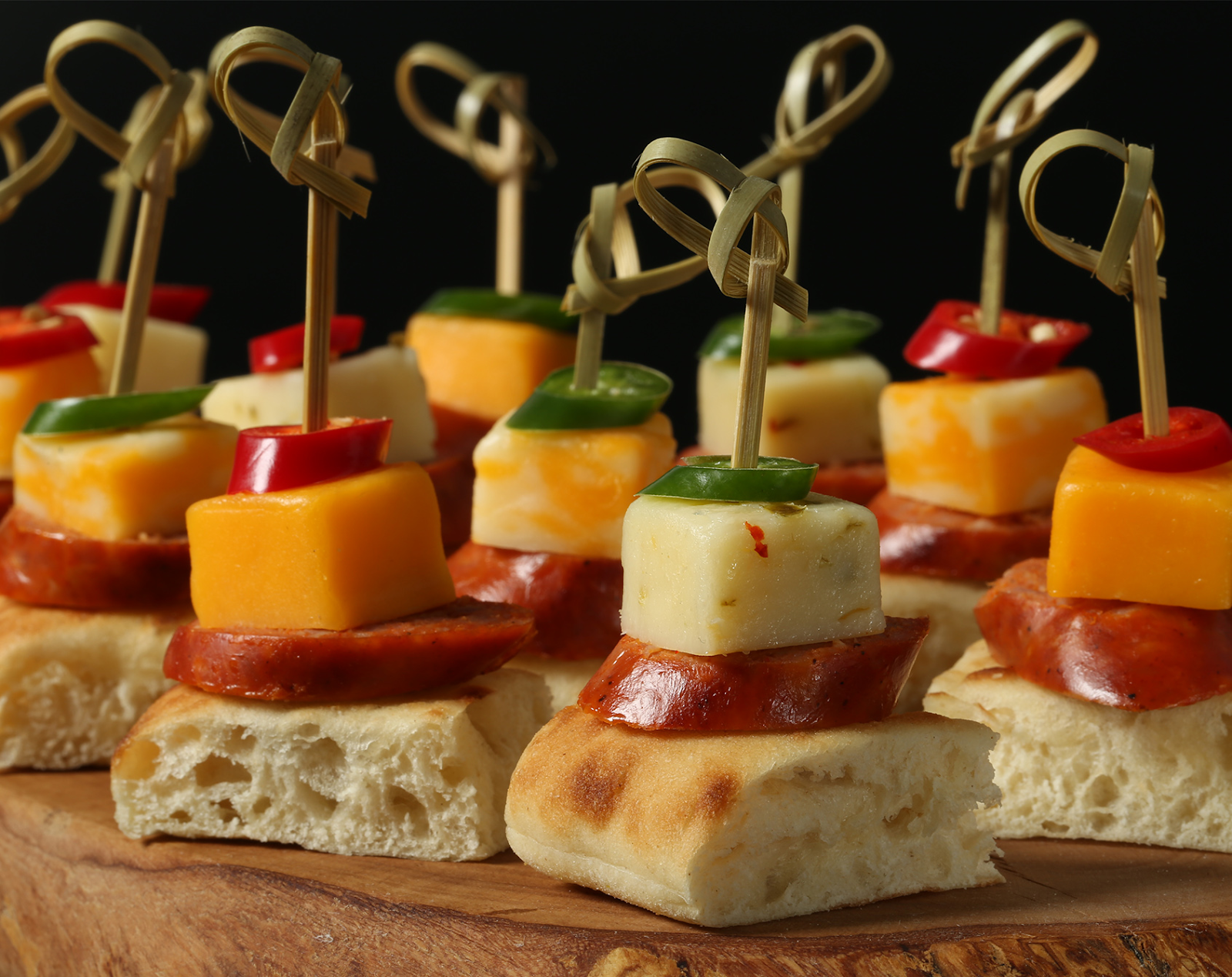
To attend a wedding ceremony in France would be a special event. Differing from American weddings where the couple plan a theme of their choosing, the French like to stick to tradition. Focusing on the food itself, in a traditional French reception, firstly, wine is served. Multiple French wines will be distributed along with the “hors d'oeuvres” or appetizers. The wine is paired with cheese, grapes and other foods and unlike american tradition, the wine is not just to drink but to compliment the food. The French appetizers differ from american appetizers as in America, a typical wedding appetizer would be sliders or mini turkey or hamburgers, fries, and a fruit or salad station. In France, appetizers are traditional and you will see these traditions at almost every French wedding. They include pass canapes. The pass canapes are usually a small bite-size piece of bread or pastry with a savory topping on top. Next there will always be the escargot or the snails. These are a French delicacy and will always be at the table to serve.

Moving on to the traditional “toast” of the wedding, in America, many family and close friends will make a speech about the bride and groom and everyone will raise their glass. In France, it is similar but the traditional aspect again, plays a major role that differs American culture from France. A simple, engraved metal chalice with two handles is used by the bride and the groom. This tradition dates back to the 13th century. The two handled cup are held by both the bride and groom to drink from, representing love and loyalty.
Finally the main meal and cake. Soups are served like French onion, beef burgundy, and the coq au vin made with chicken, wine and mushrooms and onion. The traditional French wedding cake is a tower of cream-filled pastries called a croquembouche. Dating back to the 1700s, this pastry tower is a staple in French weddings. While there are are many differences between French and American weddings, the theme of love still dominates all!


The French Easter Meal
France is a historically Roman Catholic Nation, so Easter is considered one of their most important holidays. The main course of the traditional Easter meal in France is Lamb. Roasted or skewered lamb is used in many Easter meals in France. Popular lamb dishes for the French include “gigot d’agneau” (leg of lamb) and “les brochettes d’agneau” (skewered lamb). Many households also prepare lamb stew locally called the “navarin”. The lamb is carefully cooked and seasoned and served alongside lots of vegetables such as green beans, carrots and potatoes.
As a sign of mourning, Catholic churches and cathedrals don’t ring their bells in the period between Good Friday and Easter Sunday. On the Friday, young children are told that the bells have grown wings and flown to Rome to be blessed by the Pope. On Easter Sunday morning, tradition says that the bells return, bringing chocolate. As they make their way back to France, on Easter eve, they drop these chocolaty treats at the houses of children along their flight path. After making deliveries all night long, they have to be up bright and early the next morning to ring in Easter Sunday. When the children hear the bells ringing, they run outside to hunt for the goodies that the Cloches de Pâques, or “Easter Bells” have left them. Then the traditional Easter egg hunt begins, when kids search for hidden chocolate bells and eggs around the house and garden.
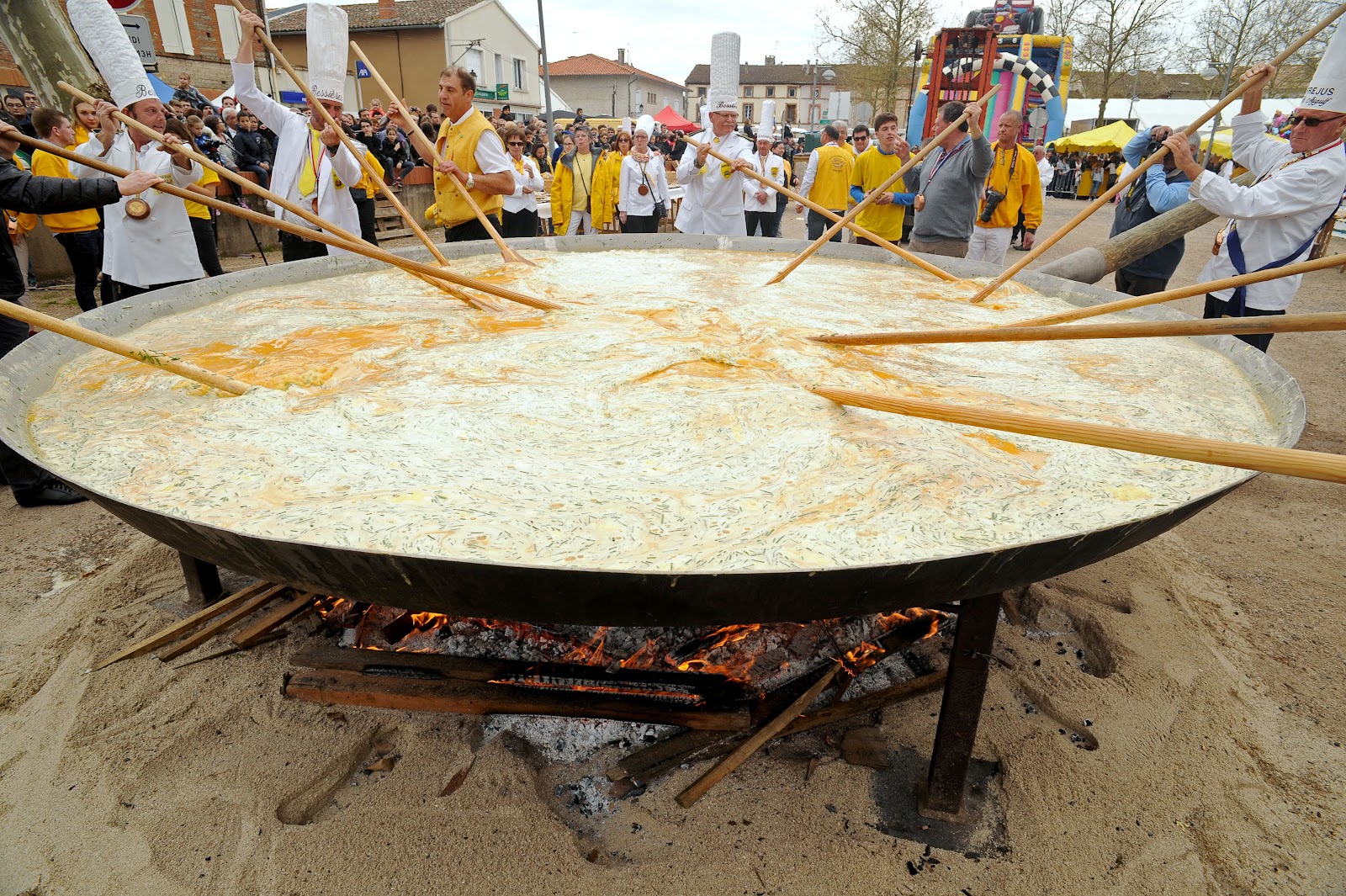
Some regions of France have special easter meal traditions that aren’t celebrated in the rest of the country. In Bessieres near Toulouse, every year on Easter Monday they prepare a giant omelette in recognition of when Napoleon Bonaparte and his army stayed overnight near the town. Napoleon had enjoyed an omelette he had been cooked so much that he asked that locals collect all the eggs in the village and cook a massive version for his army. The omelette is cooked in a frying pan with a diameter of four metres and requires 15,000 eggs to make.
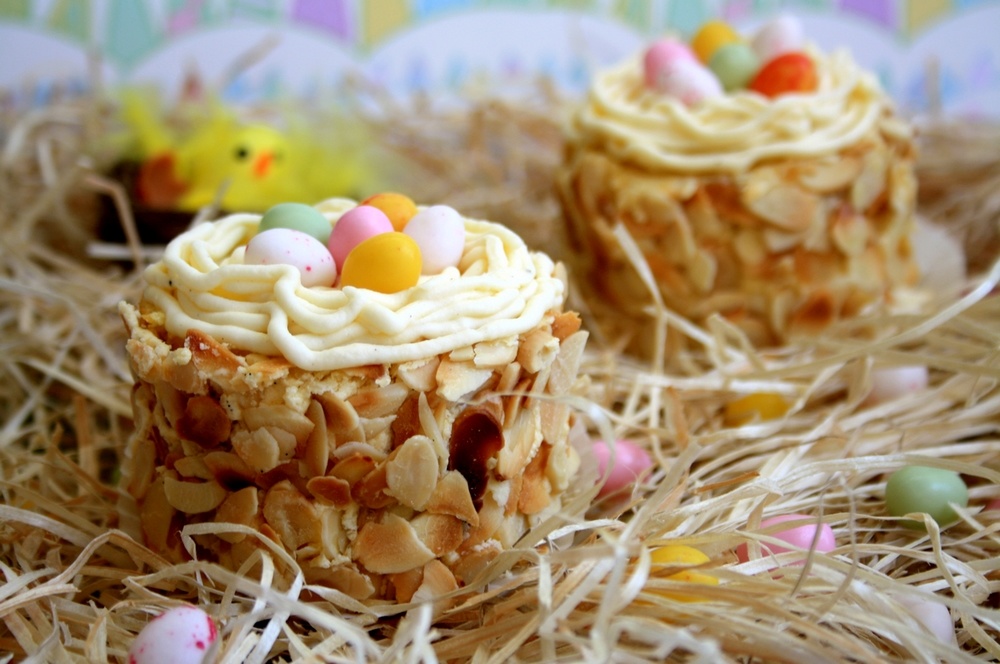
After the main meal, for desert, the French eat many chocolates, pastries and cakes. One traditional easter pastry are Petits Nids de Pâques, which are a decorative pastry version of birds nests made from almond cake, topped with thin ribbons of frosting, and then filled with chocolate eggs.
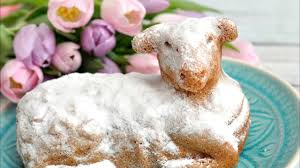
Special biscuits known as Osterlammele are eaten in the Alsace region of France for dessert. They are baked in a clay mould and are in the shape of a lamb sitting on the ground. The Osterlammele were traditionally given to children after the church service on Easter Monday. Bakers now sell them for easter and they are often decorated with ribbons and banners.
Easter In America
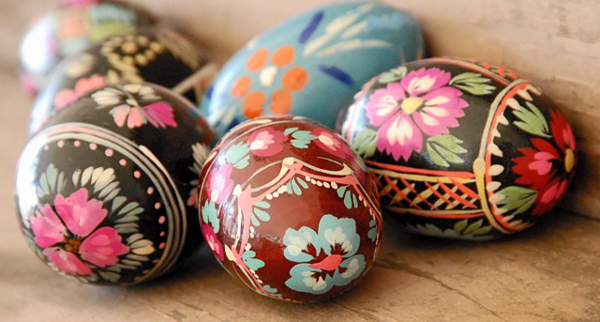
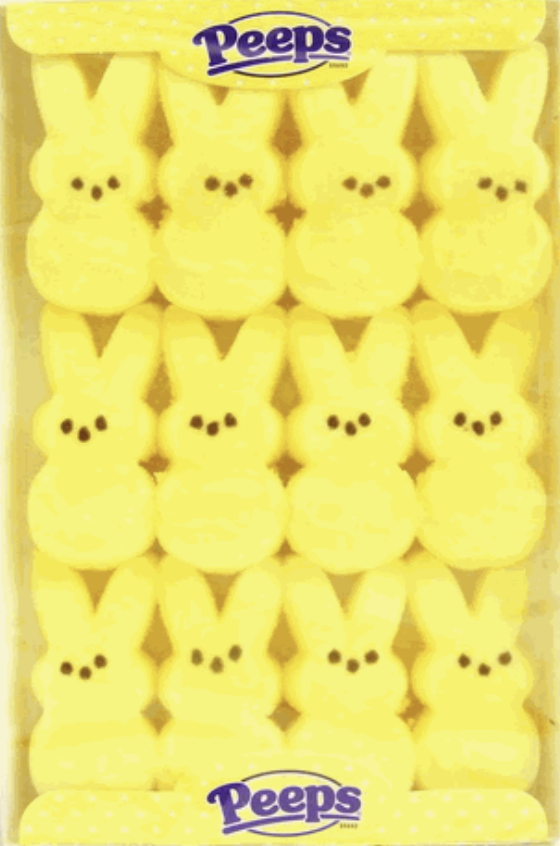 In America, Easter has become a more commercialized holiday. The pastel colors, painted eggs, and chocolate bunnies are all ways the the business world has increased their income in the Spring. “Easter rivals Halloween and Christmas for candy sales in the United States. Candies associated with the holiday include jelly beans, chocolate bunnies and eggs, and marshmallow Peeps” (“Easter”).
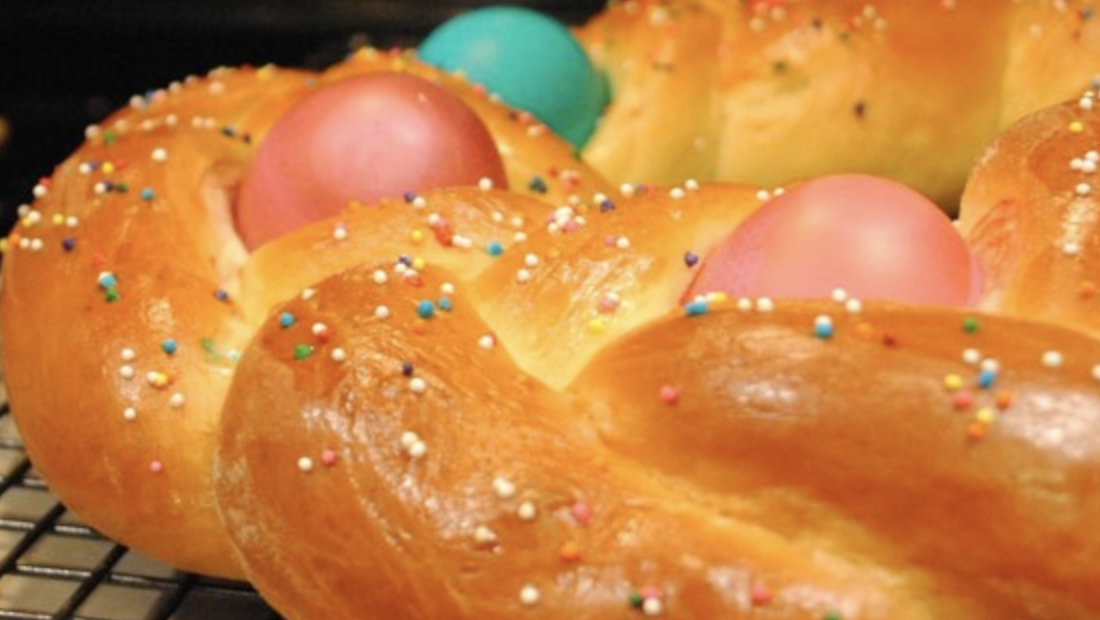 However, the Catholics in the United States use this day to celebrate Jesus Christ’s resurrection. The egg is used to symbolize rebirth and it is used to adorn a classic Catholic Easter food, braided bread. “The breads, braided or decorated or garnished with colored hard-boiled eggs, also have religious significance to some who bake them. Eggs are symbolic of the Resurrection of Christ, and in pre-Christian times, they symbolized the new life of spring and the rebirth of the Earth” (Jean Porter).
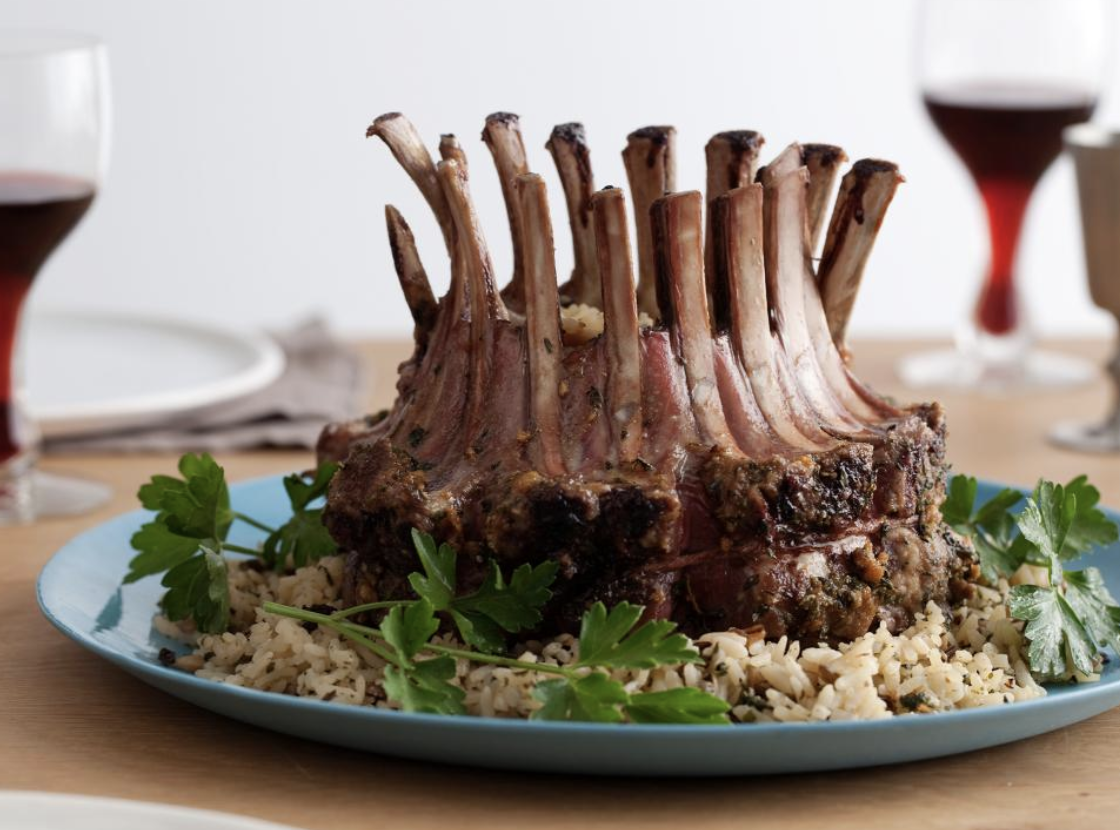 Americans tend to lead very busy lives and rarely are able to sit down with their families and enjoy a meal together. Easter is one of the few days of the year that many families get together and celebrate the holiday and “the importance of coming together around the table” (Bean). The main course for the Easter meal in the United States typically consists of ham or roast lamb. Earlier in time, ham was more typical because lamb was considered a luxury item that few could afford. Today, lamb is more available and more people have a taste for it (“Easter”).
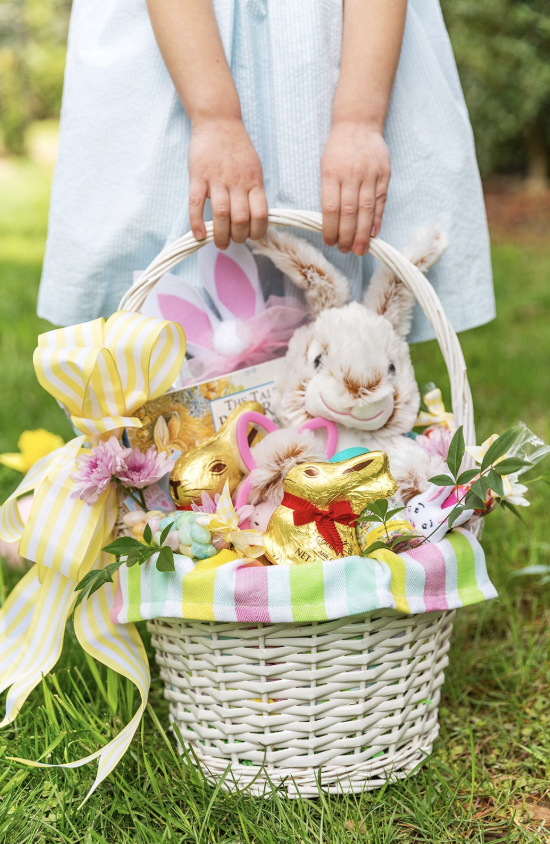 A very popular tradition for Easter in the United States is Easter baskets and egg hunts. Children will wake up on Easter morning and hunt around their homes and yards to find the eggs hidden by the Easter bunny, who is actually their parents. They also tend to receive an Easter basket that is filled with candy, chocolate and small gifts.
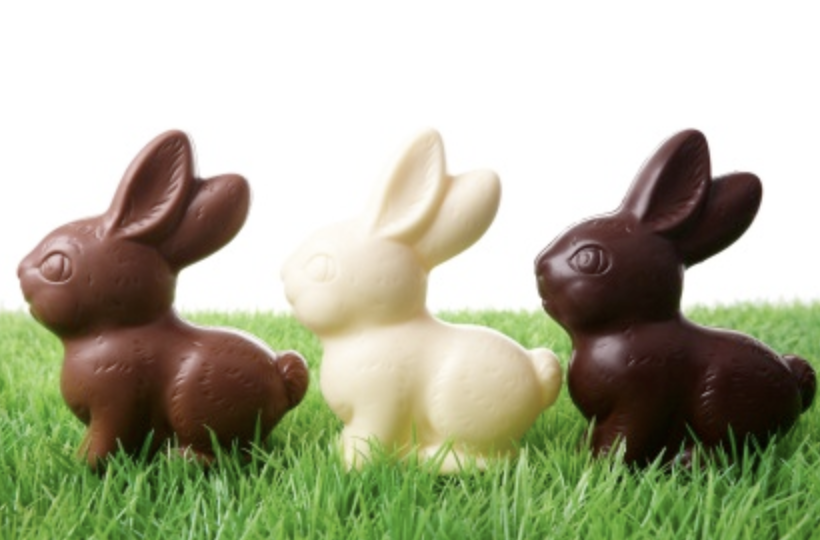 We get the tradition of chocolate bunnies from the Germans in the 1600s, Germans brought bunnies with them to America and they became a sign of spring and fertility. Several hundred years later, people began to mold the shape of a bunny into a delicious chocolate treat that was enjoyed at Easter, when we celebrate spring and rebirth (Reisner). Easter is a very fun holiday for young children and it is accompanied by several traditions.
French Christmas Meal
The French are notorious for their fancy dinner table settings, especially for Christmas dinner. It is not popular to go out for dinner on Christmas, so just like Americans, most of the French celebrate their Christmas meals at home. Not only will the table be set with delicate care, but the dishes will be carefully planned well in advance. The Christmas meal will always start with an appetizer as well as a glass of champagne. One popular appetizer is bite sized puff pastries filled with ham, cheese, or snails. Some others are raw oysters and smoked salmon. The most popular appetizer to have served at a Christmas meal is foie gras (liver of goose or duck) with a toast and fig.
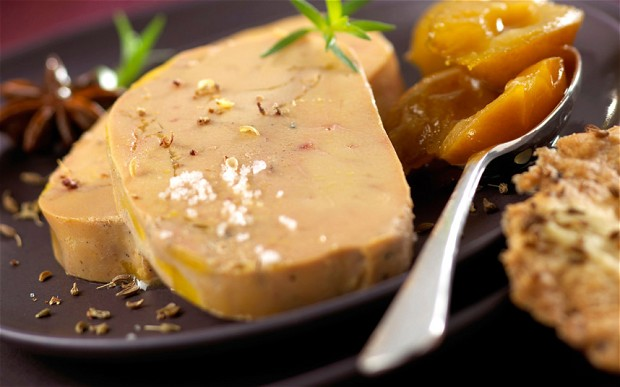

Next is the main dish. Depending on the home, there are a variety of popular options enjoyed on Christmas day. A roasted meat dish stuffed with chestnut and serves with mushrooms and other vegetables is popular, along with a side of red wine. A more expensive meal for the wealthy would include a large seafood platter with lobster, scallops, and caviar.


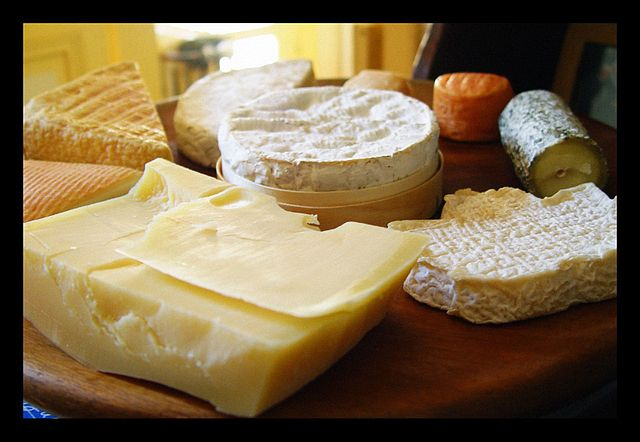
Following this main dish is the cheese platter. A french meal is not the same without the classic cheese platter, usually accompanied by a salad with homemade vinaigrette dressing. Of course, this cheese platter can be made up of any kind of cheese your family likes in particular since there are so many different cheeses in France, but the most popular to include are goat, sheep, and cow cheese. A glass of red wine is popular to enjoy along with the cheese.
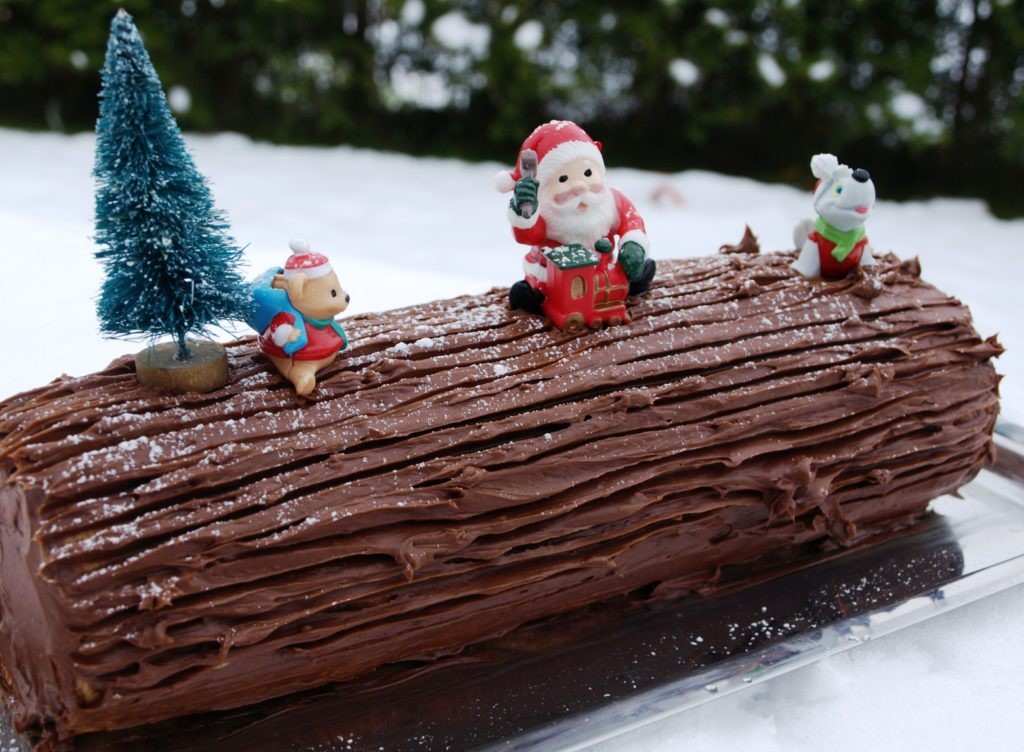
Lastly, the typical Christmas dessert is a yule log. Like it sounds, this desert is generally prepared and presented to look like a log, frosted on the inside and outside. The log is usually topped with figurines representing the season; santa claus and other christmas characters. The dessert is always enjoyed with yet another glass of champagne.
Christmas in America
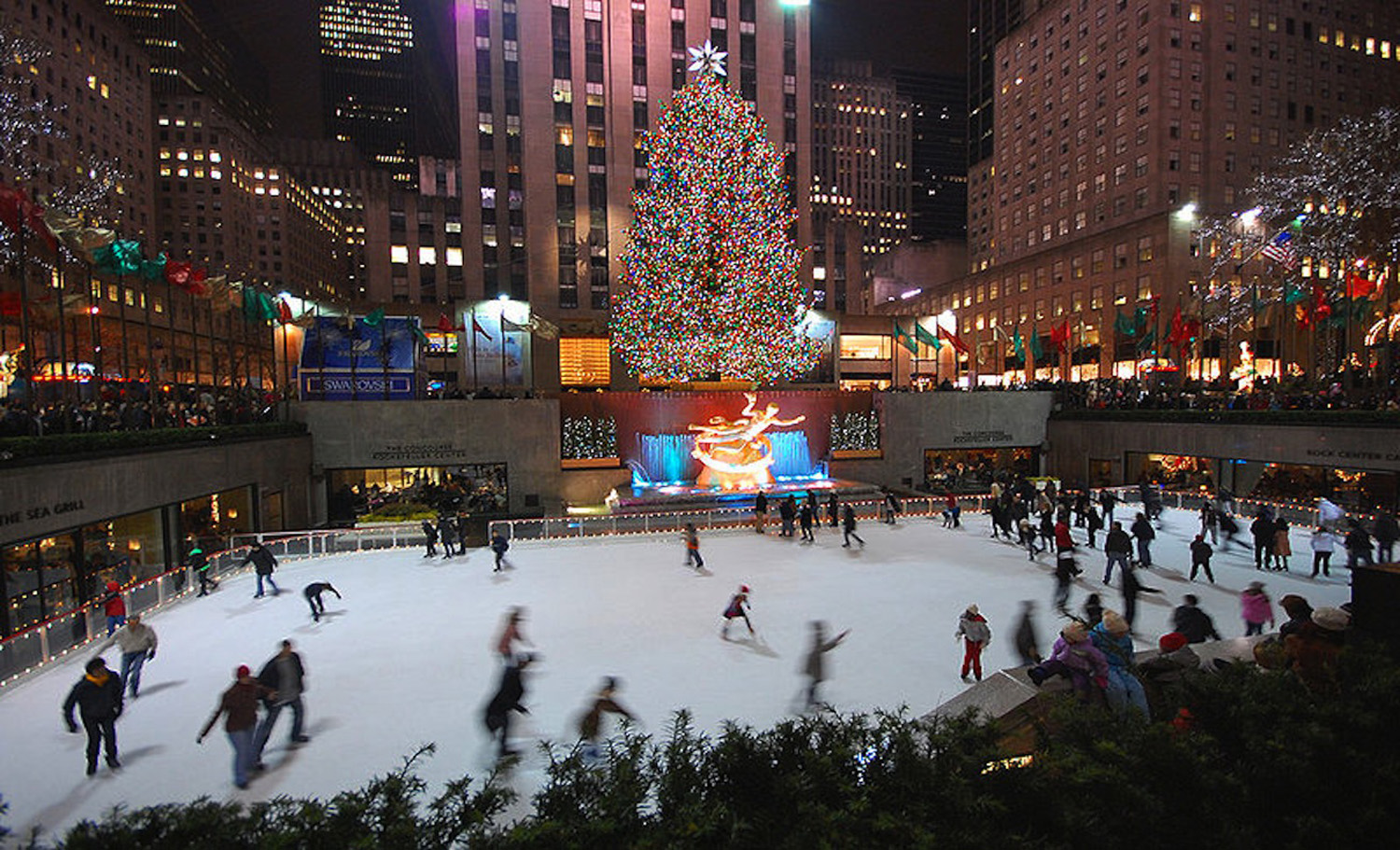
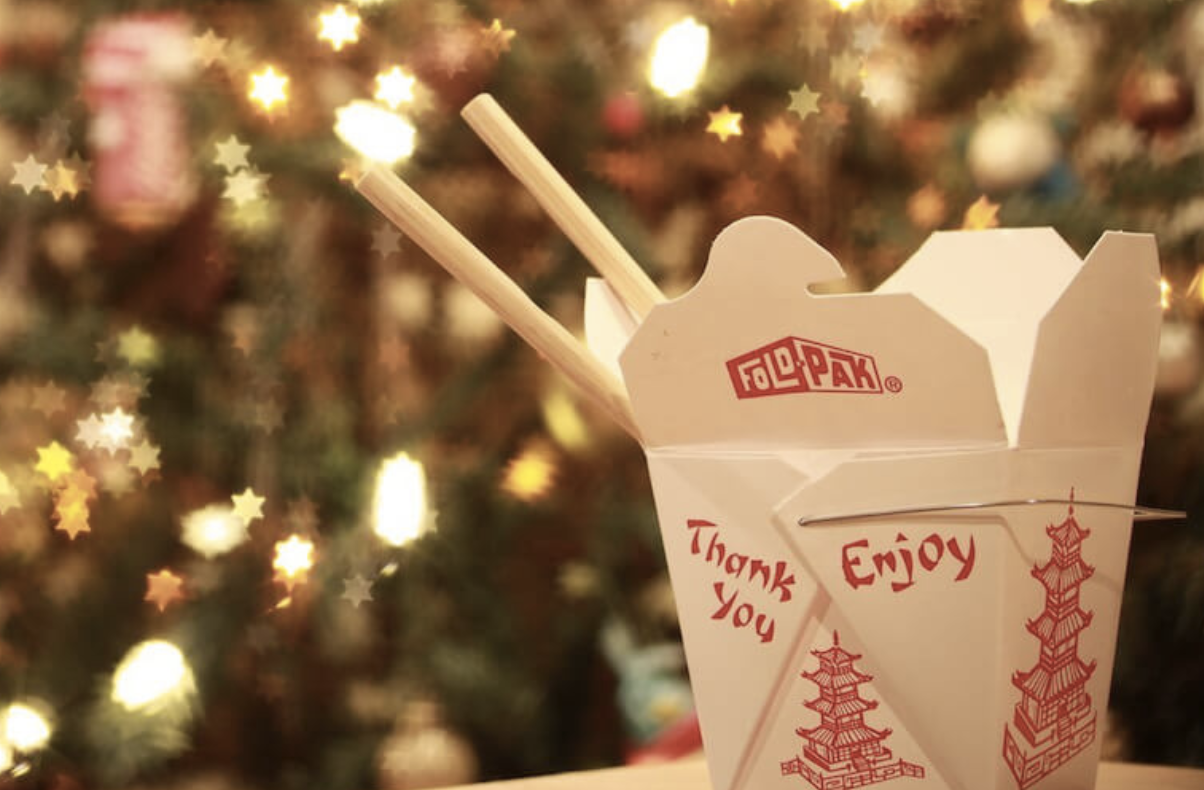
The United States and France both celebrate the Christmas holiday similarly and differently from each other. Families in the United States also celebrate Christmas differently from each other depending on their household traditions. It is both popular in the United States to stay in as well as to go out on Christmas eve. In New York City, It is popular for couples and families to go out to eat and eat Chinese food on Christmas eve. Chinese food has become a staple of several family’s holiday tradition due to it being one of the few restaurants open on Christmas eve and Christmas day. Leftover Chinese food is often eaten on Christmas day unless a more formal gathering is planned. Traditionally however, families in America do not have a formal gathering on both Christmas eve and Christmas day.
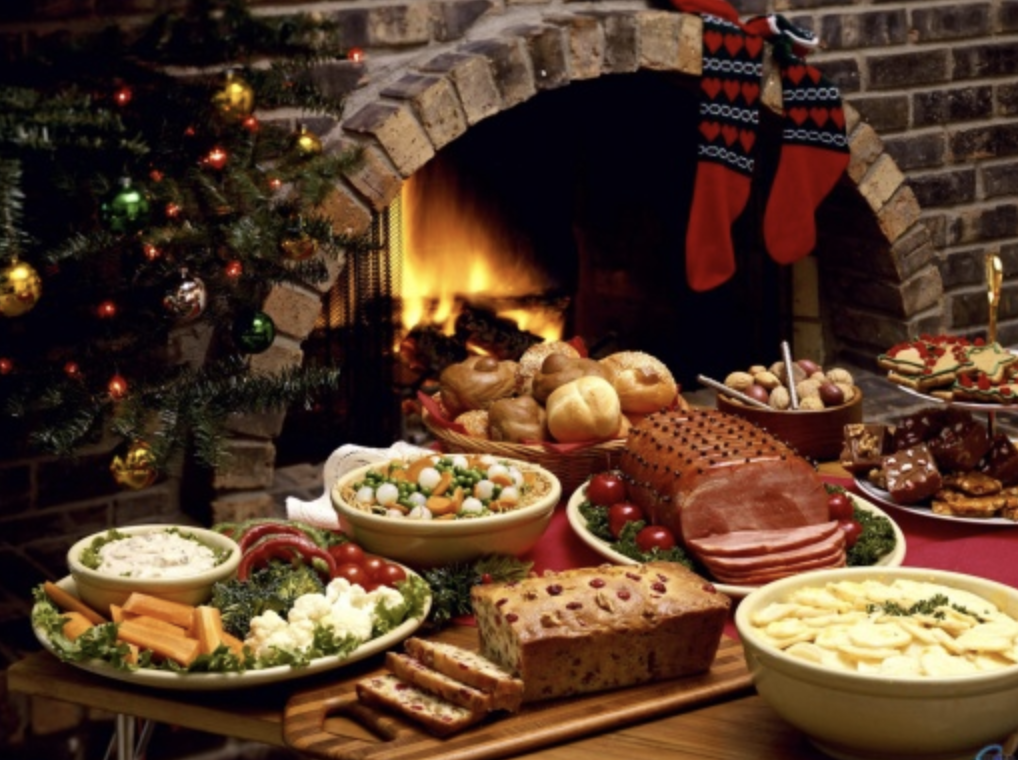
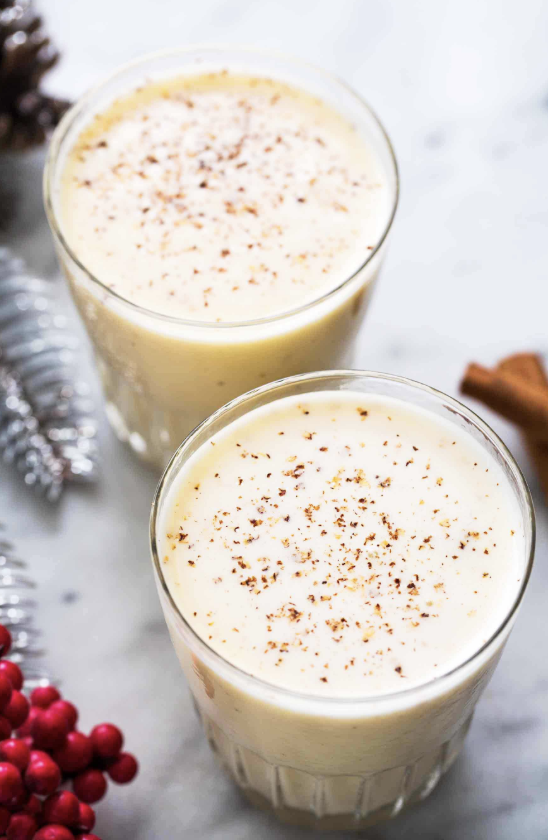
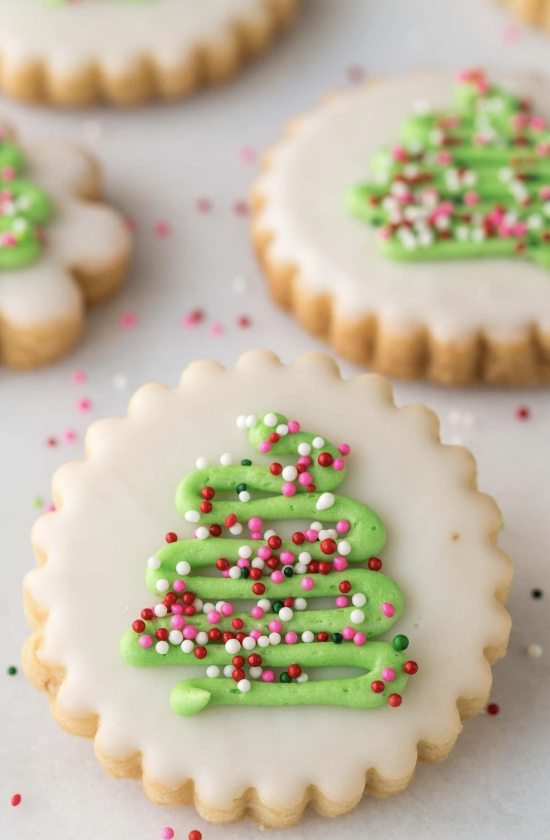
Families in the United States also stay in on Christmas eve eating similar foods to what you may see on an Easter or Thanksgiving table. The Christmas meal in the United States typically starts with either turkey, ham, chicken, or pork. Sides and appetizers are often Mashed potatoes, bread stuffing, as well as sweet and savory breads. Indulging on large amounts of food is often done on Christmas day. How the meal is presented varies depending on how the family prefers to celebrate the Christmas dinner. While some families in the United States host a formal evening dinner, other families keep it informal and set up dinner similar to a buffet. When hosting a Christmas eve or Christmas day dinner, most guests will bring a dessert as a way to say thank you for hosting. Guests will bring frozen cream puffs, dessert bark, egg-nog, or cookies as a way to say thank you. It is also tradition to decorate desserts to match the common Christmas colors and themes. Cookies, pies, and cakes are often shaped to look like gingerbread men, snowmen, and snowflakes. Desserts are painted with frosting in colors of green, red, silver and gold. Champaign is often toasted on Christmas eve and topped off with pomegranate juice to make the drink red.
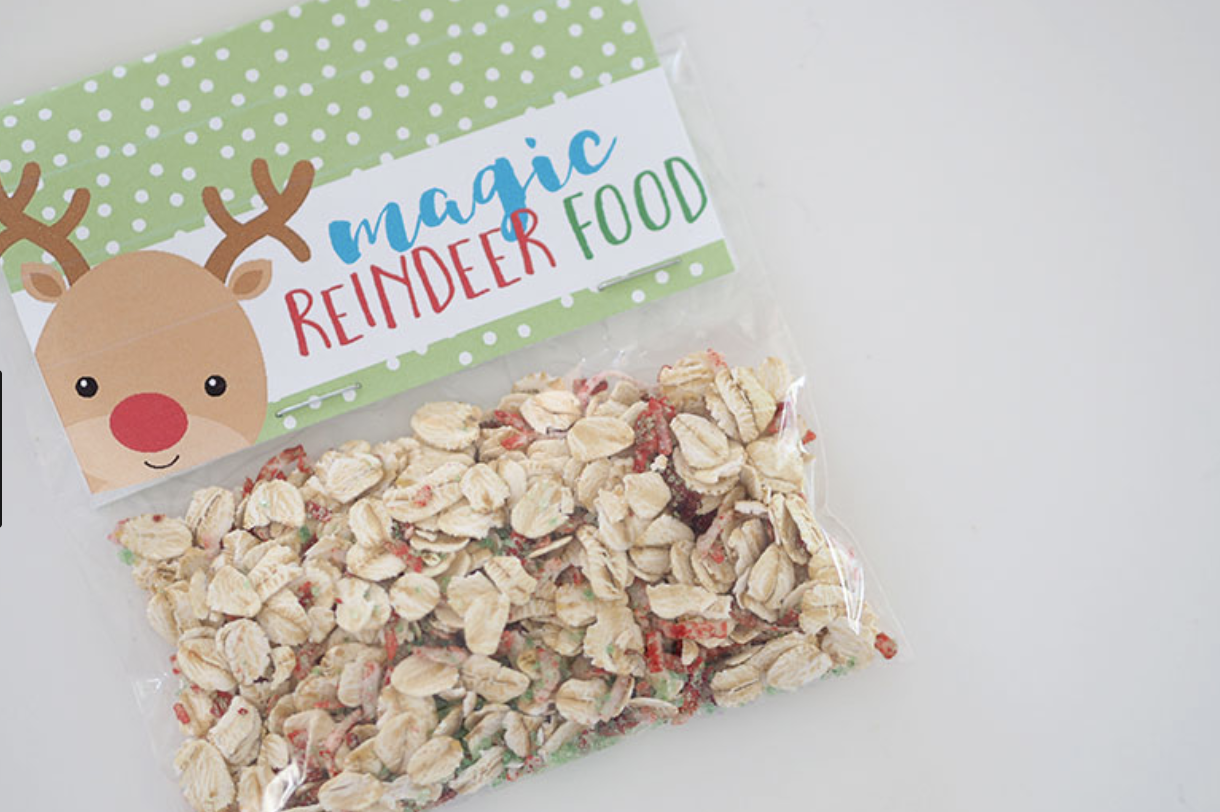
Kids on Christmas eve will often decorate holiday cookies and leave it out for Santa. This is done in tradition as a gesture of thanks to Saint Nick for bringing presents and toys to young children. Children will also string popcorn on string and stream it around the Christmas tree. Kids will also make granola and other dessert treats for reindeer. This is done with sprinkles, almonds, honey, and other sticky goodies.
The American Gastronomic Meal of Thanksgiving
 Thanksgiving has been one of America’s few traditions which originated in 1621 when the plymouth colonists and native indians shared an autumn harvest feast after the pilgrims sailed on the mayflower. The natives helped the pilgrims survive their first brutal year at plymouth rock by helping them gather resources and hunt food. It wasn’t until 1863 when Abraham Lincoln proclaimed thanksgiving as a national holiday held every November on the final Thursday of the month. This day symbolizes giving thanks and appreciating the blessings life has presented in one another’s lives.
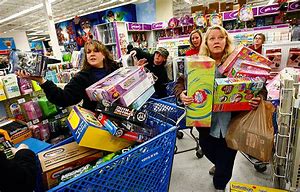
 During this holiday family members come together from all different parts of the country to spend time with one another. In the average american household 90 percent of americans eat a turkey. Other traditional foods are stuffing, mashed potatoes, cranberry sauce, and pumpkin pie. It’s very common that everyone invited to the Thanksgiving meal comes with a different dish to contribute to the table. This day is also notorious for families to volunteer their time in helping various communities by holding food drives or even hosting free dinners. Apart from the food aspect in america thanksgiving is notorious for black friday. The day following Thanksgiving retailers have extreme markdowns on their products to kick off the holiday shopping season. This tradition has now started as early as the night of thanksgiving which is beginning to take off time from families spending quality time together. The lines at famous retailers such as best busy and walmart have wrapped around the store and parking lot and some crowds even get violent for the best deal they can get their hands on.
Black friday has started to get a negative stigma from americans and other people across the globe due to its contrary concept of thanksgiving. Thanksgiving is about appreciating the life we have worked for and the people we are surrounded by and not worrying about the next purchase to make.
Conclusion
As you can see, a lot of holidays that France and America both celebrate are extremely commercialized in America. The French really tend to focus on simplicity and tradition in planning holidays and special events while in America, while we do still focus and keep strong to our traditions, but everybody tends to just do whatever they want regarding food. The French have a strong way of pairing 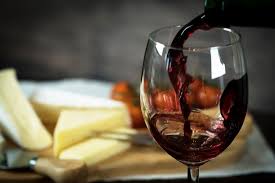 different types of wine with certain types of food and rarely have it out just to drink, while in America we tend to have wine and drinks whenever we feel. Overall, we found a difference between the French and American holidays by how strictly they follow traditions surrounding food at holidays. French people still follow traditions from the 1700s or earlier while Americans tend to base their food off of what the family prefers and overall just what they feel like having
Works Cited
“A History of Chocolate Bunnies.” Foodimentary, 30 Mar. 2012,
foodimentary.com/2012/04/03/a-history-of-chocolate-bunnies/.
“A Traditional French Christmas Dinner.” Discover France Magazine - Off the Beaten Path, 30
June 2016, blog.discoverfrance.com/a-traditional-french-christmas-dinner/.
Abraham, Lena. “The 4 Commandments To Cooking The Perfect Ham.” Delish, Delish, 18 Apr.
2019, www.delish.com/cooking/a22827100/how-to-cook-a-ham/.
All City Candy. “Peeps Yellow Marshmallow Bunnies 12 Pack.” All City Candy,
allcitycandy.com/products/peeps-yellow-marshmallow-bunnies-12-pack.
Andreamacleod. “Christmas Dinner.” Baking in Saskatoon, 29 Dec. 2011,
bakinginsaskatoon.com/2011/12/29/christmas-dinner/.
Bauer, Elise. “Traditional Eggnog Recipe {Vanilla & Nutmeg}.” Simply Recipes, 16 Dec. 2018,
www.simplyrecipes.com/recipes/eggnog/.
Bean, Dawille. “Cooking up Easter Joy.” Catholic Digest, vol. 79, no. 1, Mar. 2015, p. 6.
MasterFILE Premier, EBSCOhost,
unh.idm.oclc.org/login?url=http://search.ebscohost.com/login.aspx?direct=true&db=f5h&AN=109151597&s.... Accessed 18 Apr. 2019.
Chevalier-Karfis, Camille. “Truths and Myths Of The French Christmas Meal • French Today.”
French Today, 11 Dec. 2017,
www.frenchtoday.com/blog/french-food-wine/truths-myths-french-christmas-....
“Chinese Food for Christmas: A Jewish Tradition.” Edible East End, 19 Dec. 2018,
www.edibleeastend.com/2018/12/19/why-jews-eat-chinese-on-christmas/.
Coupe de mariage. Retrieved from https://www.objetsdhier.com/coupe-de-mariage-1455
Croquembouche - Traditional French wedding cake. (2019, January 02). Retrieved from
https://www.thegoodlifefrance.com/croquembouche-traditional-french-weddi...
“Easter.” Encyclopedia of American Studies, by Bronner Simon and Klapper-Lehman Sarah,
Johns Hopkins University Press, 2018. Edscrc,
unh.idm.oclc.org/login?url=https://search.ebscohost.com/login.aspx?direct=true&db=edscrc&AN=edscrc..... Accessed 18 Apr. 2019.
“Easter Lamb Recipes.” Food Com,
www.foodnetwork.com/holidays-and-parties/packages/easter/easter-lamb-rec....
“Free Image on Pixabay - Easter Eggs, Colorful.” Easter Eggs Colorful Natural Color - Free
Photo on Pixabay, pixabay.com/photos/easter-eggs-colorful-natural-color-3165483/.
Greenspan, D. (2017, May 26). A More Perfect Cream Puff. Retrieved from
https://www.nytimes.com/2017/05/26/magazine/a-more-perfect-cream-puff.html
Jean Porter, Mary. Pueblo Chieftain, The (CO). Pueblo Chieftain, The (CO), 2010, Pueblo
Chieftain, The (CO), unh.idm.oclc.org/login?url=http://search.ebscohost.com/login.aspx?direct=true&db=nfh&AN=2W620424878.... Accessed 18 Apr. 2019.
Limited, Alamy. “Stock Photo - Pastel Color Jelly Beans for Easter.” Alamy,
www.alamy.com/stock-photo-pastel-color-jelly-beans-for-easter-54791204.html.
Marbalet, et al. “Braided Easter Egg Bread Recipe.” Allrecipes, 15 Apr. 2006,
www.allrecipes.com/recipe/17244/braided-easter-egg-bread/.
Organisedhousewife. “HOW TO MAKE MAGIC REINDEER FOOD.” The Organised
Housewife, 13 Dec. 2016,
theorganisedhousewife.com.au/holiday-seasons/christmas/magic-reindeer-food/.
Parallelus. “Easter Bunny at the House of Z.” Carmel City Center RSS,
www.carmelcitycenter.com/pec-events/easter-bunny-house-z/.
Reisner, Abby. “The History of Chocolate Bunnies.” Tasting Table, Tasting Table, 24 Mar. 2016,
www.tastingtable.com/dine/national/chocolate-bunny-food-history-easter-candy.
Scheuer, Chris. “Christmas Shortbread Cookies.” The Café Sucre Farine, 23 Dec. 2018,
thecafesucrefarine.com/christmas-shortbread-cookies/.
“The Ultimate Easter Basket with Lindt.” Pizzazzerie, 18 Mar. 2019,
pizzazzerie.com/holidays/easter/the-ultimate-easter-basket/.