
Behind the Bottle: French Wine in the US Market
Behind the bottle:French Wine in the US Market
History of Wine
Talia Antman
Wine has become a very important part of today’s culture and in order to understand why it has greatly impacted French and American culture one must understand where it began. The first glass of wine can be traced all the way back to about 7000 B.C, during the Neolithic period, and the first recordings date back to 4000 B.C in Ancient Egypt (Charters, 2006). Vinifera Cultivars in existence today are centuries old and have been brought about by many techniques, methods, practices, and through nature’s Darwinism. Since the 1800s, this ancient vine has been controlled and evolved. Through spontaneous crosses between wild vines, selective breeding known as cultivar, and domestication of wild vines this wine has evolved into various types. Historically, wine cultivars associated with a specific region share similarities with their structure and form. The wine market today is still greatly affected by the origins of wine in France (Bowers, Boursiquot, This & etc., 1999)
During 6th century B.C, the ancient Romans were mainly responsible for planting vineyards throughout ancient France even though they were cultivating two centuries before their conquest. (Morais, 2017). Wine quickly became a highly chosen beverage because it was safer to drink than water since it kills bacteria, used in religious ceremonies, and in ancient medicine.
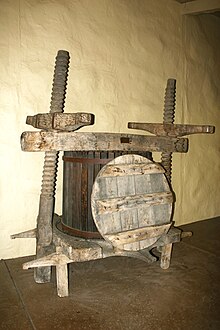 Fast forward to the 13th, 14th, 15th, and 16th century, Wine started making its way to the New World (Mills & Wharton Group, 1997). During the 13th century, wines of Bordeaux were being shipped to England where conquerors would then bring it on their conquests. By 1619, the growth of the vine Vitis Vinifera from France make it to America, the Virginia Company (Kale, 2019 ). The 16th and 17th century, most vineyard properties were owned by the Catholic Church and wine traders were mostly Dutch (Morais, 2017). In the mid nineteenth century the wine industry in France endured a natural disaster. A disease called Phylloxer, a result of phylloxera pest, caused destruction to vineyards all over France. Phylloxera can be found in North America. During the mid 1800s, the disease made its way to Europe when botanist collected specimens of America vines (Pinney, 1989). Another big event happen during the 1900th century. In 1936, the appellation controlée, quality control law, came into effect. This legislation allows only wine made from grapes grown in the Champagne region be called champagne, other wine regions applied to this law as well (VinePair, 2014).
There are different wine regions in France and they all endure different environments. The weather, climate, winds, moisture, soil, and ways of farming vary from area to area and vineyard to vineyard. Each vineyard and region has a complex and long history, thxey all come together to make the complete history of wine. Different flavors, quality, and types also depend on these factors. Furthermore, it also depends on the type of vine and grape. The places are now known as Alsace, Bordeaux, Burgundy, Champagne, Languedoc, Loire Valley, Provence, and Rhône (Morais, 2017).
French Wine in the US Market
Julian Gale
France’s largest export is aerospace technology, exporting 51 billion dollars’ worth of aviation technology. France is home to giants like the airplane manufacturer Airbus. France’s second largest export is in wine. In 2018 France exported 14.7 billion dollars’ worth of wine. It’s largest consumers are the US and China. Since French wine is a generally considered a luxury product and status symbol the demand for wine varies greatly depending on the economy. China’s slowing economy of the past 6 months has led to a decrease in demand, while the demand in the US continues to rise.[1]
Why is French wine so popular in the US? The issue of quality when comparing wines is, of course, very subjective. It is very hard and rather meaningless to draw sweeping distinctions between the quality of French wine versus the quality of American wine. One thing to note is that while US wine is sold based on the type of grape, French wine is sold based on the region it was produced in. Most US wines and French wines uses the same grape verities, the difference in flavor comes from the method of manufacture and the growing conditions. This is where terroir becomes so important to the identity of French wines. The idea that the earth and imparts a specific character and flavor to the wine is not exclusive to France, but the French make the most of its implications, hence the identification of the wine with the location and not the grape variety. The idea of terroir and the prestige associated with French wine is what makes it so appealing to Americans.
 France exports about a third, by volume, of all of the wine it produces. A quarter of the wine it exports goes to the US.[2]Therefore roughly one in 12 wine grapes produced in France ends up in the glass of an American. In 2016 France produced roughly 4.8 billion liters of wine.[3]And the US consumes 400 million liters of French wine annually. The outdoor pool at UNH holds 1.8 million liters of water, so the US consumes the equivalent of the UNH outdoor pool in wine every 40 hours. Somewhere an American polishes off a bottle of French wine every 11 seconds.
The most popular category of wine in the US has always been and continues to be Red, while the fastest growing category of wine is Rosé. France produces 51% of the rosé sold in the US.[4]
An Interview with Maison Navarre
Shaelyn Frost
We visited La Maison Navarre in Portsmouth New Hampshire and met with Victor Navarre, one of the co-owners, to speak a little about how they honor the authentic tradion of French Wine in their Wine bar and Bakery. (link)
Victor Navarre told us that he and Charlotte (the other co-owner) choose to supply only affordable french wines in their Wine Bar, in an effort to bring authentic french wine into a more accessable place for everyday americans. He showed us that french wine doesn't necessarily need to be expensive to be "goûteux", and that you can experience a high quality French wine for as little as $20!
Côte des Roses
Simfora Bangasimbo
Region- The Côte des Roses is a wine that celebrates the Mediterranean lifestyle. It is one of the wines that is sold from the Gerald Bertrand winery; Côte des roses is also the name of the coastal area near the village of Gruissan and is known for making great Roses and home to the most diverse array of grape varieties in the world. This Languedoc appellation stretches along the Mediterranean coast from the Spanish border as far as the City of Nimes, along the foothills of the Montagne Noire and the Cevennes. The region has highly varied soil (mainly hard limestone and schist) and a warm and windy climate which helps the grapes grow and ripen in good, healthy conditions.
Makeup-The Cote des Roses is made from three different grapes: the Grenache, Cinsault, and the Syrah. The Grenache is ideal for rose because it matures easily and quickly, has vibrant aromantics, yet keeps its zesty acidity for food. The Syrah has dark fruit flavors from sweet blueberry to savory black olives. When you taste Syrah, you’re hit with multiple flavors that taper off and then leaves a spicy peppery note in the aftertaste. Cinsaut delivers floral and ripe strawberry notes as well as hints of dried fruit. The late ripening grape, due to its natural, low level of tannin and acidity, coupled with the strong aromatic quality is often used in the production of Roses.
Robe, Nose, and Taste-"A soft, pale, brilliant pink with bluish tints developing over time towards more orangey nuances. The bouquet releases aromas of summer fruits, cassis, and red currant. Floral notes of rose along with hints of grapefruit complete the picture. The finish is fresh, offering notes of candy."- Gérard Bertrand
 Food Pairings-
- Mildly spicy food, antipasti, and fish will all pair up nicely with this rosé.
- Seafood: planked salmon, seared tuna, shellfish
- Brunch: salmon benedict, strawberry topped waffles, pancakes, chicken salad with French baguet
Gérard Bertrand
Alison Pelletier
A popular French wine brand that has infiltrated the American market is called Gérard Bertrand. Notably, the brand’s rosé (Cote des Roses), has become immensely popular in the United States, but other varieties are popular amongst American consumers also. Owner, Gérard Bertrand, joined in his first wine harvest in the year 1975, and has since created an empire that has continued to grow and flourish with each passing year. Today, the brand is comprised of fifteen estates, and produces red, white, and sparkling wines – all from exemplary terroirs of the Languedoc region. The brand wishes to express their lust for life, and share a bit of the Mediterranean lifestyle with the rest of the world.
 The emblem of the brand is the Visigoth cross, and represents its multi-faceted nature. The dove and chalice depicted on the insignia represent immortality. For Gérard Bertrand, these symbolize sharing. The cross is representative of the four cardinal points, and is the focal point of the emblem. Finally, the alpha and omega represent both beginning and end, as well as the cycle of time and nature. As the figurehead of the brand, the Visigoth cross is an accurate representation of Gérard Bertrand’s four core values: excellence, innovation, nature, and conviviality.
To elaborate more on the values, the brand wholeheartedly believes in, it is important to first draw attention to Gérard Bertrand’s dedication to nature and its preservation. The brand employs a strategy called biodynamic farming. The brand switched to this farming technique in 2002, and all estates currently employ these methods. Biodynamic farming is essentially organic farming – it protects the environment, ensures a healthy vineyard, and lends itself to an exceptional wine quality. Gérard Bertrand said, “preserving the environment durably, restoring harmony, maintaining ecosystems, putting the emphasis on the skill of our winemakers, reaching out to new generations… these are the challenges we face today, and the obligations we will be faced with tomorrow.” The brand also works to reduce carbon emissions and address the impacts of greenhouse gases on the environment. The brand partners with the GoodPlanet Foundation and their “10,000 trees objective” in the Languedoc region.
Aside from their commitment to nature, the brand also highly values excellence, innovation, and conviviality. In terms of excellence, all of the Gérard Bertrand staff are highly dedicated to achieving a product that surpasses expectations. The team understands each stage of the winemaking process. Although winemaking can be considered tedious to some, the brand appears to believe that greatness lies in the many details. Innovation, which is equally important to the brand, is evident in their product as well as their practices. Their wine is widely recognized for their exquisitely designed bottles, which are not only eye-catching, but are true works of art. It is Bertrand’s mission to create a product which serves the needs of a very diverse market – a mission they successfully complete. Finally, conviviality is essential to this team. For this brand, being together and celebrating life with great wine is what it’s all about.
Wine and Glyphosates
Kate Landry
One big problem that French Wine-makers deal with today is the struggle to go back to the organic roots that French wines gained their reputation from. This means ditching the herbicides, and going back to using chemical free soil to grow their crops on. For many French, who are passionate with keeping tradition alive, they believe that we should keep wine-making the same as it’s always been.
The herbicide Glyphosate is a synthetic herbicide that helps protect the plants used to make wine. Although this weed killer does help with decreasing the amount of time a winegrower must put into their vineyard every year, there is no doubt that it is dangerous, and doesn’t respect the years of herbicide free agriculture that this countries wine reputation was founded upon. Wine-growers and wine consumers must decide what is important to them, quicker produced, cheaper wine? Or wine grown with more effort and care that is safer to drink, but may be more expensive due to more extensive labor and resources. There are certainly pros and cons to both, but in respect to traditional French wine growing, only one answer remains the best option.
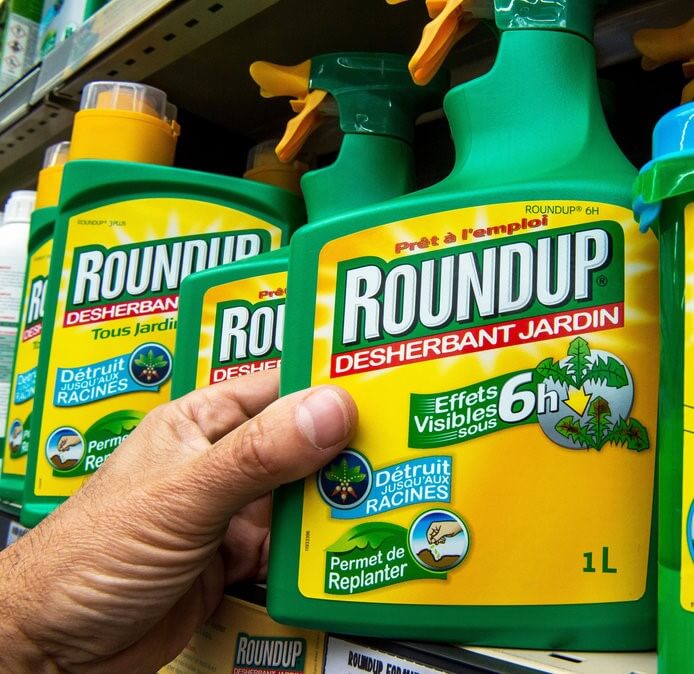 This chemical Glyphosate, has been deemed potentially carcinogenic by the World Health Organization who say it may cause cancer if heavily exposed to it. It not only effects the wine-grower’s health who are exposed to it in large amounts, but has also been found in small traces in exported wine bottles. This chemical, while no doubt says farmers a lot of time and sometimes money, is harming the health of both the producers and consumers, making it a foolish solution. France’s push to go back to their roots is an essential solution to the improvement of people’s health, and people’s respect for French tradition and culture so they can truly appreciate the time and effort that goes into the amazing French wines that so many of us enjoy every day.
Cheers!
Works Cited
“The Best Food to Pair With Rosé Wine.” Crushed, 6 May 2016, crushed.com/the-best-food-to-pair-with-rose-wine-all-of-the-food-and-all-the-rose/.
Beyond glyphosate: French vineyards shift away from controversial weed killer. (2019, February 26). Retrieved from https://www.france24.com/en/20190226-france-paris-agriculture-fair-beyon...
Bowers, John, et al. Historical Genetics: The Parentage of Chardonnay, Gamay, and Other Wine Grapes of Northeastern France. Washington, D.C: American Association for the Advancement of Science, 1999.
Charters, Steve. Wine & Society. New York: Butterworth-Heinemann, 2006.
“Cinsault Wine Grapes, Flavor, Character History Wine Food Pairing Tips.” The Wine Cellar Insider, www.thewinecellarinsider.com/wine-topics/wine-educational-questions/grap....
“Cinsault Wine Grapes, Flavor, Character History Wine Food Pairing Tips.” The Wine Cellar Insider, www.thewinecellarinsider.com/wine-topics/wine-educational-questions/grap....
“Cote Des Roses.” Cote Des Roses Rosé, www.gerard-bertrand.com/en/wines/cote-des-roses-rose.
Denis, Pascale, and Sybille de La Hamaide. “French Wine and Spirits Exports Shrug off Weak China to Hit Record...” Edited by Catherine Evans, Reuters, Thomson Reuters, 13 Feb. 2019, www.reuters.com/article/us-france-wine/french-wine-and-spirits-exports-s....
Gérard Bertrand. (n.d.). Retrieved from https://www.gerard-bertrand.com/en
“Gérard Bertrand Côte Des Roses Rosé 2014 Expert Wine Review: Natalie MacLean.” Gérard Bertrand Côte Des Roses Rosé 2014 Expert Wine Review: Natalie MacLean, www.nataliemaclean.com/wine-reviews/gerard-bertrand-cte-des-roses-rose-2....
Kale. The History of Wine in the United States. 2019. March 2019. <http://sedimentality.com/wine-history/the-history-of-wine-in-the-united-....
Maybe•yes•no. “Gerard Bertrand 2017 Côte Des Roses Rosé.” MAYBE.YES.NO | Best Product Reviews on - Sleep, Fitness, Wine, Food, Travel, Tech Gear, MAYBE.YES.NO | Best Product Reviews on - Sleep, Fitness, Wine, Food, Travel, Tech Gear, 19 Apr. 2018, www.maybeyesno.com/articles/gerard-bertrand-2016-cote-des-roses-rose.
“Menu.” Firehouse Wine Bar & Shop, firehousewinebar.com/?p=1358.
Mills, Ian C. History of French Wine. 1997. March 2019.
Morais, Rodolfo. Grapes & Grains. 2 June 2017. March 2019.
Pinney, Thomas. A History of Wine in America. Los Angeles: University of California Press, 1989.
“The Secrets to Syrah Wine.” Wine Folly, 27 June 2018, winefolly.com/review/the-secrets-to-syrah-wine/.
VinePair. Wine Travels to the New World. 2014. March 2019.
[1]French wine and spirits exports shrug off weak China to hit record... (2019, February 13). Retrieved from https://www.reuters.com/article/us-france-wine/french-wine-and-spirits-e...
[2]Ibid
[3]Wine: Production volume France 2006-2016 | Statistic. (n.d.). Retrieved from https://www.statista.com/statistics/747272/official-wine-production-france/
[4]Lizthach, W. (2018, September 08). Overview of the US Wine Industry in 2018: Stable Growth Forecasted – Based on 2017 Stats. Retrieved from https://lizthachmw.com/2018/01/31/overview-of-the-us-wine-industry-in-20...