
Introduction
There are numerous controversial foods in both the United States and France. Foods can be ethically controversial for many reasons whether this is concerning production, laws, history behind the food, or sales. While there are many ethically controversial foods, the three that are chosen for discussion are foie gras, horsemeat, and ortolan.
The objectives of this project are to discuss three foods that can be viewed as ethically controversial; foie gras, ortolan, and horsemeat. We will provide the history and laws, explain how they are produced and why it is deemed controversial. As well, the American versus French perspective of the food.
Foie Gras:
Foie gras is defined by Oxford Dictionary as “the liver of a specially fattened goose or duck prepared as food”.
Production:
The production of foie gras starts with the ducks being brought to the slaughterhouses, placed in small wire cages, cramped with numerous other ducks. Once the ducks are put in the cages, workers grab them by the neck and a large metal pipe is put down their throat. About 2.2 lbs of grains and fats are force fed to the duck, stuffing their stomachs. This process is called “gavage”, and is done two times a day to each duck. The effects of gavage on the ducks body is that the liver swells ten times its normal size. Due to the abnormal size of the duck, they have trouble standing for days on wire. These cages are also very unsanitary, making foot infections very common which can be fatal to many of the ducks before they are slaughtered. Other health problems include damaged esophagus from the metal pipe, fungal infections from unsanitary conditions, lesions, and fractures to the sternum from the stomach expanding past normal capacity. Only males are used in this process because of their larger mass, resulting in the female ducks at the slaughterhouses being tossed into a meat grinder.
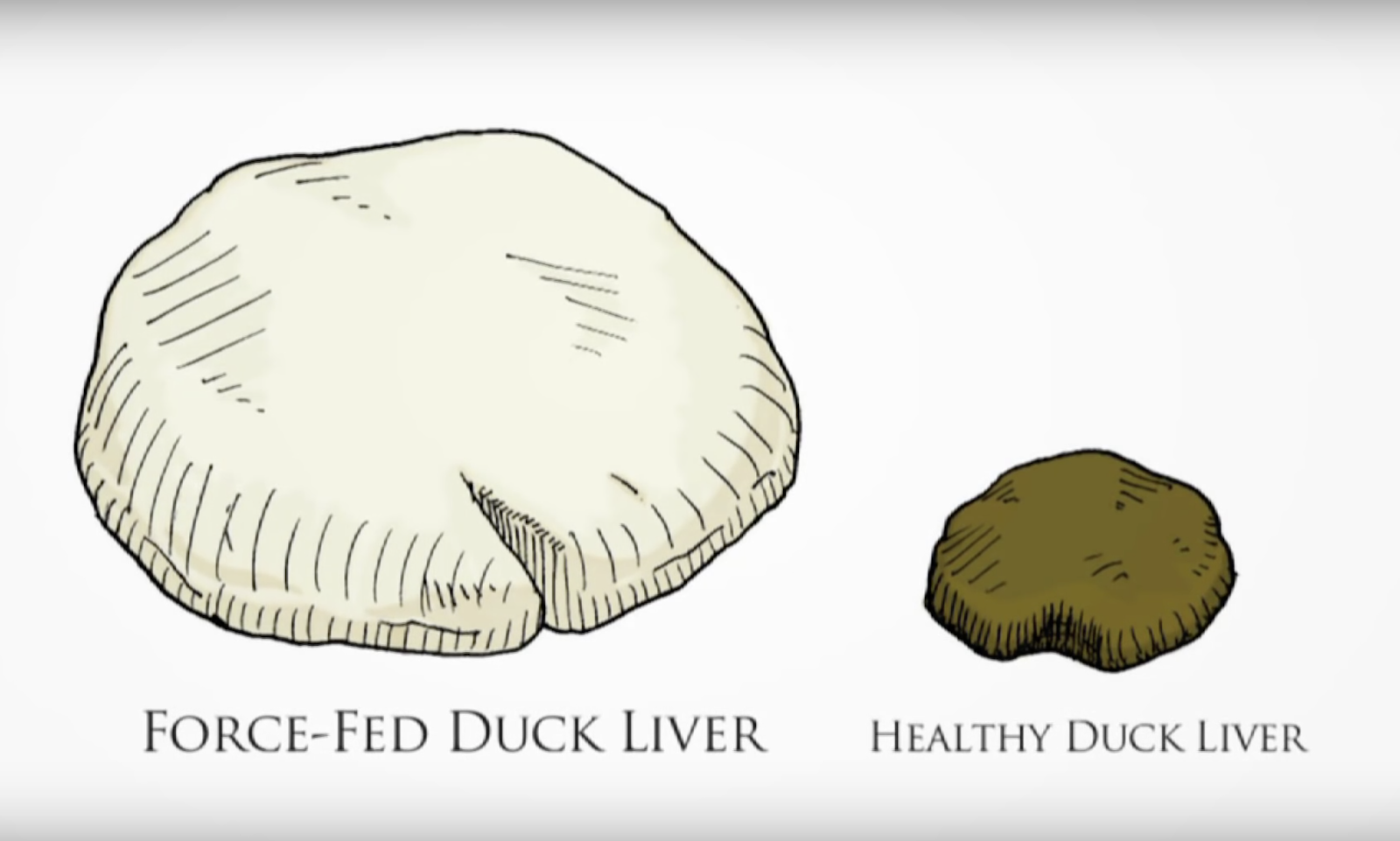
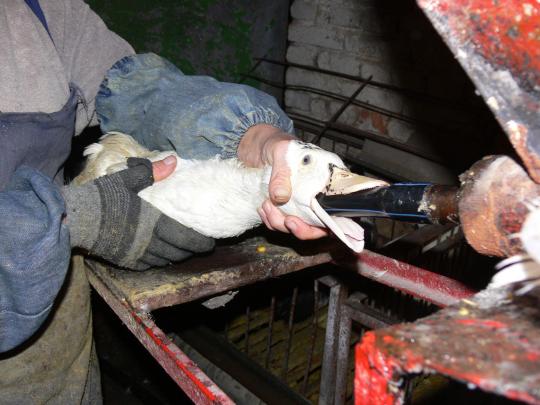
The video below is produced by Peta called, People for the Ethical Treatment of Animals, showing the gruesome process of force feeding ducks and the conditions they live in moments before their death. https://youtu.be/DyOu-GVtgPQ
Here is another video showing the gavage process. https://youtu.be/lh6ZDusOGwUhttps://youtu.be/lh6ZDusOGwU
History:
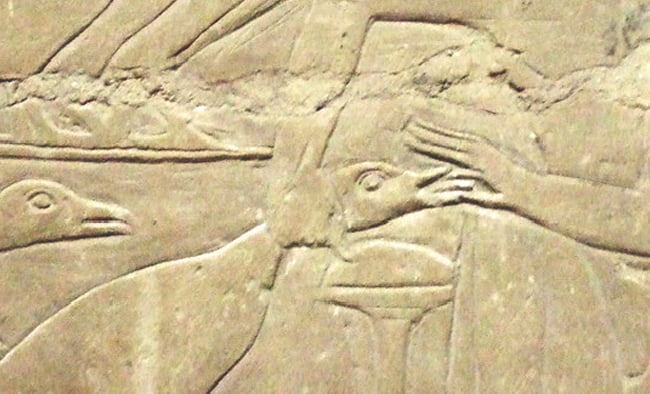
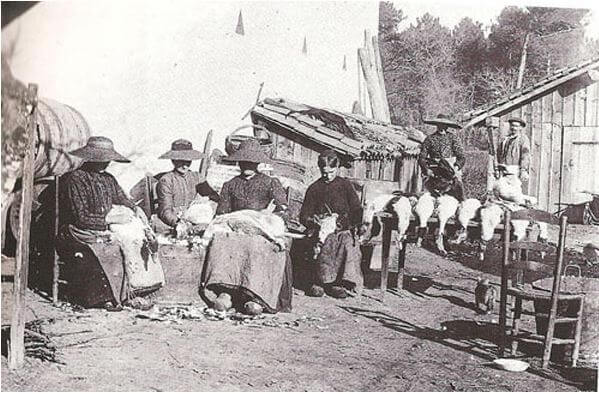
The production of foie gras was first realized over 4,000 years ago when the Egyptians learned that if they force fed geese they could mimic the livers of the geese that were migrating. Then after the fall of the Western Roman Empire, the practice of making foie gras was kept spread and further adapted by the Jewish aristocrats in Palestine. By the 16th century the foie gras practice was spread all throughout France and introduced into their cookbooks. Foie gras didn’t gain popularity throughout all of Europe until the 17th century when European chefs worked to popularize its production. Foie gras began to be valued highly in Europe. In 1788 the governor of Alsace was able to trade foie gras for real estate in Picardy from King Louis XVI. Late in the 19th century the United States brought the practice of producing foie gras back to America from Europe.
Laws and Regulations:
The laws regarding foie gras in the United States vary depending on the state. Chicago, Illinois does not allow the production or sale of foie gras, however other states such as California do allow the production and sale in restaurants of foie gras. In the past few years this changed, as California used to have a law against foie gras production. The geese farmers that sold the fattened livers to make foie gras, fought against the government saying that it was an unconstitutional law, it was causing economic instability for the farmers and the law itself was faulty. They thought that if the other parts of the force fed geese could be sold then there was no reason for why the livers couldn’t be sold as well, as the law was only banning the sale of the livers to be produced into foie gras. After a two year debate, the farmers finally got the law reversed and now foie gras production and sale is legal in California. In France foie gras production is legal and is considered a cultural tradition.

Ethical Views:
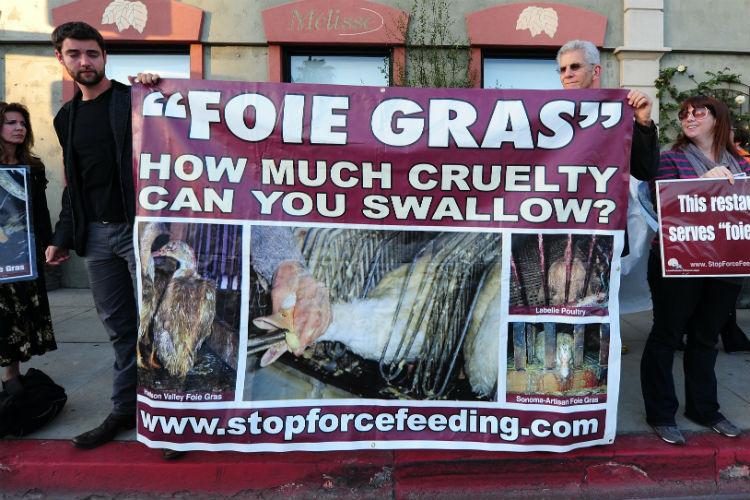 In France, 71% of people don’t feel morally opposed to buying foie gras and 55% of people disagreed with the ban of force feeding. Overall, the majority of the French population disagrees with a ban on foie gras and continue to eat it even though they’re completely aware of how its made and many agree that it’s unethical. They justify eating it because it’s a part of their history and culture, and because it’s delicious, and it’s clear that this tradition will carry on into future years before likely because it’s expensive, unappealing to many, and not a part of our history, while in France it’s a part of their culture, even employing upwards of 100,000 people.
 Bryan is an American who recently returned to the United States after living in France for two years. When asked about foie gras, he told us, "I've had foie gras on multiple occasions, mostly around Christmas and New Years. Personally, I don't think it's the best tasting thing in the world but it's not bad. Definitely not a big fan of how it's made though, albeit I've never met an American that is much of a fan. The French don't seem to mind too much, but younger people don't tend to always like the taste anyways, but that depends."
Foie Gras vs Pate:
Pate and foie gras share similarities in the sense that they are both made from liver but as an end product, they are completely separate dishes. Foie gras translates to "fat liver", making it a fitting name considering the process in which its made. Geese and ducks are fed a little more each day than they were the day before and continue to be overfed until their liver drastically increases in size. The dish itself is simply the enlarged liver whereas pate takes fresh bird livers which are turned into a meat spread. Nothing is done to these birds before their slaughter in terms of trying to enlarge the liver. Connective tissue is trimmed off the liver before being mixed with wine then the mixture is pureed with a food processor to produce the pate.
Alternative Production Strategies:
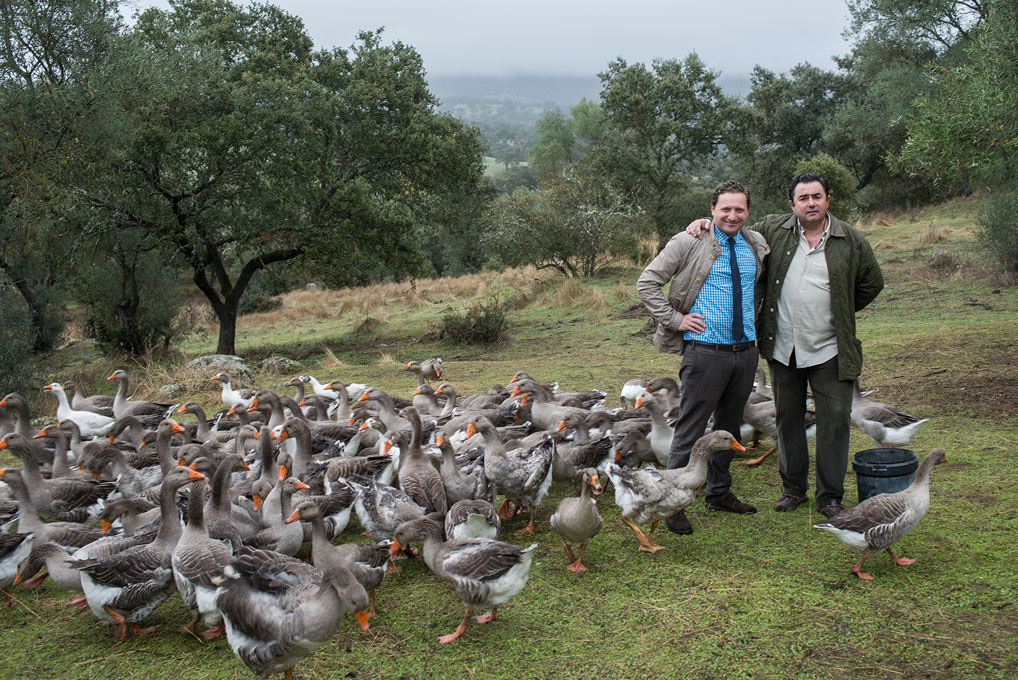 How these animals are treated is terrible, so the question arose if there were any more acceptable alternatives to making foie gras. As a result, we found an example in one farm in Spain run by Eduardo Sousa. He catches the ducks on their yearly migration from the north towards Africa. The climate in Spain is comfortable all year round so some ducks choose to stay. As well, instead of force feeding them and keeping them in cages, he ensures that they have more than enough food so that they want to stay. The product itself is more expensive than the already pricey foie gras, however, many say that it tastes no different than the mass produced product and many prefer to eat it because it takes animal rights into account. In France there are a lot of farms like this to produce foie gras because the French value highly the terroir of their food. The mass foie gras production is mainly found in the United States.
Additonal Sources and Readings:
An article discussing the French view of Foie Gras:
www.thelocal.fr/20131210/are-the-french-finding-foie-gras-hard-to-swallow.
A documentary produced by Muchies that discusses the politics of food, mainly foie gras:
https://www.youtube.com/watch?v=JjQWwhxz5rQ
A recipe for Pâté:
https://search-proquest-com.libproxy.unh.edu/docview/1491737621?accounti...
Horsemeat:
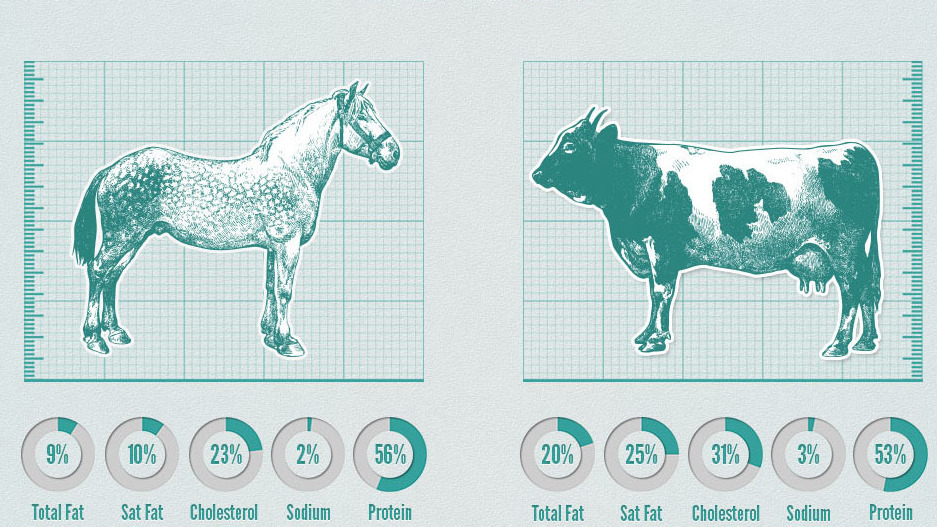
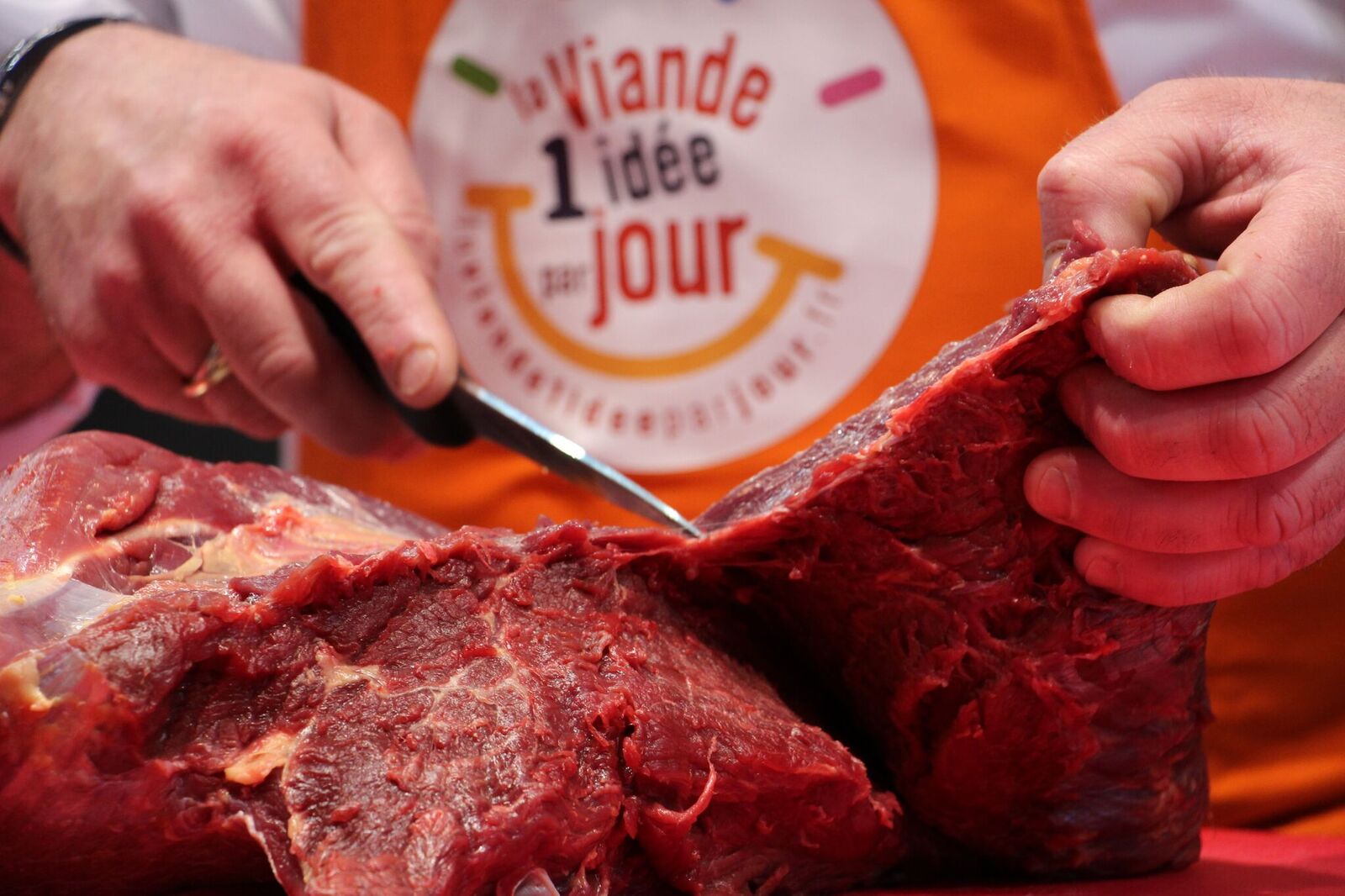 According to the Huffington Post, horse meat has more protein and less fat than lean beef. It tastes like a mix between beef and venison and can be sweeter, yet still has a dense beef flavor with a hint of gaminess.
Production:
The production of horsemeat is slightly more complicated in the United States than in France because in the United States the horses have to be shipped to another country for production. The nearest slaughterhouses are found in Canada and Mexico, so in order for consumers to buy this product, the horses have to be transported to these slaughterhouses. Once they are at the slaughterhouse, the horses are placed into small, crowded stalls with other horses, giving the bare minimum room for movement. When it is time for the horse to be slaughtered, one at a time, the horse is moved into a smaller chute. Here, the horses are shot in the head by a captive bolt pistol until the horse is unconscious. After that, the body is rolled out of the stall, where it is beheaded, skinned, and hung upside down for the blood to drain out.
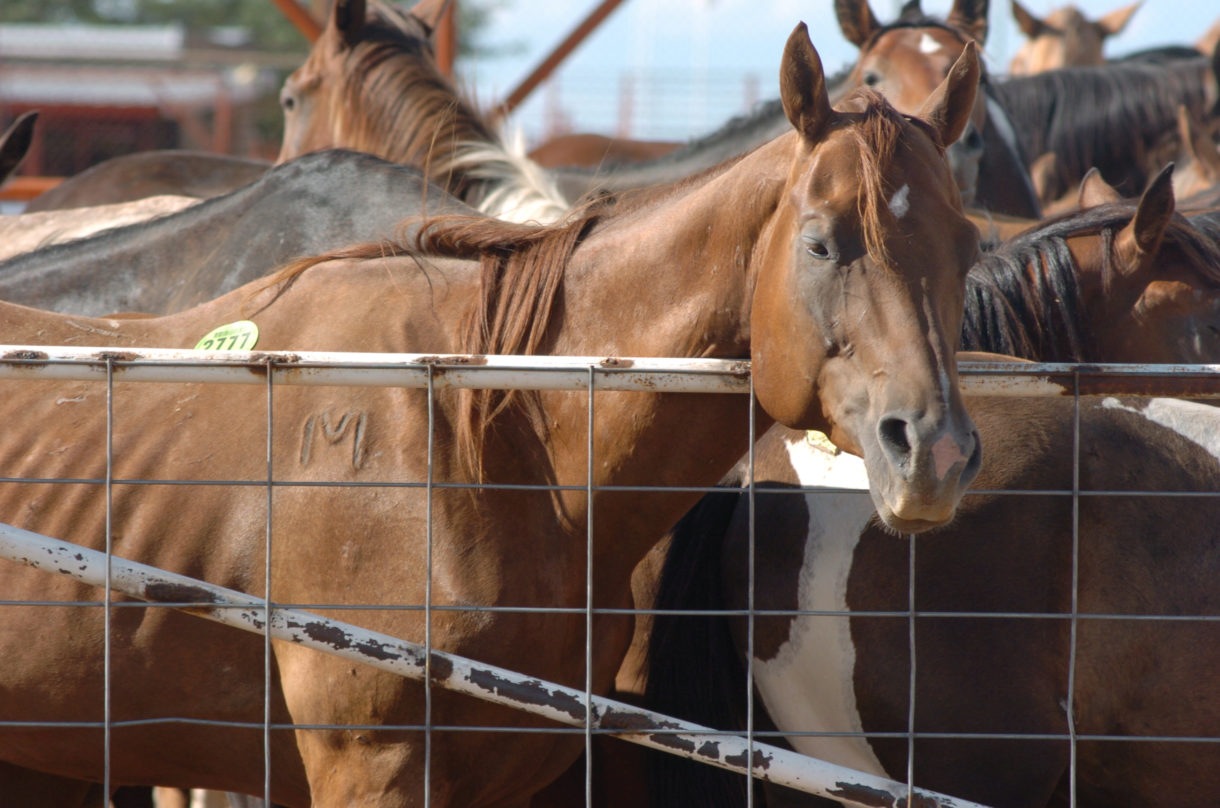
The days before the slaughtering, when the horses are being transported on the trucks, they are starved, as the drivers aren’t allowed to feed them, injected with drugs that are harmful for human consumption, frightened, put in disease ridden stalls that kill many of the horses, and they are put through subfreezing temperatures. After the meat has been processed, it is then shipped to consumers in other countries, like France.
Here is a video produced by PETA that describes what these horses go through before getting slaughtered. https://youtu.be/setii0DgRJk
History:
The history of horse meat is a very complex one, in both the United States and France. The United States has a longer history with it because the ethics behind eating horse meat, an animal that is considered a pet to some, and a friendly animal to most, is hard to get used to eating as a norm.
France:
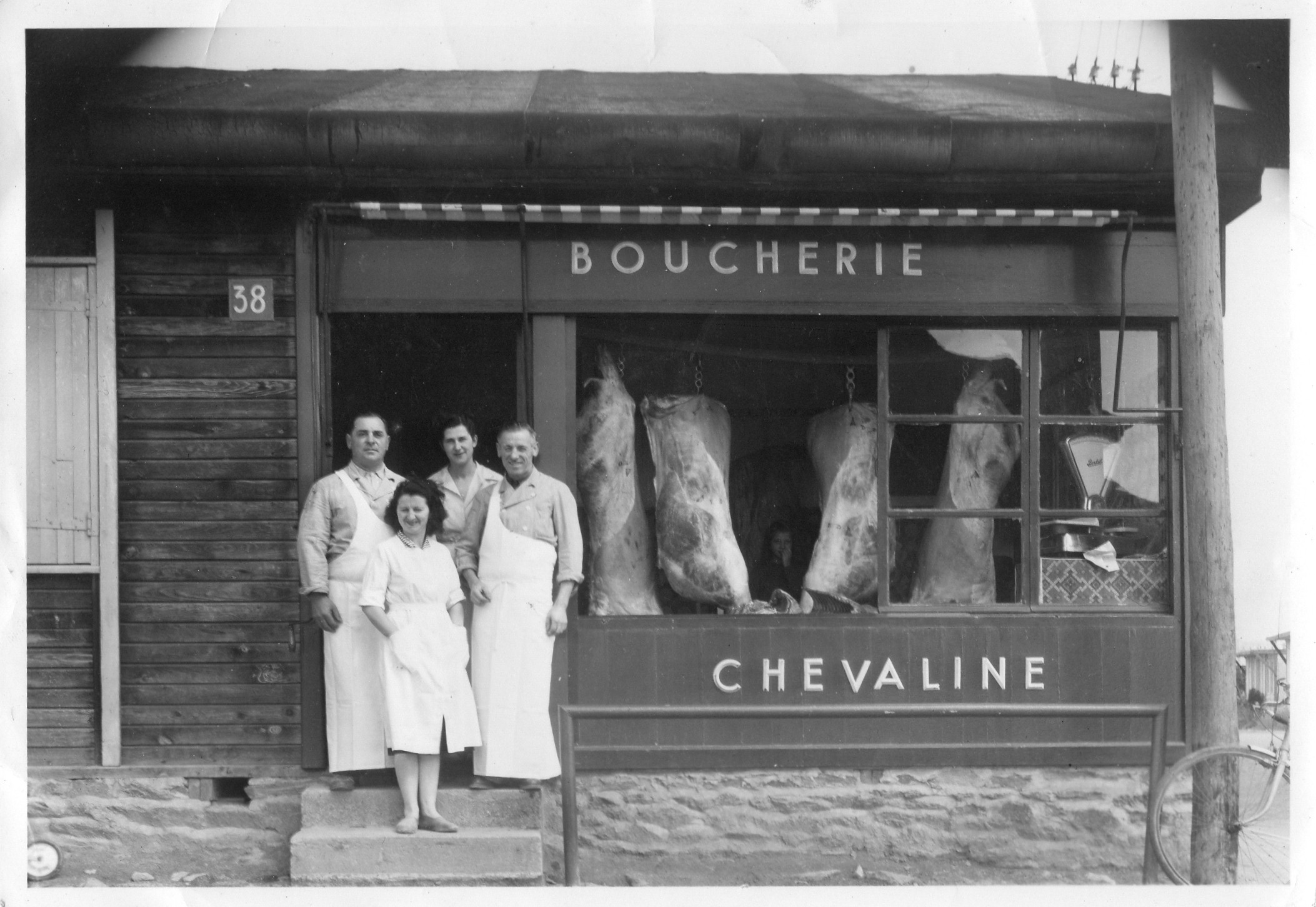 Horses came to Europe from North America and stayed there for thousands of years before returning to North America. During the 16th century hippophagy, the consumption and production of horse meat, was deemed a capital offense in France. During this time Pope Gregory III announced that he thought horse meat was an impure pagan meat, and because France was a Catholic state at the time, it was a legal concern. By the time the French Revolution came around horse meat was sold to the lower classes after the fall aristocracy because there was a lack of money to buy the more expensive meats such as beef or pork. In 1866, horse meat production and consumption was legalized in France and the first horse meat butcher shop was opened. Between the years of 1870-1871 horse meat gained popularity during the Siege of Paris. Starting in the 1950s there was a law put in place stating that only butcher shops were allowed to sell horse meat. By the 1990s this law became more flexible and now today you can find horse meat in supermarkets as well as butcher shops.
United States:
After thousands of years of migration throughout Europe horses returned to North America. Around the 1700s the US lost their need for horse meat because they had a surplus of cattle causes beef prices to drop. By the 1890s horse meat increased in the US because the horses were no longer needed for transportation. The United States had a history of not wanting to implement any regulations or restrictions when it came to food production. This led to an increase in food scares causing Europe to implement a ban on the import of United States horse meat. In 1899 horse meat became a scandal in the United States due to the substantial number of poisoned American soldiers in the Spanish-American War from the canned meat they were given to eat. In 1906 the Pure Food Act was put in place to try to make the food safer. In 1919 American citizens had practically abandoned horse meat, however the United States government still implemented the Department of Agriculture to increase the safety of the meat industry, more specifically the horse meat industry.
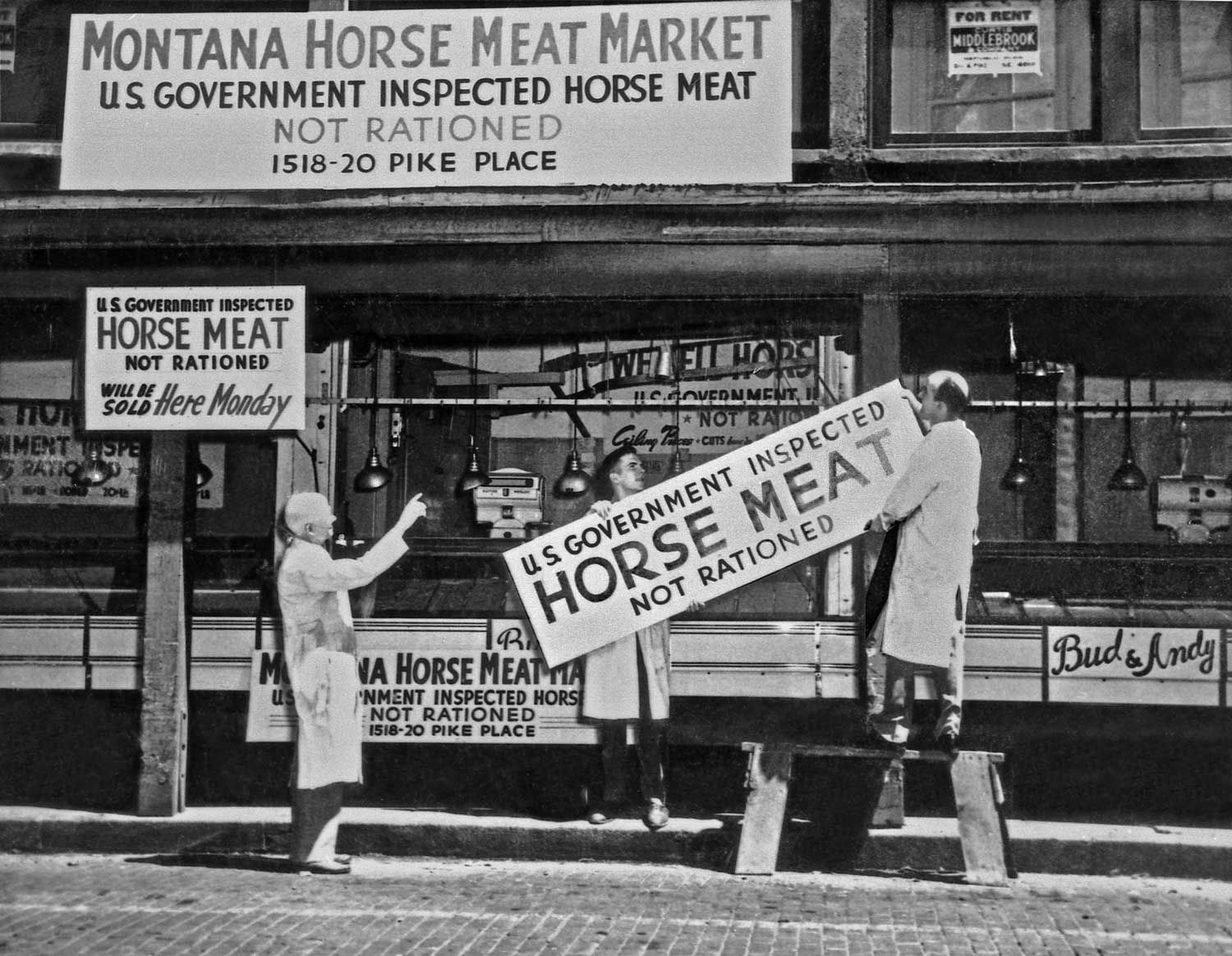 Despite the American’s fear of horse meat, during World War II horse meat consumption increased because it was the cheaper alternative to other meats. This created the horse meat ‘joke’ for US politicians, that whenever the US was in an unstable financial situation they turned to horse meat to be a cost cutting technique. During the 1970s mustangs became a protected animal and couldn’t be slaughtered. The United States had an oil crisis in 1973, which increased the prices of beef, causing once again horse meat production and consumption to increase. In 2006 the Horse Slaughter Prevention Act was passed. Part of this slaughter prevention act was cutting the federal funding for the inspections of the slaughterhouses, causing the slaughterhouses to close down because the owners couldn’t afford the inspections on their own. However, the US went through another financial crisis in 2009, leading to President Obama to take away the ban, so horse slaughter houses could be opened up again. By 2014 the ban was put back by President Obama. President Trump created some stir in 2017 when he began to look into the horse meat industry, however as of March 2018 he renewed the Horse Slaughter Prevention Act.
Laws and Regulations:
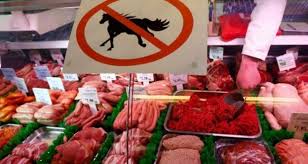 The European Union Parliament introduced regulation 1169/2011 that ensures that consumers fully understood what they were eating by making laws regarding the production, sale, and labeling of food. In France, it was illegal until 1866 when animal protection groups wanted the French government to legalize it instead of seeing horses getting overworked into old age.
In the United States we have the pure food and drug act that Prevents the manufacture, sale, or transportation of adulterated, misbranded, poisonous, or deleterious foods, drugs, medicines, and liquors. There is also the Horse slaughter prevention act that was initiated in 2006 and recently renewed by Trump that basically prevents horse slaughterhouses in the united states however, it is not illegal to buy or sell horse meat.
Ethical Views:
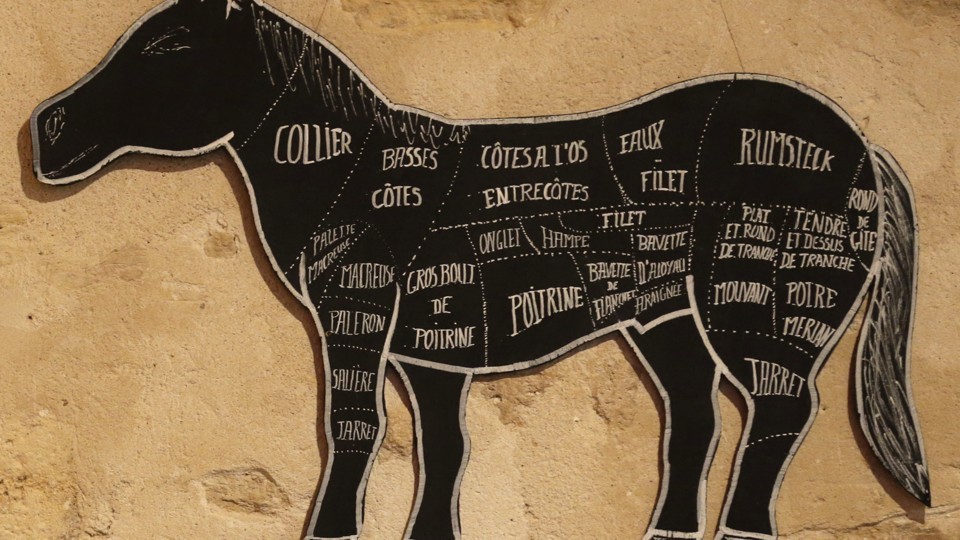
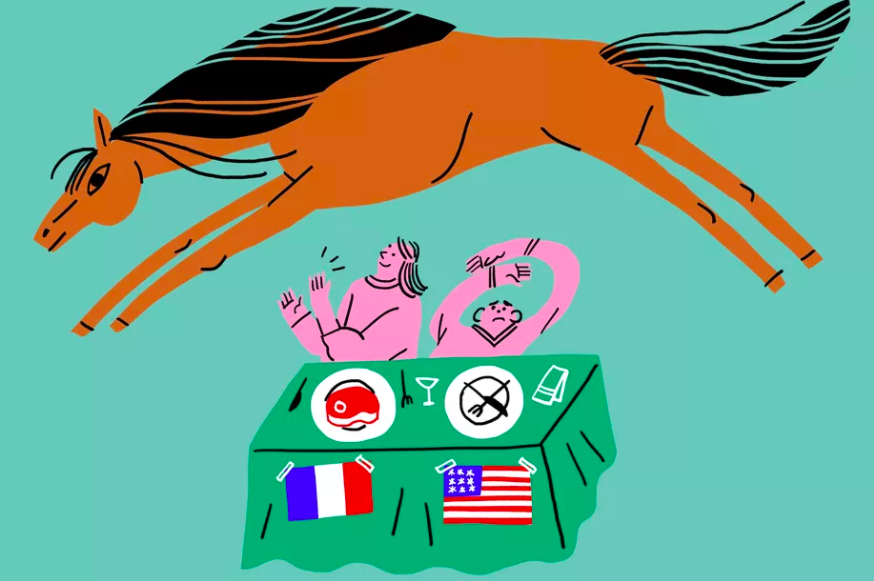 Horses overall are viewed much differently in France than they are in America. In the US we have come to view horses as pets rather than tools or food, but in France their meat was a staple from the 1870’s to the 1980’s. Although there is no mass production industry for horsemeat in france, horse can be found in grocery stores and butcher shops. Horsemeat is mainly associated with France’s older generations and seems to be more of a thing of the past, something that is likely to fade out of popularity with future generations. Horse meat is however consumed parts of Asia like China and Kazakhstan, where horses aren’t kept as pets but are rather used practically like how we use cows in America.
 When asked about horsemeat, Bryan said, " I've never had it before but I don't personally have anything against it. It's more of a cultural thing that makes it weird for Americans. It isn't something eaten very often in France, more of a holiday meal. Its popularity seems to be dying down with the younger generations as well."
Horsemeat vs Other Meats:
Horsemeat has proven to be a valuable source of essential fatty acids and contains large amounts of linolenic acid in the tissues when the animals are grass fed. Horses are one of the best species to transfer polyunsaturated fatty acids from pastures to humans making their meat a good alternative to red meat from beef. Other animals such as pigs, turkeys, and ruminants lack these proteins that are found in horses. While living, horsemeat is bright red in color due to a sufficient amount of oxygen in their muscle but after slaughter, the oxygen is used up, turning the tissue to a dark purple/red color. It is typically a very lean meat with a slightly sweeter taste and smell than beef but it is similar to a mix of beef and venison.
Additonal Sources and Readings:
Quotes from various people desribing what horse meat tastes like:
http://theweek.com/articles/467306/6-descriptions-what-horse-meat-actually-tastes-like
An article discussing horsemeat in America:
https://www.theatlantic.com/technology/archive/2017/06/horse-meat/529665/
Ortolan:
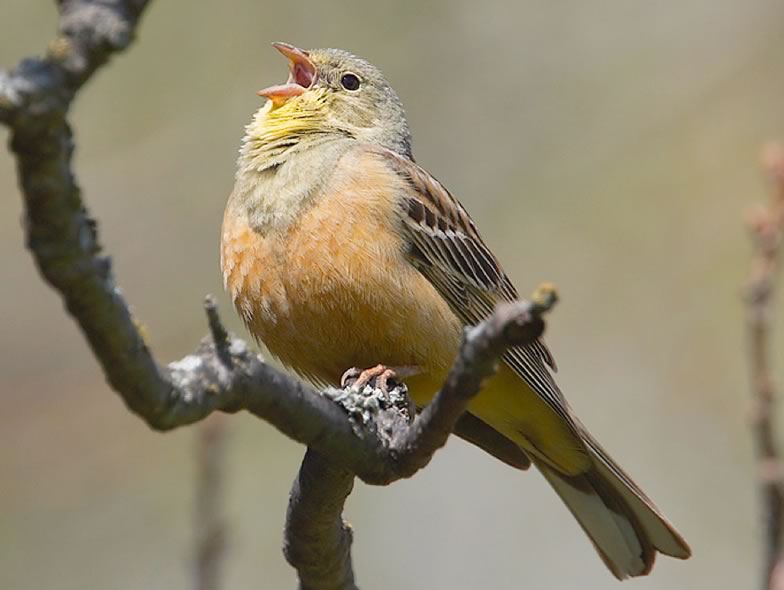
According to Anthony Bourdain, it tastes like “a hot rush of fat, guts, bones, blood and meat and is really delicious”. Many others have said that it tastes gamey, buttery, and kind of like hazelnuts.
Production:
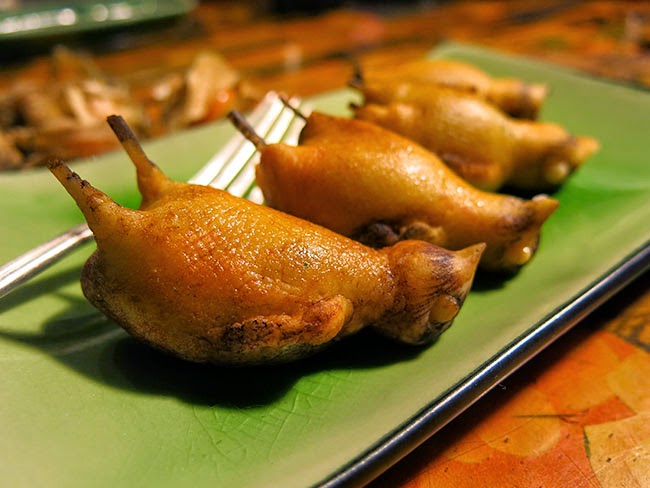
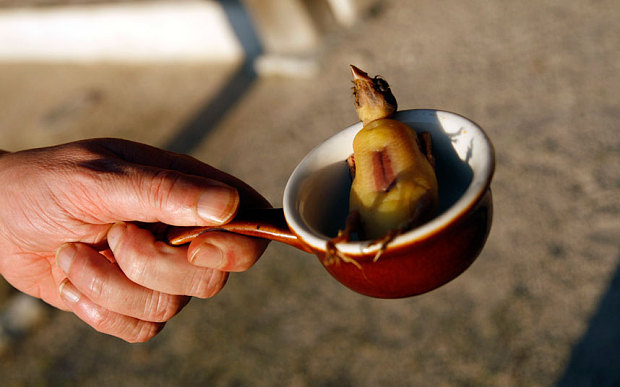
To begin, the production of ortolan, the bird is first hunted and captured. These birds are caught in nets during their autumn migratory flight to Africa and placed in covered cages or boxes. These cages and boxes are completely dark on the inside. This is because the darkness disorients the bird. When it is disoriented, that encourages the bird to eat more. In turn, the bird then doubles in size. It has also been known that if the bird is not put in a dark ca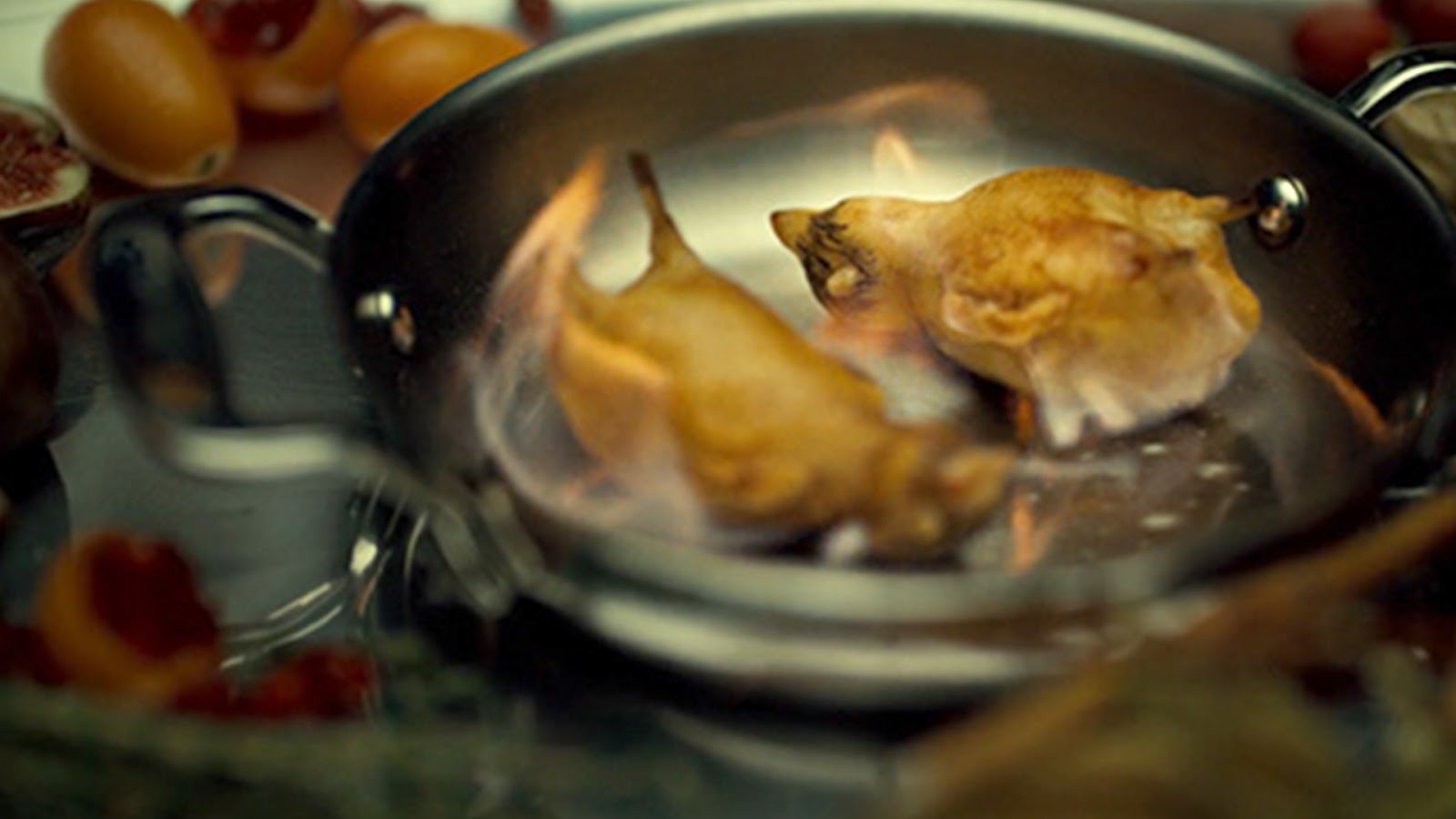 ge or box, the hunters will often blind the bird instead, with the same intent of disorienting it. The actual cooking process starts by putting the entire fattened bird into hot armagnac and roasting it for 8 minutes. After that, the feathers are plucked, and the bird is ready to be served. Eating the ortolan has a special ritual. Those eating the ortolan begin by covering their heads with a napkin. Then, the bird is placed into their mouths feet first. The entire bird is eaten, bones and all.
This is a quick video explaining in more detail the process of catching and eating the ortolan. https://youtu.be/LPnvRtvoMRY
History:
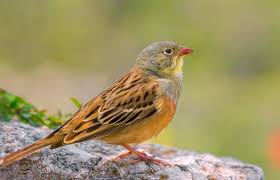 Ortolans have been eaten in France for years and seen as a delicacy. Throughout the 1970s to 1980s the ortolan population increased in France, which increased the production and the numbers poached throughout France. In 1995, Francois Mitterand ate ortolan as well as many other french delicacies for his last meal. In 1999 Ortolan hunting was banned in France, and in 2007 the french government announced their intent to enforce the hunting ban due to the 30% decrease in the ortolan population in the past 11 years. Finally, in 2014 a group of french chefs tried to convince the french government to legalize the production of Ortolan as it is viewed as a tradition and should not go to waste. They also thought that if it was legalized in France then the amount sold on the blackmarket would decrease.
Laws and Regulations:
 In 1979 ortolans were hunted so much that they were put on the vulnerable protected list by the the Royal Society for the Protection of Birds. By 1999 France made it illegal to poach ortolans, setting a fine of 6,000 Euros for anyone who disobeyed this law. 2007 the government’s intent to enforce this law was announced, and as of 2014 poaching and serving ortolans is banned across Europe.
Ethical Views:
The ortolan is viewed by the french, and even some americans as as a delicacy and is appreciated by chefs and foodies. Celebrity chef, Anthony Bourdain wrote about his experience eating the ortolan in one of his books and described it in depth “I hear the first snap of tiny bones from somewhere near and decide to brave it. I bring my molars down and through my bird’s rib cage with a wet crunch and am rewarded with a scalding hot rush of burning fat and guts down my throat. Rarely have pain and delight combined so well.” He ate the ortolan under a napkin, how you’re traditionally supposed to in order to trap in the fragrances, to keep others at the table from seeing you eat with your mouth open, and to hide yourself from god. The ortolan isn’t commonly eaten by the general public in france but can be found on the black market and is often illegally hunted despite a maximum €6,000 fine that is poorly enforced by the French government. The ortolan can al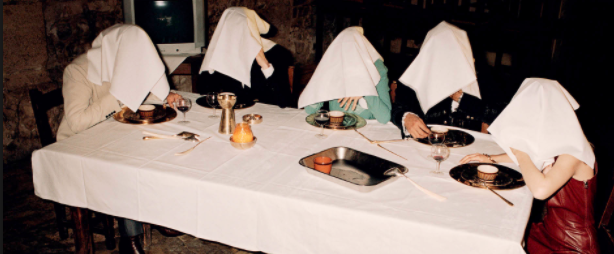 so be found in the black market in America but is much less common. Overall, the ortolan has the conservation status of ‘least concern’ and although their population decreased 30% from 1997 to 2007, food lovers don’t seem to care and the ortolan will likely be hunted until it is extinct. The French government seems to view the ortolan as an important and historically relevant bird that should be conserved, while the French people overall seem to want to do as they wish without much regard to law or ethics.
Treatment of Ortolan vs Chickens:
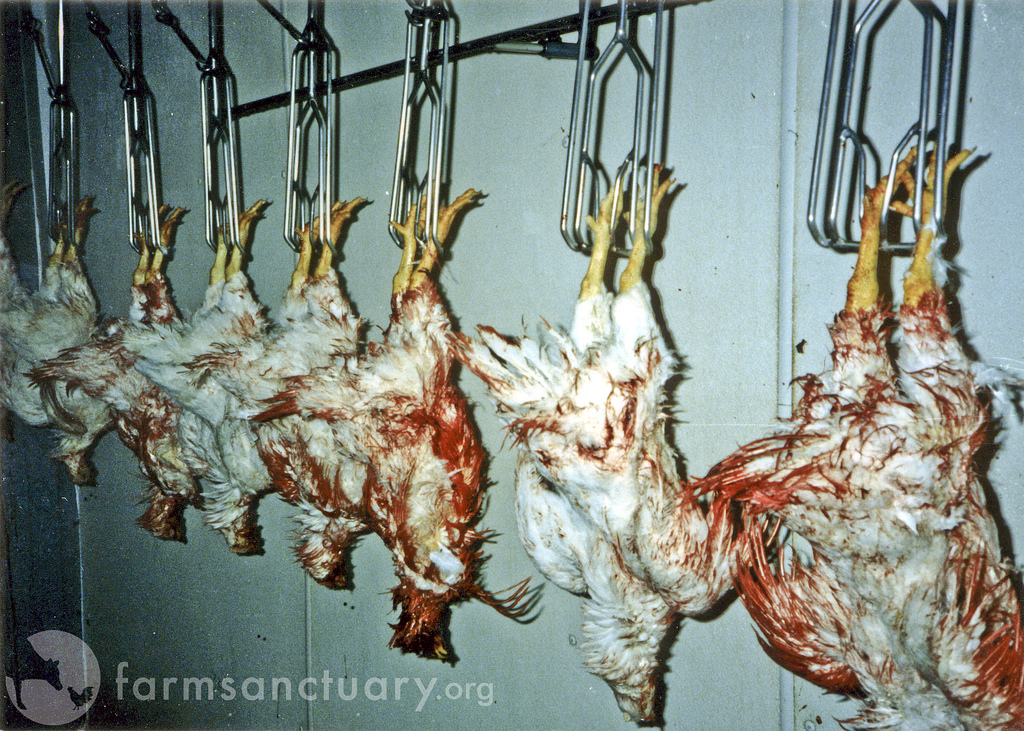
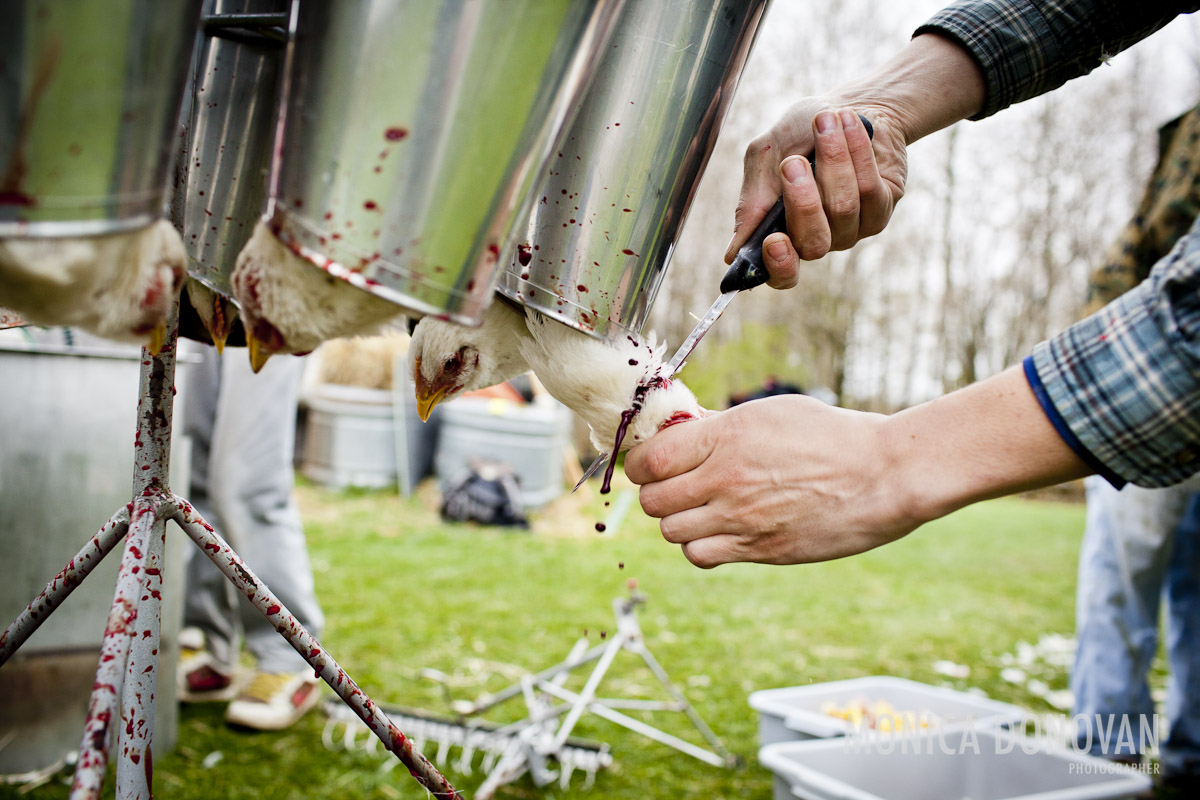
Ortolan is made by keeping the small birds in darkness for several days while they are gorged with millet. Once their fat doubles, they are drowned with Armagnac, plucked, roasted, and served whole. While there may be slight variations in the overall process, this is the only method of slaughter for ortolan. For other types of birds, that isn't the case though. Some methods of slaughter include live hang, electrical immobilization, and neck cutting. In live hanging, birds are intentionally kept alive through the slaughter process to keep their hearts beating. They are manually pulled from crates and hung upside down by their feet, sometimes even by just one foot which causes terrible pain on their legs and hips. During electrical immobilization, birds' heads and upper bodies are dragged through an electrified water bath intended to immobilize them. Paralyzing the birds allows workers to "induce certain characteristics in the muscle tissue marketed to consumers" making this method a good process for producing a quality meat product. Following the electrical bath, the birds' necks are partially cut by a machine blade and/or a manual neck cutter. Severing the two carotid arteries is the fastest method for inducing brain death as they help maintain consciousness. Cutting only one jugular vein leaves the possibility of the birds regaining consciousness throughout the slaughtering process.
Additonal Sources and Readings:
An article discussing ortolan in France:
https://munchies.vice.com/en_us/article/8qenxv/why-the-french-cant-get-enough-of-this-illegal-bird
An article talking about those who still eat the songbird in private:
https://www.nytimes.com/1997/12/31/dining/at-a-secret-chefs-dinner-in-fr...
Conclusion:
Be mindful of the history and laws regarding the foods. Think about how French and American historical and cultural differences affect social norms when it comes to food. Think about how these animals are treated, as well as how other animals used for the meat industry are treated. As well, do your research, stay informed, and be aware of animal rights.
Citation:
https://docs.google.com/document/d/1t_KO_Cm0sc9N-Q8ze5aL74DOqMKXhPt4xOx4...