
Michaela Harrington, Jessica Murray, and Cate Wardinski
Introduction
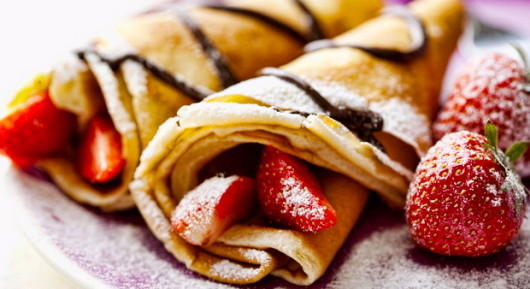
 National identity is one of the more difficult cultural elements to pinpoint within a country. One must consider what exactly constitutes a national identity. Is it the athletic pastimes, the cuisine consumed, or the moral beliefs that each citizen holds? Rather, it’s a combination of all of the aforementioned items. The average Joe associates France with baguettes, berets, and brie among other stereotypical ‘French’ symbols. However, French identity goes beyond superficial observations; it’s not about the food they eat, it’s about the beliefs that they hold along with the food that truly shapes who they are as a people (Parker, 2015). Nevertheless certain foods create more of a sense of national identity than others. This paper will discuss the effect the crêpe has had on France's national identity. The crêpe not only creates a sense of national identity due to its widespread consumption and its connection to the beliefs French citizens hold about their food, it also cements the regional identities that are established through the concept of terroir.
An Overview of French National Identity and Crêpes
So what makes the French “French”? For starters, their dedication to food is unmatched by any other country in the world. Consequently, most of their common national beliefs center around their perception of food. First and foremost, the French believe that food should be carefully crafted at a leisurely pace. Rather they don’t rush through the preparation of their meals instead, they set aside time in their day to consume their food without any distractions. In addition, the French believe that food should bring people together. This belief is evident in the gastronomic meal; a time when family and friends gather to share a meal in a similar manner as American Thanksgiving. Lastly, the French believe that food should be crafted to the highest possible caliber. Meaning that food should not only be created with time and care, but also that the highest quality ingredients available should be used. This means going above and beyond in finding the perfect ingredients for each dish, which brings us to the concept of terroir. Terroir will be covered at length later in this essay, but to summarize terroir revolves around the idea that food tastes different depending on where it was grown. For example, certain areas have the best soil for particular food products (i.e, champagne is only to a be produced in the Champagne region of France) thus creating regional specialties (Parker, 2015).
Crêpes are known worldwide but they have been adopted by so many cultures that it is difficult to recognize a proper French crêpe. Crêpes are made out of pancake-like batter and are cooked thin over a flat top grill. The batter generally consists of eggs, sugar, and some sort of wheat product (Brittany Crêpes and Galettes). It is cooked until the edges are slightly brown and then it is flipped and cooked on the other side. However, the wheat product chosen for the batter as well as the fillings are what distinguish one crêpe from another. Fillings can either be placed inside a crêpe or on top of it. French crêpes are typically sold in Crêperies; sit-down restaurants where crêpes are eaten using utensils.
History of Crêpes
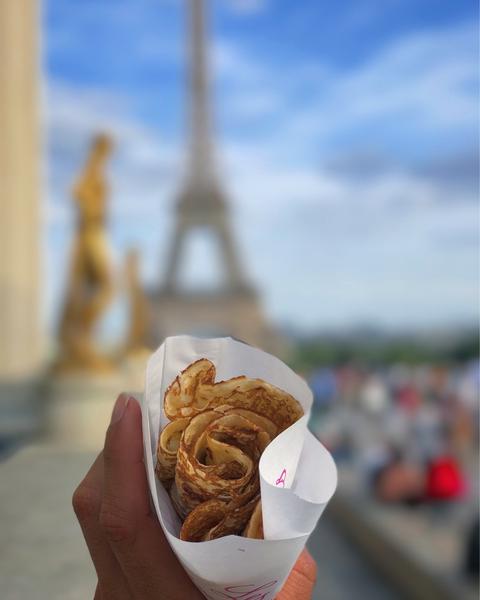
The crêpe originated in Brittany, the northwest corner of France. Traditionally, not much was able to grow on Breton moors as the landscape was too harsh for most agricultural products. However, buckwheat was introduced in the 12th century and immediately took to the rocky soil. The Bretons made use of this fiber-rich, high-protein grain by grinding it down and combining it with water and salt to make a batter. They would then cook the batter on a hot surface with some butter and add whatever fresh food they had lying around to complete the meal. At the time of their invention crêpes were considered peasant food, but their societal ranking changed drastically in 1895 when Henri Charpentier brought them into the world of high cuisine (or "haute cuisine") with the creation of crêpes Suzette (King, 2018).
Sweet vs Savory
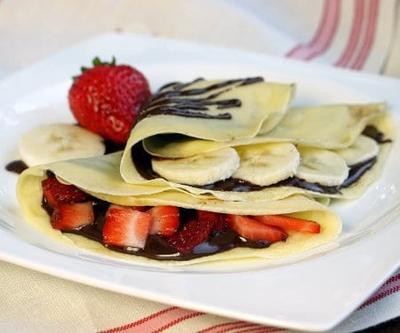
Crêpes can be either sweet or savory depending on the meal at which they are being served. They can be eaten for breakfast, lunch, dinner, or dessert. Sweet crêpes are usually eaten for dessert. They are traditionally made with wheat flour and topped with lemon and sugar. Common fillings include fruits, chocolate, nutella, and whipped cream. Savory crêpes are usually eaten for lunch or dinner and are made with buckwheat flour. Fillings traditionally include ham, cheese, and egg. Breakfast crêpes can be sweet or savory depending upon the tastes of the person making them (Crepes | The Real French Foods, 2018).

Famous Crêpes
Despite the abundant varieties of French crêpes, the following are the most well-known: crêpes Suzette, la « crêpe du chat, » la crêpe Gigi, and la crêpe bretonne (Le top 4 des crêpes les plus célèbres, 2018).
As previously mentioned, crêpes Suzette was invented in 1895 by Henri Charpentier when he was working for Café de Paris in Monaco. According legend, the Prince of Wales had been dining at said restaurant and requested a luxurious crêpe dessert. In a moment of inspiration, Charpentier threw some orange and brandy onto a crêpe and lit the entire concoction on fire. Thus the iconic crêpe Suzette was born, and appropriately named after the Prince’s dinner guest that historic evening (Le top 4 des crêpes les plus célèbres, 2018).
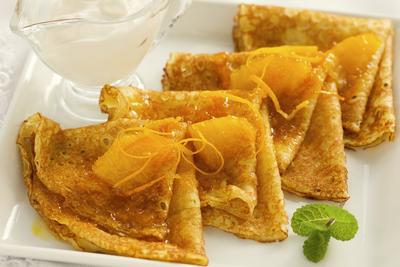
La « crêpe du chat » is the most recent buckwheat flour crêpe to have been created. It can be distinguished from other buckwheat varieties as it is much smaller in size due to a lack of dough (Le top 4 des crêpes les plus célèbres, 2018).
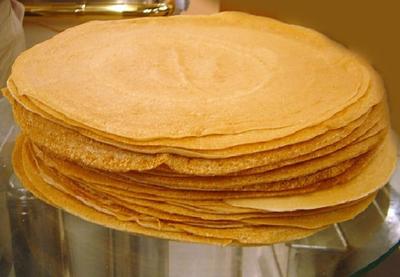
La crêpe Gigi is actually a fictitious crêpe. However, it was mentioned in the popular French comedy from the 1970’s French Fried Vacation 2 (French title: Les bronzés font du ski) so it has maintained its relevance in French culture (Le top 4 des crêpes les plus célèbres, 2018).
The dialogue:
-
Euh, qu’est-ce que c’est que la crêpe Gigi ? Uh, what is the Gigi pancake?
-
Et bien, la crêpe Gigi, c’est une fine couche de sarrasin, saisie dessus dessous, et parsemée de pétales de rose tièdes. C’est délicieux ! Well, the Gigi pancake, it’s a thin layer of buckwheat, seized underneath, and sprinkled with warm rose petals. It’s delicious!
-
Ah oui, certainement… Je vais vous prendre (euh) une crêpe au sucre avec une bière. Ah yes, of course… I’ll take (uh) a sweet crêpe and a beer.
-
Ah non non non, je m’excuse monsieur, nous ne faisons pas ça ici. Vous vous êtes trompés d’établissement. Vous avez toutes nos crêpes sur la carte. Oh no no no, I apologize sir, we do not make that here. You have misjudged this establishment. All of our crêpes are listed on the menu.
-
Vous avez de la pâte ! Vous avez du sucre ! Alors avec la pâte, vous faites une crêpe et vous mettez du sucre dessous ! You have dough! You have sugar! So with the dough, you make a crêpe and you put sugar on it!
-
Aaah ! Mais qu’est-ce que c’est que ce type-là ! On croit rêver ! Aaah! But what is with this guy here! You must be joking !
-
C’est vrai ! Où c’est qui se croit celui-là ! Tête de con ! It’s true! Where does he think he is! Idiot!
Finally, la crêpe bretonne is the descendant of the first crêpe ever created. It is a buckwheat crêpe that originates from the region of Britanny, thus crêpes made in this region are the considered to be the most authentic and of the highest quality (Le top 4 des crêpes les plus célèbres, 2018).
Terroir
Terroir is the idea that the characteristic taste and flavor imparted to a food is the product of the environment in which said food was produced. The French value terroir to the extent that they created the AOC (appellation d’origine contrôlée) which is a certification granted to certain French geographical indications for wines, cheeses, butters, and other agricultural products based on the concept of terroir and regulated by INAO (Institut national de l’origine et de la qualité.) In fact, there was an effort made to attain an AOC for Brittany’s buckwheat (blé noir de Bretagne.) Although the certification has not yet been approved, France’s push to achieve this prestigious label yet again demonstrates their unmatched devotion to high quality ingredients (Parker, 2015) (Crêpe bretonne, 2018).
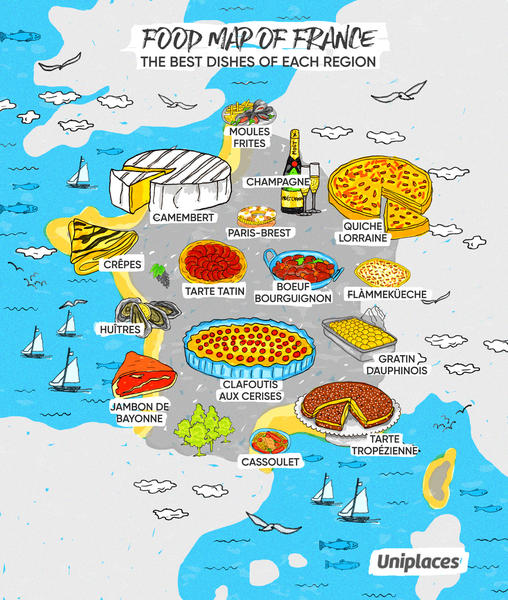
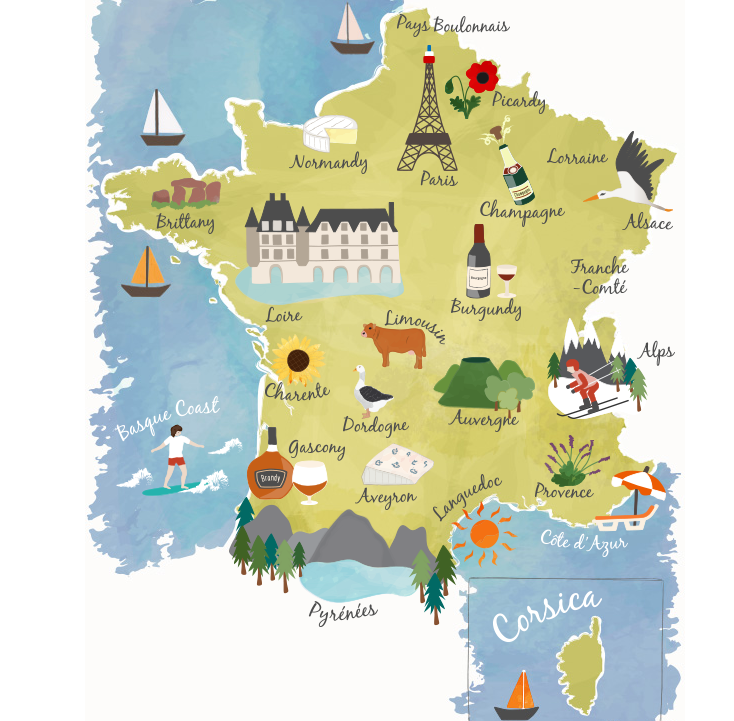
Of course la crêpe bretonne is the original and therefore the most authentic crêpe available in France, but the popularity of this dish has made it possible for each region to come up with their own variation in accordance with local terroir.
Northeastern Varieties:
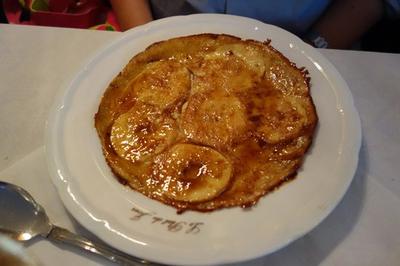
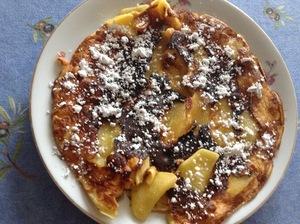
The regions bordering Germany (Hauts de France et Alsace) have incorporated beer into their crêpe batter for added flavor. On a similar vein, they add Calvados (an apple or pear brandy) to the batter in Normandy. This region is also known for medieval vautes which are a crêpe traditionally filled with apples or cherries (Crêpe -variétés ou...)
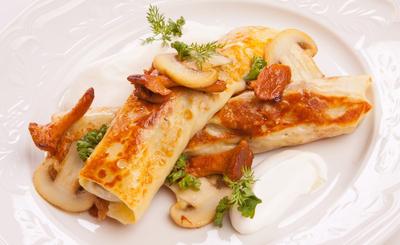
Central Varieties:
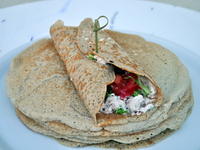
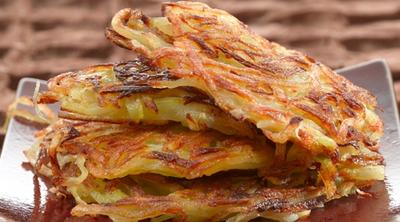
In Central France (Auvergne and Lyon) the traditional crêpe batter is enhanced or even replaced with sliced or mashed potatoes (Crêpe -variétés ou...).

Western Varieties:
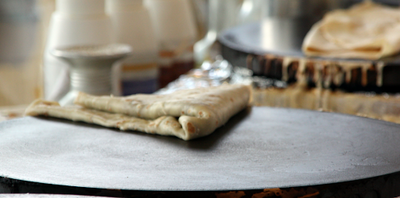
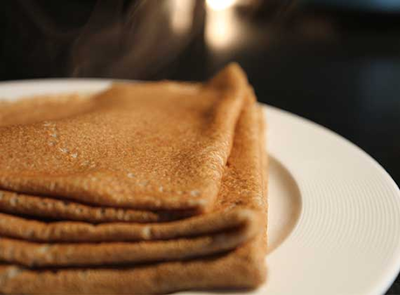
Crêpes are eaten year-round in Western France, especially in Brittany, where wheat crêpes or buckwheat pancakes are prepared “on the tile” and served with salted butter. Lastly crêpes dentelles, a specialty of Quimper (Brittany), are biscuits made of very thin crêpe slices rolled up on themselves (Crêpe -variétés ou...).

Southern Varieties:
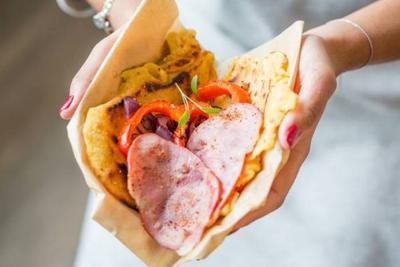
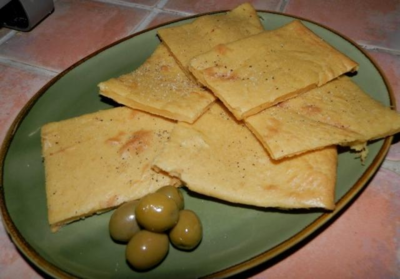
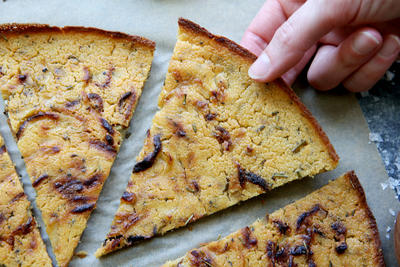
In Basque country, located in the Western Pyrenees between the border of France and Spain, they serve taloa which is made from corn flour. In Provence, southeastern France bordering Italy and the Mediterranean Sea, they make cade which is made from chickpea flour and olive oil. In Nice country, the southeast corner of France near the foot of the Alps, they serve socca which is made from chickpea flour and olive oil and then baked (Crêpe -variétés ou...).
Buckwheat Varieties:
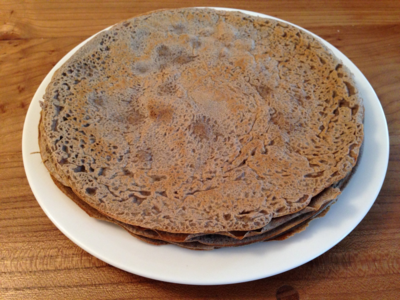
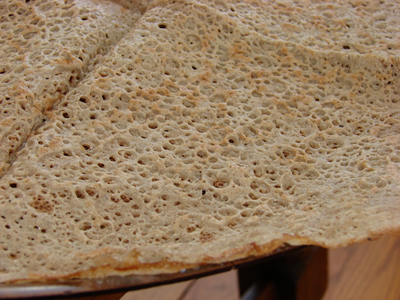
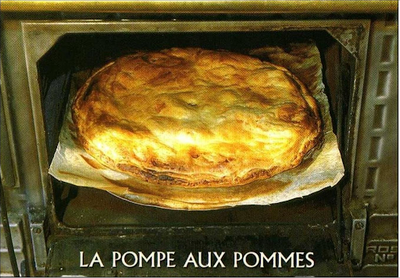
These are varieties of the buckwheat crêpe, just their names and shapes vary: la galette - Haute-Bretagne (the north west), le tourtou limousin (central west), la pompe aux pommes in Auvergne (central) (Crêpe -variétés ou...).
The Day of the Crêpe
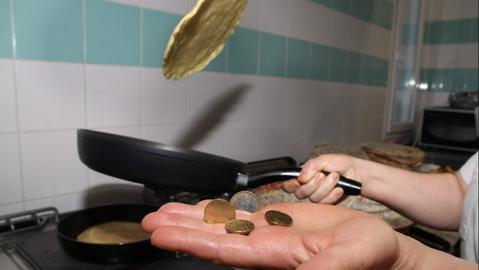
The Day of the Crêpe, also called La Chandeleur, is celebrated annually on February 2nd. It marks the day that Jesus was presented to the temple, forty days after Christmas, as well as the coming of spring (La Chandeleur: Why Do the French..., 2018). In the United States they observe Groundhog's Day which celebrates the ending of winter (Marcus, 2017). Deriving from a Pennsylvania Dutch superstition, Americans believe that if the groundhog sees his shadow when emerging from his burrow it signifies six more weeks of winter weather but if the groundhog does not see his shadow then spring temperatures will arrive early. Like Groundhog Day, La Chandeleur is also known for superstitions. If you toss a crêpe well that means that good weather is coming soon. In addition to using the crêpe toss to predict weather, people will hold a coin in their left hand and toss a crêpe in their right. If the crêpe is not dropped during this process then that person will have good luck all year. Another similarity between Groundhog Day and La Chandeleur is that the weather is used to predict how long winter weather will linger. If it rains on February 2nd it’s believed that there will be forty more days of rain, but if it is sunny then winter weather is coming to an end. The crêpe was chosen as the traditional food to eat on this holiday because it has a round shape and yellow like color which represents the sun. Crêpe consumption also serves the purpose of using up the leftover wheat from the previous harvest (La Chandeleur: Why Do the French..., 2018).
Mardi Gras
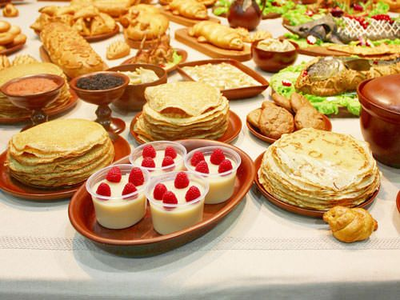
Mardi Gras (also known as Fat Tuesday) is the day before Ash Wednesday, the first day of Lent. For those unfamiliar with Catholic traditions, Lent is the forty day period of fasting and reflection before the celebration of Easter. During the Lenten period many Christians will omit meat, eggs, and sugary foods from their diet. Since Mardi Gras is the last day for Christians to enjoy these forbidden foods, they celebrate by feasting and throwing parties. Crêpes are one of the foods traditionally eaten during the Mardi Gras celebrations (Carnivals, Pancakes and Excess: What Mardi Gras Means to the French, 2018)

Globalization of the Crêpe
Because of the increase in technology and access to other cultures, globalization is a huge reason for the influence of the crêpe across the world. Although the French crêpe is not seen in other countries, its influence can be seen across regions.
Asia:
Asian countries like China use a rice flour in their crêpes since its more common to their region. In India they use chickpea lentils as the wheat product in their crêpes. In Japan they favor a sweet crêpe, so all the crêpes they make are sweet. They are also sold only on the street in street carts (Crêpe -variétés ou...).

North America:
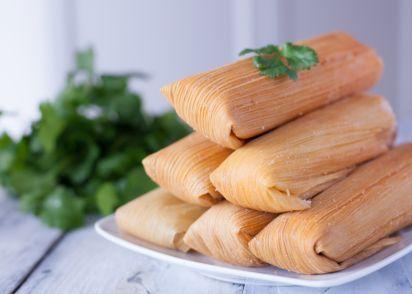
In America, the crêpe Suzette is popular in French restaurants as well as some American ones. However the more popular option for Americans is the pancake. The pancake is a fluffier option to a crêpe and usually is a bit sweeter than the crêpe. Because Canada is a former French territory, they have a very similar version to the crêpe. The Canadians call it a “French crêpe”, but the French don’t consider it a real crêpe because it is too thick. In the French’s eyes they call it a pancake. Mexico uses corn flour to make their tortillas and tamales, which are also made out of corn flour and are wrapped in corn husks) (Crêpe -variétés ou...).

South America:
Like in Mexico, many South and Central American countries use corn flour to make tortillas and tamales. Argentina also makes a crêpe-like dish using bread dough (Crêpe -variétés ou...).
Africa:
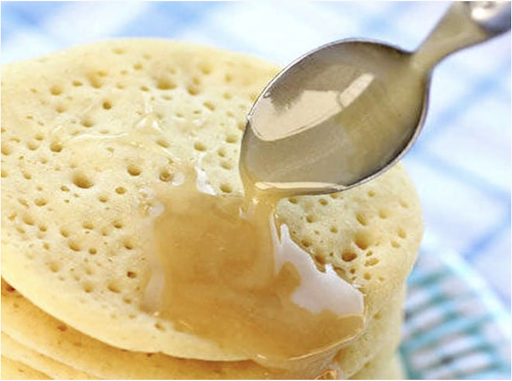
The Maghreb region has been strongly influenced by France as it was formerly part of the French colonial empire. They have the “crêpe with a thousand holes” made with durum wheat flour. It is slightly thicker than the French crêpe and, as the name implies, full of air holes in the dough. Parts of Africa also have the baghir, which is another slightly thicker crêpe-like dish (Crêpe -variétés ou...).
Europe:
Many European countries have French crêpes with their own combinations of fillings and toppings, but they have each established some of their own dishes based on French crêpes. England’s version of the crêpe is their crumpets, which are thicker, smaller, and a little harder than the French crêpe. They usually eat them with their tea. Denmark has Aebleskivers, which are small balls of dough. Romania also uses wheat flour like the French, however they stuff it with different ingredients. Russia makes blini, which are much smaller and thicker than the French crêpe. Just like the French they use buckwheat flour for their dish. It is usually eaten with caviar. The Netherlands has pannenkoek, which is just a sweeter version of the Russian blini. Italy’s crêpes are the most similar to the French since they share a lot of traditions are shared between the neighboring countries. In fact, Italians were the first to start the tradition of eating crêpes during Mardi Gras.
All these dishes show how much of an influence the French crêpe has had on not only France, but all over the world (Crêpe -variétés ou...).

Conclusion
In this paper we have thoroughly explored the French crêpe’s connection to terroir and to French national identity. At this point, it can be determined that the French are a truly unique culture as they will go to great lengths to prepare and/or seek out the highest quality ingredients available (read just how far they will go in this article: . Meals are not something to be eaten ‘on the go,’ rather the French consider this time to be sacred and use this opportunity to share and spend quality time with friends and family. Thus, crêpes have helped to perpetuate France’s food-centered national beliefs. On the other hand,the concept of terroir has created an inseparable link between crêpes and the region of Brittany. Therefore, the crêpe is perceived more as a regional symbol rather than part of the national identity (Produits du terroir. La Bretagne est..., 2017). In addition, globalization has had an impact on France’s younger generations. Due to the rising popularity of chain grocery stores ready-made food items, such as frozen crêpes, have significantly affected the rising generation’s connection to food preparation and to terroir (On ne sait plus faire les crêpes, 2010). To summarize, the crêpe could have contributed to France’s national identity or it could not have; it is entirely dependent on how you choose to view the argument.
References
Texts
- Albala, Ken. Pancake: A Global History. Reaktion, 2008.
- “Brittany Crêpes and Galettes.” Regions of France | Burgundy Region of France - Weather, www.regions-of-france.com/regions/brittany/food-gastronomy/crepes-galettes/.
- “Carnivals, Pancakes and Excess: What Mardi Gras Means to the French.” The Local, The Local, 13 Feb. 2018, www.thelocal.fr/20180213/carnivals-pancakes-and-excess-how-to-celebrate-...
- "Crepes | The Real French Foods". Frenchcountryfood.com, 2018,http://frenchcountryfood.com/recipes/desserts/crepes.html. Accessed 11 Dec 2018.
- "Crêpe bretonne". Bretagne.com, 2018, https://www.bretagne.com/fr/la-bretagne/sa-gastronomie/ses-produits-du-t.... Accessed 11 Dec. 2018.
- “Crêpe -variétés ou équivalents de crêpes en France et dans le monde.” Gastronomiac, www.gastronomiac.com/lexique-culinaire/crepe-varietes-ou-equivalents-de-....
- Guibert-Martin, Sébastien, et al. “Impact of the Baking Protocol on the Structure of French Crêpes.” Journal of Food Engineering, vol. 196, 2017, pp. 183–192., doi:10.1016/j.jfoodeng.2016.07.002.
- "Le top 4 des crêpes les plus célèbres". Crêpes en Fête, 2018, https://www.crepesenfete.com/temoignages/le-top-4-des-crepes-les-plus-ce.... Accessed 11 Dec. 2018.
- "Histoire et origine des crêpes". Crêpes Recette, 2018, https://www.crepes-recette.com/crepes-recette-histoire-de-la-crepe.php. Accessed 11 Dec. 2018.
- Tourismebretagne.com. "Êtes-Vous Incollable Sur Les Crêpes ?". http://www.tourismebretagne.com, 2018, http://www.tourismebretagne.com/s-inspirer/autour-de-la-gastronomie/etes.... Accessed 11 Dec. 2018.
- “Henri Charpentier.” CooksInfo.com, CooksInfo.com, www.cooksinfo.com/henri-charpentier.
- “Holy Crêpe!” France Today, vol. 33, no. 1, Dec. 2017, p. 9. EBSCOhost, search.ebscohost.com/login.aspx?direct=true&db=asn&AN=127963484&site=ehost-live.
- Fourcade, Marie-Blanche. Patrimoine et patrimonialisation: entre le matériel et l'immatériel. Presses De L'université Laval, 2007, pp. 133-138.
- King, Gemma. “A History Of The Crepe, France's Delectable Staple.” Epicure & Culture, Epicure & Culture, 8 Dec. 2018, epicureandculture.com/french-crepe/.
- “Japanese Crepes.” Essential Japan Guide RSS, Essential Japan Guide , www.essential-japan-guide.com/japanese-crepes/.
- "La Bretagne, Championne de l'identité culinaire". 2017. https://www.ladepeche.fr/Article/2017/07/07/2608588-la-bretagne-champion..., Accessed 11 Dec 2018.
- “La Chandeleur: Why Do the French Eat Crêpes on February 2nd?” The Local, The Local, 1 Feb. 2018, www.thelocal.fr/20180201/why-do-the-french-eat-crepes-on-le-chandeleur.
- Marcus, Lilit. “Why the French Eat Crêpes on February 2.” Condé Nast Traveler, Condé Nast Traveler, 1 Feb. 2017, www.cntraveler.com/story/how-to-celebrate-la-chandeleur-frances-crepe-holiday.
- "On ne sait plus faire les crêpes". 2010, http://www.leparisien.fr/societe/on-ne-sait-plus-faire-les-crepes-02-02-2010-800559.php. Accessed 11 Dec. 2018.
- Parker, Thomas. “Introduction: Terroir and the Culinary Roots of French Identity.” Tasting French Terroir, University of California Press, 2015.
- "Produits du terroir. La Bretagne est championne de l'identité culinaire.". 2017, https://www.letelegramme.fr/bretagne/produits-du-terroir-la-bretagne-est-championne-d-l-identite-culinaire-26-07-2017-11610001.php. Accessed 11 Dec. 2018.
- Pruvost, Jean. "Chandeleur : d'où viennent les crêpes ?". Le Figaro, 2018, http://www.lefigaro.fr/langue-francaise/actu-des-mots/2018/02/02/37002-2...FIG00010-chandeleur-d-o-viennent-les-crepes.php. Accessed 11 Dec. 2018
- Waldee, Lynne Marie. Cooking The French Way. Easy Menu Ethnic Cookbooks. Lerner Pub. Group, 2002.
- Yang, Annie. “La Chandeleur - Why Eat Crêpes on February 2nd?” MyPanier, MyPanier, 25 Jan. 2017,www.mypanier.com/blogs/food-trends/la-chandeleur-why-eat-crepes-on-february-2.
Pictures
- Palominos, Christopher. “Crepes.” Trover, 2017, www.trover.com/d/1aRcM-eiffel-tower-paris-france.
- Arhus. “Crêpe ‘Normande’ Mit Calvados.” Trip Advisor, 8 Aug. 2013, www.tripadvisor.com.sg/LocationPhotoDirectLink-g187331-d966327-i73148404....
- Gohar, Laila. “Crêpes Suzette.” Food Republic, 25 July 2015, www.foodrepublic.com/recipes/french-crepes-suzette-recipe/.
- Ducasse, Alain. “Ficelle Picarde.” Académie Du Goût, www.academiedugout.fr/recettes/ficelle-picarde_6517_2.
- Lydia. “Food Map of France.” Uniplaces, 3 Aug. 2017, blog.uniplaces.com/15-dishes-absolutely-must-try-erasmus-france/.
- Cruddace, Bek. “France Map.” France Today, 2018, www.francetoday.com/france-map/.
- “French Crêpes for Dessert.” Gourmet Uncorked, 18 Mar. 2014, gourmetuncorked.com/easy-french-crepes-savory-sweet/
- “Japanese-Crepes-Tokyo.” Tokyo By Food, TableCross Inc, tokyobyfood.com/tokyo-street-food-10-street-smart-treasures-you-must-eat-in-tokyo/japanese-crepes-tokyo/.
- “Marketing Land.” Marketing Land, Third Door Media, 2016, marketingland.com/cmos-view-ihop-keeps-winning-love-affection-3-5m-facebook-fans-187900. Source of the IHOP photo
- Sulia, Justine. “Savory Crepes with Hollandaise.” Tasty Kitchen, 19 Mar. 2015, tastykitchen.com/recipes/holidays/savory-herb-crepes-with-hollandaise/.
- Ozimek, Sarah. “Sweet French Crepes.” Curious Cuisinière , 6 Oct. 2017, www.curiouscuisiniere.com/sweet-crepes/.
- “The Daring Gourmet.” The Daring Gourmet, 8AD, www.daringgourmet.com/traditional-english-crumpets/.
- “Traditional Tamales.” Genius Kitchen, Scripps Networks, www.geniuskitchen.com/recipe/traditional-tamales-pork-15286.