

David.Needle@unh.edu
(603) 862-2726
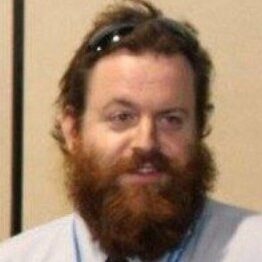
DAVID NEEDLE, DVM DAVCP
Clinical Associate Professor, Senior Veterinary Pathologist
I was born in the foothills of the Appalachian Mountains in northern New Jersey, where I spent many hours ambling in search of wildlife encounters in the woods. I was fortunate to have the time to wander about and wonder about the world outside. After a brief hiatus completing a BA in history at Tufts University, I found my way, in a round-about way, back to thinking about animals. This led to a post-baccalaureate siege of the basic sciences at Columbia University in New York, while I spent my time as a vet tech a small animal hospital a quick jaunt across the river in Edgewater New Jersey, and one day a week as a docent at the New York Aquarium. I attended Tufts Cummings School of Veterinary Medicine, graduating in 2011, and then entered a pathology residency at Michigan State University’s Diagnostic Center for Population and Animal Health (now rebranded as the MSU VDL). This was an incredible experience, with training from a diverse and generous group of talented experts in pathology, and exposure to world-class diagnosticians and researchers across multiple disciplines. Following my time at MSU (go green!), I took up my current post at the UNH VDL, where I have been able to build my career in teaching, diagnostic service, and research. I am lucky to reside in the same town that I work, with my partner, two sons, and (currently) two dogs, one cat, 3 tetras, one catfish, and two dwarf frogs. Our research group is a happy surprise born of being pesky and wanting to understand unexpected disease incidents and trends, and then trying to place what we have figured out into the context of One Health and the relationships between:
anthropogenic change ↔ environment ↔ host ↔ microbiome ↔ pathogens / health threats
Our work currently includes: (1) comparative microbial ecology focusing on the emergence of pathogens and antimicrobial resistance on farms – with plans to expand our focus; (2) emerging infectious disease discovery; and (3) wildlife disease ecology. If you are excited about a perceived emerging disease, or pattern of morbidity or mortality we probably will be too, so send us a note!
Kellen.Sawyer@unh.edu
KELLEN SAWYER
Laboratory Technician, Imagineer
Hailing from a quiet corner of New Hampshire, I first went to the University of New Hampshire in pursuit of a degree in the biological science sphere. I ultimately majored in Biosciences and Technology with a minor in Genetics as I wanted to get into some sort of research. With both the biotech world and the housing crash of 2008 conspiring against me, I had a brief stint working at Wal*Mart working as a cashier, door greeter, and anything else as needed. A college friend of mine knew of an opening in his father's Environmental Engineering lab for a glass washer which led me to working with Prof. M. Robin Collins and currently furthering my education with a master's degree in Civil and Environmental Engineering. I worked there for several years on a variety of projects related to water treatment with a strong focus on biological treatment, water chemistry, and membrane filtration. With the advent of Covid, I jumped ship and worked with Prof. Paula Mouser on a pioneering wastewater monitoring project based at UNH. This program monitored over 90% of the on-campus student population for presence and strength of disease biomarkers three times per week year-round. The State of New Hampshire's Department of Health and Human Services division became involved in this venture as well, which allowed for the expansion to other notable illnesses monitoring to include influenza and monkey pox. As Covid and its bountiful Federal resources began to dwindle, I was able to fool Prof. David Needle into taking me on as a technician from my limited epidemiological stint and I'm learning more and further exploring the world of microbiological and emerging diseases.

megan.munis@unh.edu
MEGAN MUNIS, DVM MS
Research Scientist
Growing up in suburban Connecticut, I completed my undergraduate degree at University of Connecticut in Animal Science, then quickly fled out west to Colorado for graduate school and the chance to gallivant around the Mountain West. After completing a M.S. in Biomedical Science studying the immunology of BVDV virus, I attended Colorado State Veterinary School. I then spent the next decade in private veterinary practice in Arizona treating everything from beef cattle to sugar gliders. Eventually I relocated to my New England roots, where I found myself wearing many hats including relief veterinarian and adjunct professor of veterinary technology before joining the MEED team in 2024. As a true Jack of All Trades, my research interests are many, but I most enjoy studying host-microbe interactions, both how microbes cause disease and how microbes evolve and adapt to evade host responses.
In her scant spare time, you can usually find Megan in the woods on a gravel or mountain bike, on foot, or on skiis, depending on the weather.

KARI HARTMAN
Microbiologist
CURRENT STUDENTS
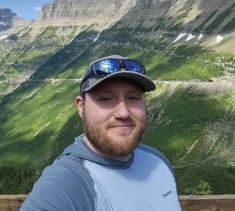
ZEB ANTONIOLI
Graduate Student
Zeb grew up in rural southwest Montana. He attended Carroll College for his undergraduate in Biochemistry and Molecular Biology. His undergraduate research pertained to West Nile virus monitoring across the state of Montana as well as gene expression in mosquitoes. He worked as a molecular diagnostic laboratory technician at the MVDL prior to attending UNH for his PhD in Microbiology. He is currently studying the microbiome of fishers across the state of New Hampshire.
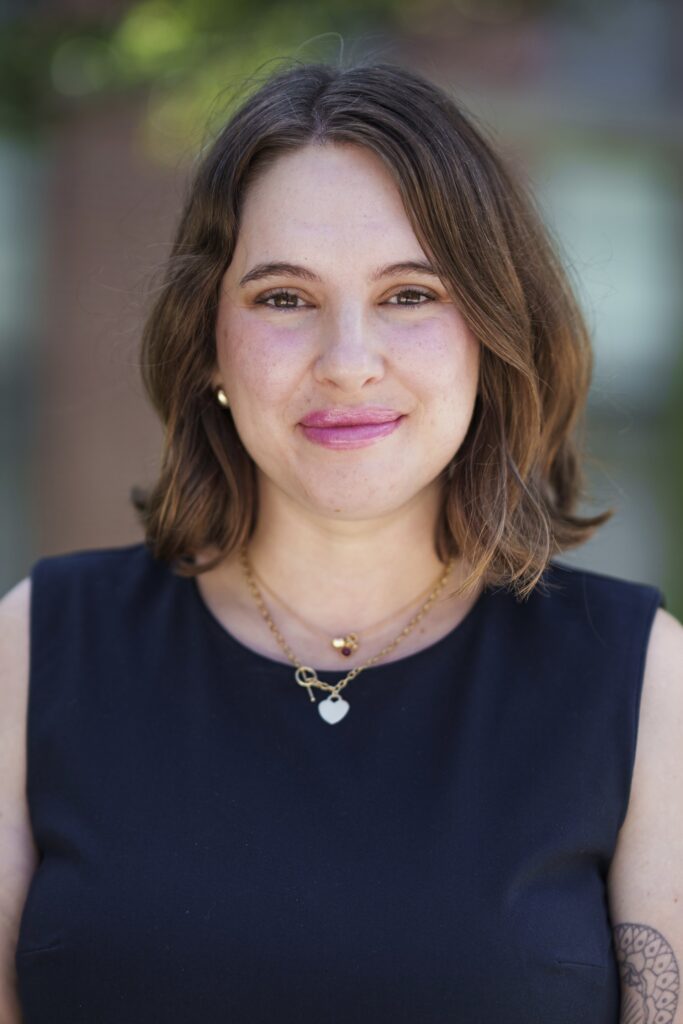
SAMANTHA SCHADE
Graduate Student
Samantha is a graduate student in the MEED Lab studying host–microbe interactions through computational and genomic approaches. Her previous research includes investigating age-related changes in cephalopod statocysts and examining metabolic reprogramming in melanoma at UT Southwestern. These experiences shaped her fascination with genomics and the molecular mechanisms that connect microbial ecology to health and disease.
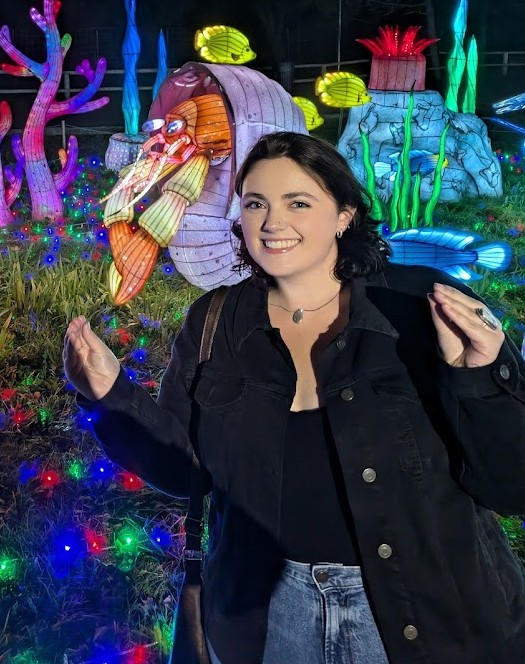
ADRIANNA GEORGE
Undergraduate Student
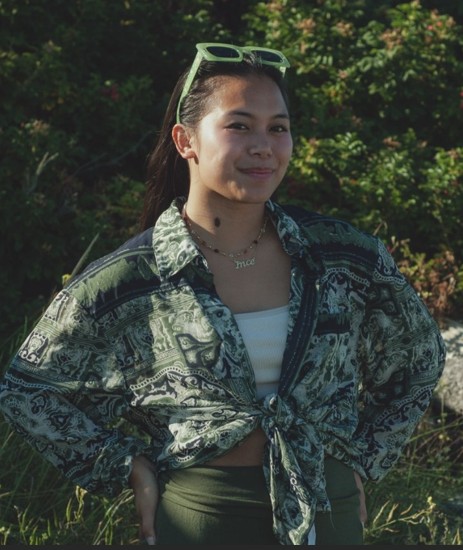
Adrianna is a New Hampshire native with a long family history at UNH. She is studying Animal Science with a minor in Biomedical Science, and hopes to pursue graduate school in the future studying disease ecology at the wildlife-livestock interface. She participated in the tick ecology and pathogen project with a Summer Undergraduate Research Fellowship in summer 2025, and has a mini project of her own studying ticks in Odiorne Point State Park in Rye, New Hampshire! Check out her project progress here:
GENI WHIPPLE
Undergraduate Student
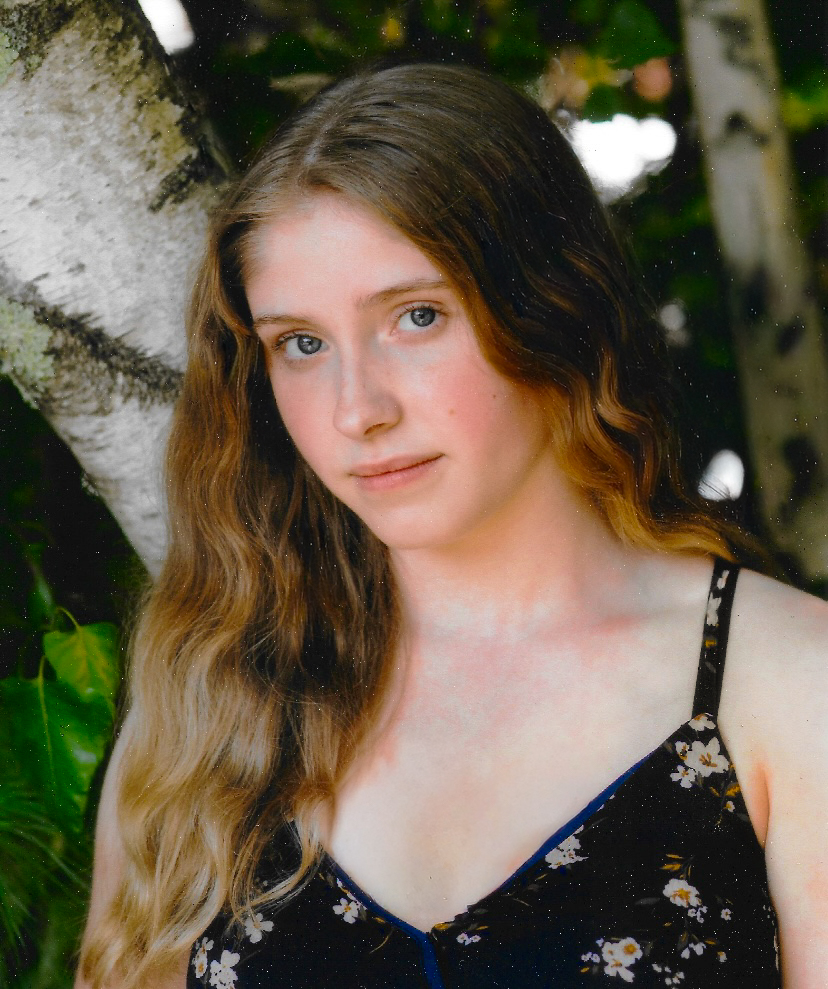
Geni Whipple has a major in Biomedical Science: Medical Laboratory Science and will graduate by May 2026. She is looking to pursue a PhD in Microbiology, exploring host-pathogen interactions and understanding those mechanisms. Her current projects include McNair research under Dr. Kovach, where she is examining the gut microbiomes of New England Cottontail rabbits, and recently with Dr. Needle, understanding the Wellfleet Bay virus and its effects on Common Eiders. Fun fact: My go-to karaoke song is "Someone like you" by Adele.

KAYLA ROYCE
Undergraduate Student
Kayla is an undergraduate pursuing a degree in Animal Science with a minor in Genetics and plans to continue her education through a master’s degree in Bioinformatics. During her undergraduate career, she has gained laboratory experience working in the Histology Department at the New Hampshire Veterinary Diagnostic Laboratory. Building on her background in laboratory and molecular sciences, she has developed a growing interest in genomics, microbial ecology, and disease.
AMANDA DIGGINS
Undergraduate Student
Amanda is a senior Biomedical Science major, veterinary assistant, and aspiring veterinarian. A lifelong equestrian, she has become passionate about addressing the shortage of equine practitioners that disproportionately impacts rural areas of the state. Amanda was
instantly captivated by the puzzle-solving aspect of biomedical research during her time at
NHTI, where she characterized a novel bacteriophage and investigated the cytotoxic effects of equine NSAIDs. Eager to dive deeper into research, she wasted no time getting involved with the MEED lab upon her transfer to UNH. Her veterinary background has made her acutely aware of the impact emerging diseases can have on wildlife, domestic animals, and humans alike, and she is thrilled to be a part of a talented team dedicated to exploring this crucial discipline
ALUMNI

TESSA BAILLARGEON
Undergraduate Student
Tessa was a member of the lab from August 2022 until July 2024. In that time, she graduated with a bachelor's in biomedical science in 2023. She worked on several projects including unknown disease investigations in songbirds and unknown canine respiratory illness, skunk adenovirus in New England wildlife, moose fecal hormone detection and others.
She is currently pursing a master's degree in agricultural science with a focus on amino acids in dairy nutrition at UNH. See her COLSA ANFS Graduate Student Profile here:
MATTHEW FISK
Graduate Student
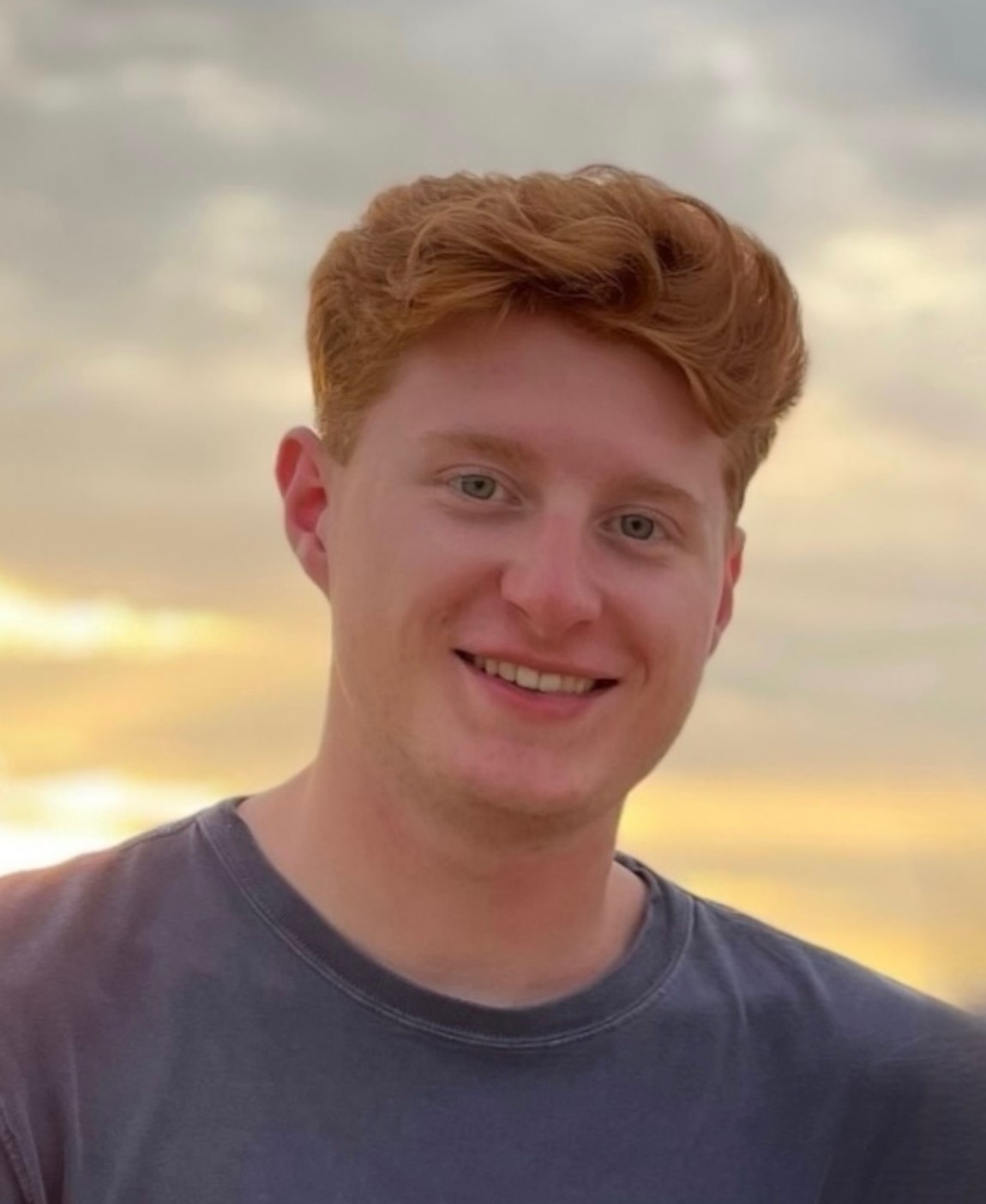
Molecular and Cellular Biotechnology (MCBT) graduate student from East Longmeadow, MA. I worked on the tick pathogen project. Outside of the lab I enjoy swimming, traveling as much as possible, and spending time outdoors.
AIDAN BRENT
Undergraduate Student
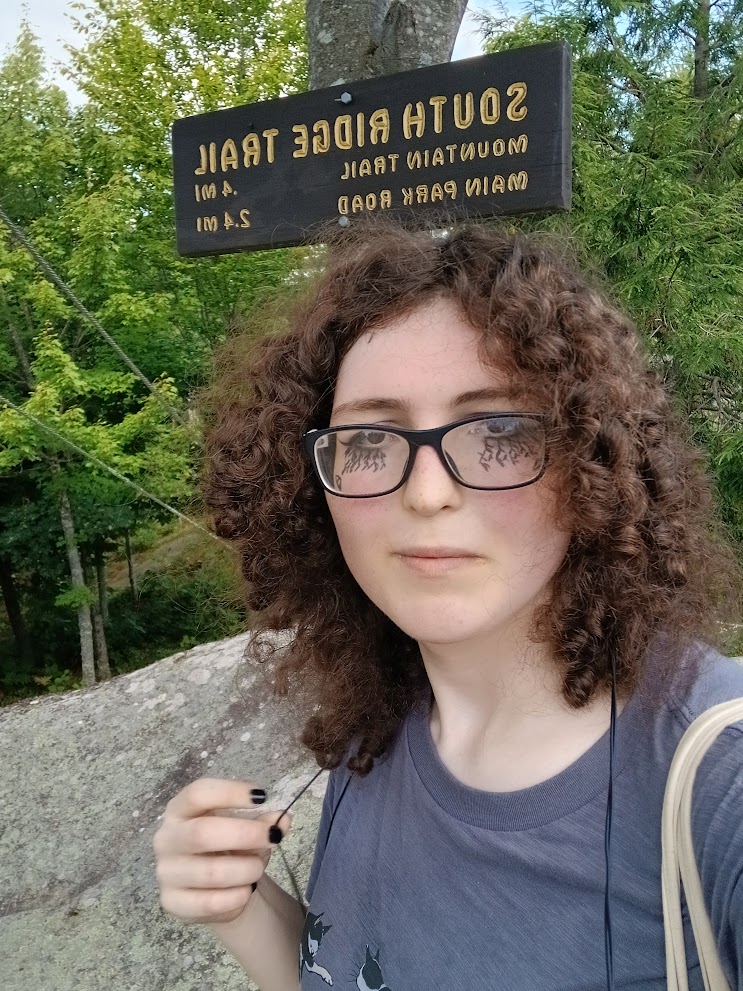
Aidan is a Biomedical science Major hailing from New York City, who worked on the Toad Protist Project. She spends her time outside of work drawing, reading foreign lit and working with reptiles.

CASSIDY GENDRON
Undergraduate Student
My name is Cassidy Gendron and I am a recent graduate with a degree in Biomedical Science: Medical and Veterinary Sciences, with a minor in Nutrition. Since my freshman year, I had gained valuable experience working in the histopathology department at the NHVDL, where I developed transferrable lab skills and a deeper understanding of the One Health Initiative. I traveled through Europe, where I experienced firsthand the agricultural and health benefits of the Mediterranean diet. With a passion for human medicine and a strong foundation in both science and nutrition, I am dedicated to exploring the interconnectedness of health across species and promoting holistic approaches to well-being.