RESEARCH AREAS
COLD REGIONS RESEARCH
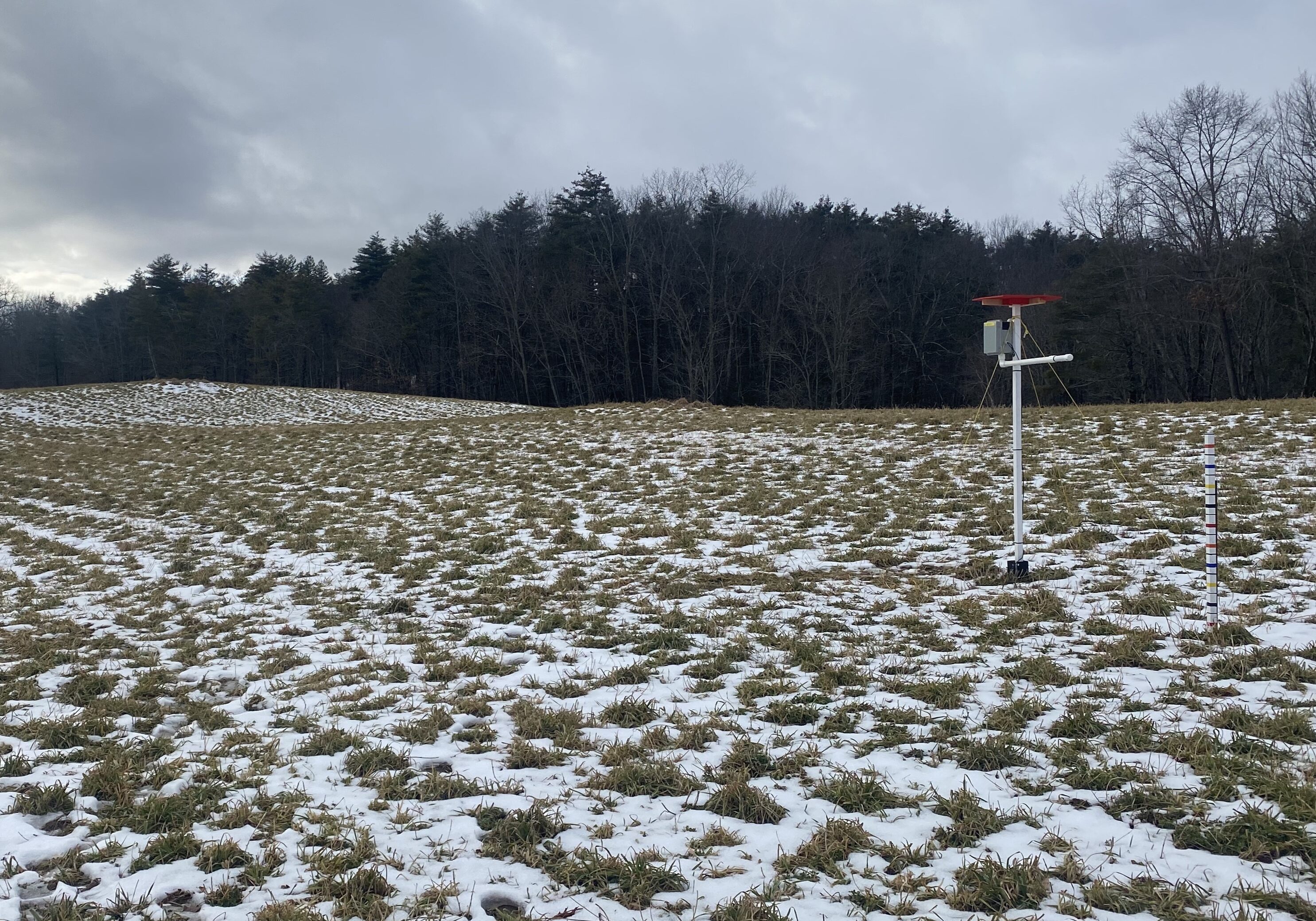
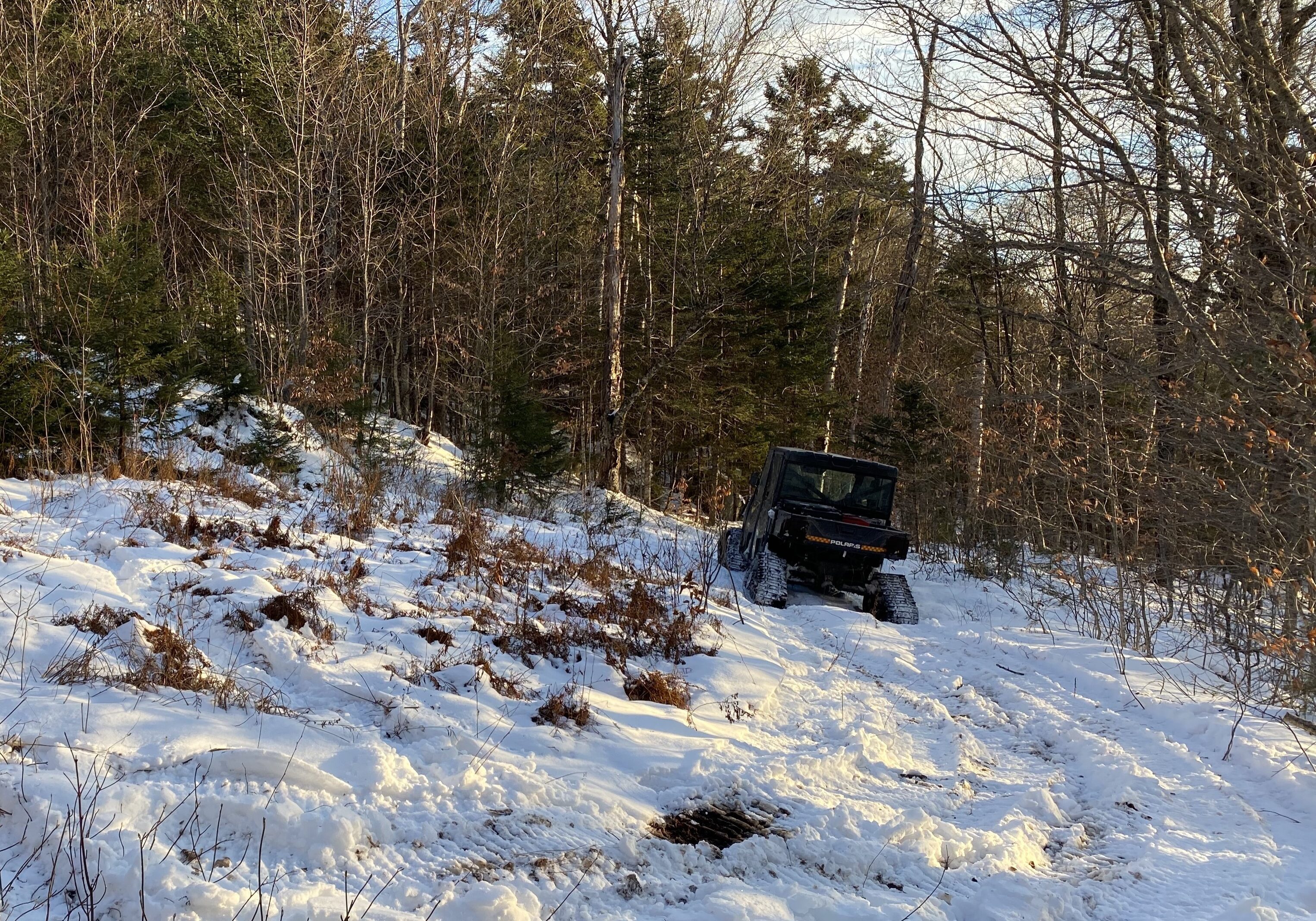
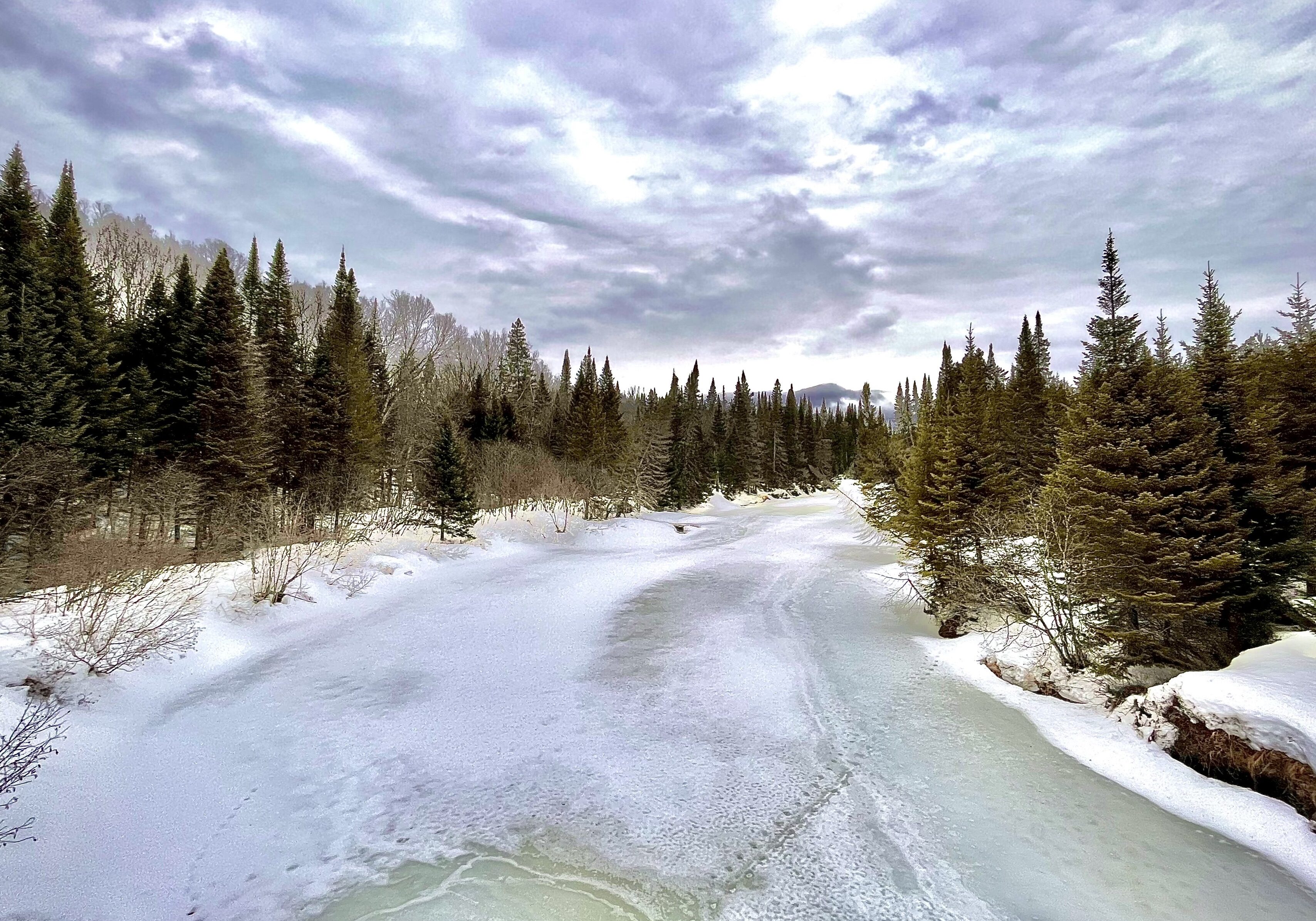
Cold regions are characterized by below freezing temperatures, cold weather precipitation, permafrost, and the formation of sea, lake, or river ice. Billions of people live in regions influenced by winter conditions. Snow and ice impacts range from regulating global climate and energy cycles to supporting winter recreation. Winter is also the most rapidly changing season. Our research focuses on snow and soil freeze/thaw (FT) in regions with seasonal and ephemeral snowpacks. We develop and fly uncrewed aerial systems (UAS) lidar, optical, thermal, hyperspectral, and GPR platforms to observe snow conditions.
OBSERVING SNOW VARIABILITY
Snow persistence, depth, density, and albedo vary tremendously over fine scales, especially when snow is melting. That variability influences local-scale exchanges of energy between the Earth’s surface and atmosphere and is important for estimating snow melt and soil freeze/thaw. We use snow observations from satellite remote sensing (i.e., global scales) and detailed observations via UAS and ground observations to characterize variability and its relationship to local vegetation, terrain, and soils.
SNOW HYDROLOGY
Seasonal snow is relied upon by many communities downstream of mountainous basins for water supply. Furthermore, seasonal snow provides insulating properties and a water source (in spring) that are critical to maintaining healthy ecosystems. The observation of snow water equivalent (SWE) has been particularly elusive, especially in forested regions or areas with shallow snowpacks. We explore ways to improve estimates of snow density and SWE using UAS-based approaches and identify optimal sensing techniques to estimate runoff timing and magnitude at the small basin scale.
SOIL FREEZE/THAW PROCESSES
Seasonal soil freeze/thaw (FT) impact critical hydrological, ecological, and biogeochemical processes in the soil. Changes in winter climate and snow patterns will cause greater unpredictability in the frequency, severity, and duration of frozen ground processes. We investigate spatiotemporal variability in soil FT, interaction between frozen soil and snowpack, and seasonal variability in soil frost using in-situ soil temperatures, soil moisture, frost tubes, GPR, SAR and land surface models.
COLD REGION HAZARDS
In cold regions, abrupt hazards, such as flooding and avalanches, are particularly challenging to monitor. Climate change is impacting the timing and severity of these hazards, making it increasingly important to document and understand these changes. We use UAS to develop high-resolution remotely sensed data in difficult terrain and challenging conditions to monitor these hazards.
COLD SEASON FLOODS
Investigating the causes of historical flood events can improve current and future risk awareness and mitigation. We are improving predictions of the timing and severity of cold region floods including glacial lake outburst floods (GLOFs), rain-on-snow events, and frozen ground flooding.
GLACIAL LAKE OUTBURST FLOODING
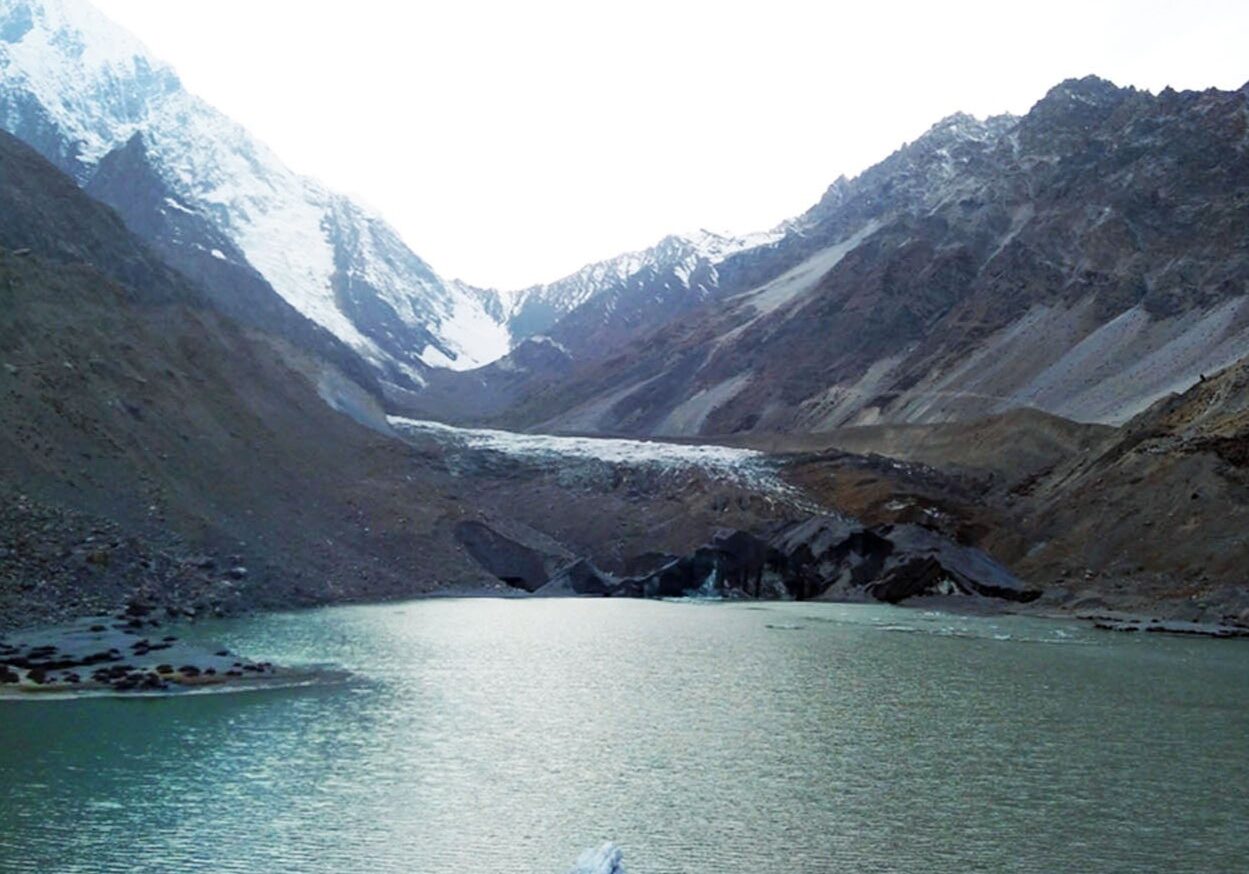
GLOFs are a highly destructive hazard associated with glacial lakes. In the face of climate change, increased formation and expansion of glacial lakes suggests a greater risk of GLOF occurrence in the future. We investigate historical GLOF events to understand GLOF triggers, climate settings, and extent of damage, and use satellite remote sensing to monitor the changing dynamics of glacial lakes and their potential to cause GLOFs.
AVALANCHES
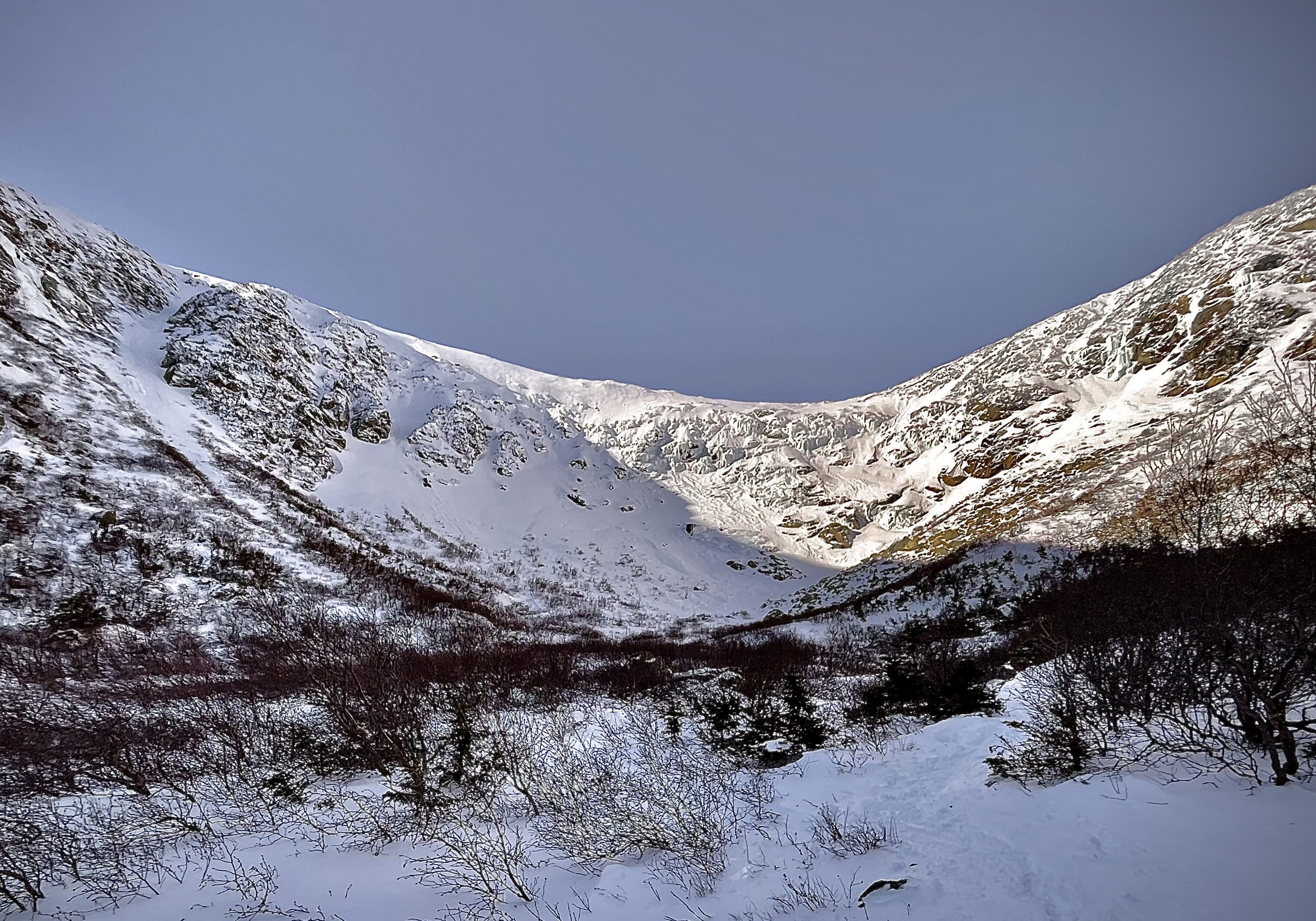
Avalanche occurrences can be difficult to predict due to limited snowpack observations in susceptible areas. Furthermore, complex terrain and severe weather results in unreliable snowpack modeling simulations. We leverage UAS borne sensors to map snow conditions needed to improve models and predict avalanches.
CLIMATE CHANGE
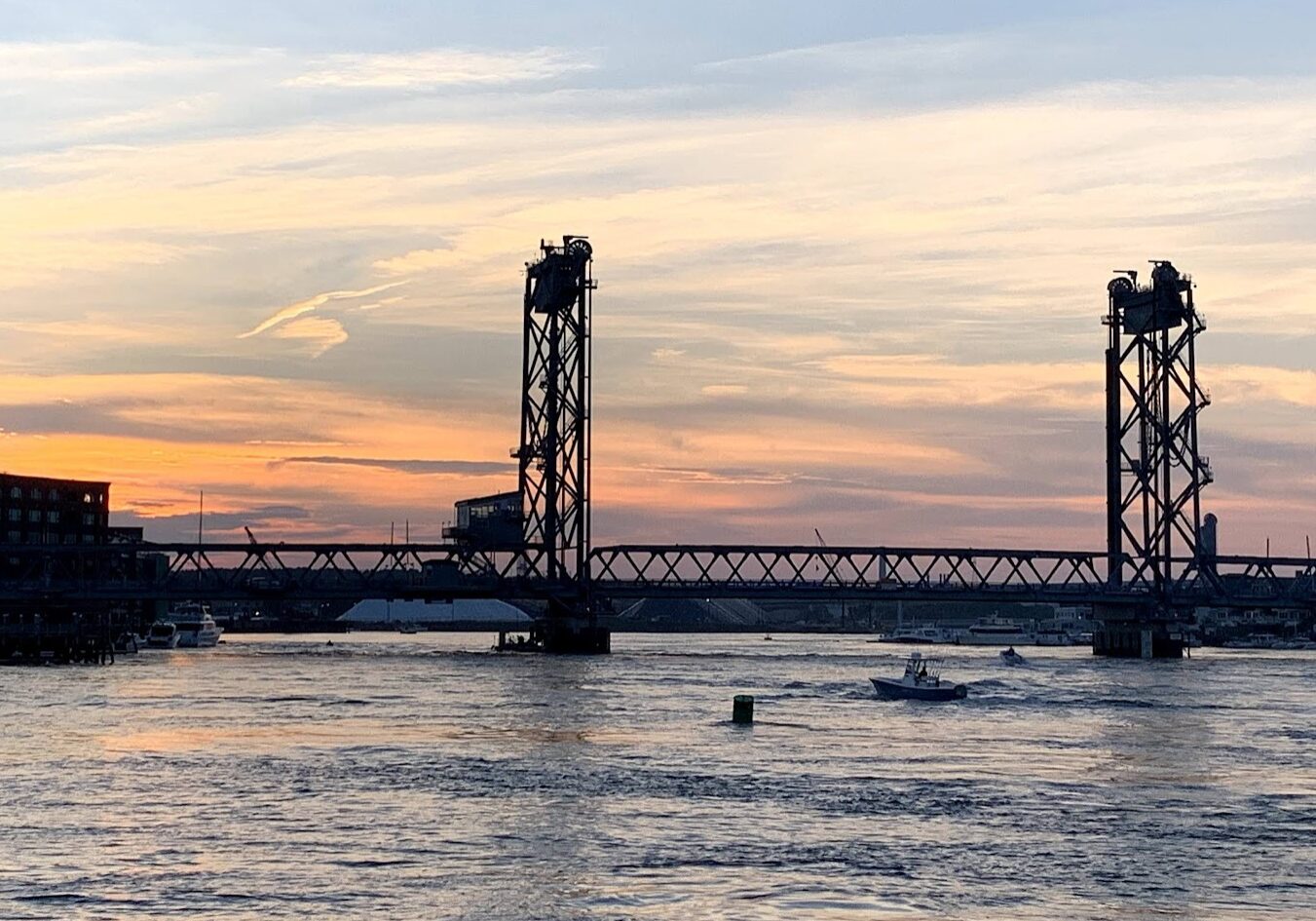
Climate change is one of the greatest challenges of our generation. It undermines the ability of infrastructure to perform reliably and safely with ramifications for economic vitality, particularly for vulnerable populations. Coastal areas are particularly vulnerable due to sea level rise (SLR), storm surge, high tide flooding, and SLR induced groundwater rise.
CLIMATE CHANGE & INFRASTRUCTURE
We work with transportation agencies to understand infrastructure vulnerability and develop strategies to adapt engineering practice. We model high tide flooding and rising groundwater levels and salinity. We develop strategies to protect coastal communities including adaptive management techniques and the use of existing natural and nature-based features.
BEACH PROFILING
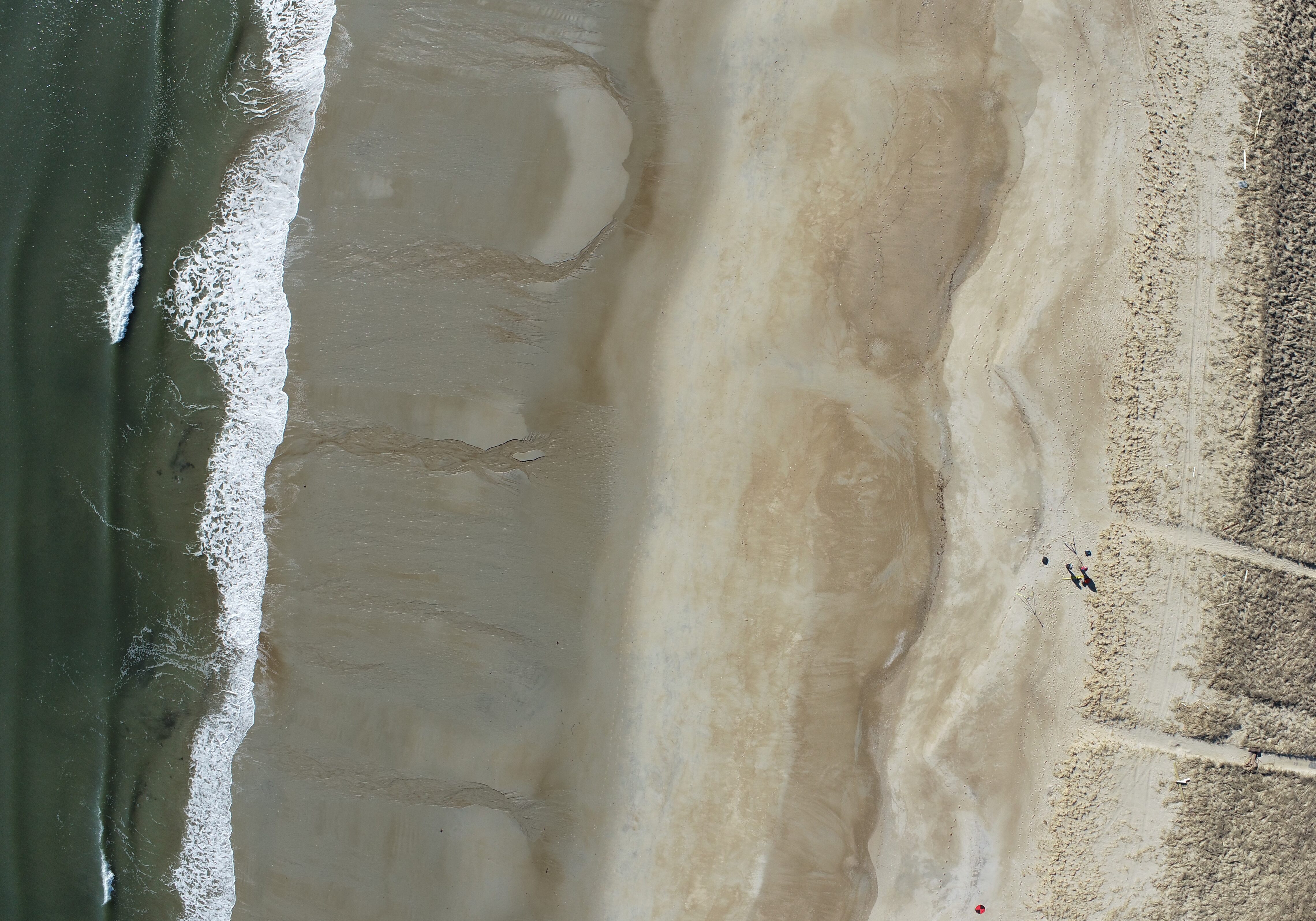
Erosion of beaches and dunes resulting from sea level rise, strong waves, and coastal flooding threatens coastal communities and ecosystems. Monitoring these changes is important for the implementation of appropriate management and mitigation techniques. In collaboration with the NH Sea Grant Beach Profiling efforts, we use UAS approaches to help understand and document changes along the NH coastline.