Read more about our current projects below!
The common theme behind our projects is that each one is focused on finding solutions to real problems for farmers in the northeastern U.S., emphasizing new crops or crop production systems that can fit into diversified farms in our region. Much of our work happens at the NH Agricultural Experiment Station's Woodman Farm in Durham, NH.
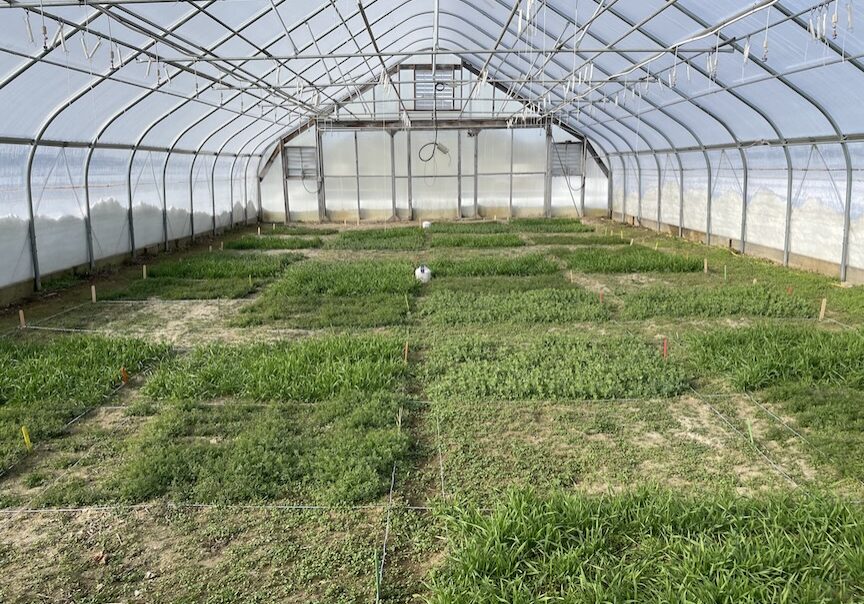
High tunnel cover crops
In collaboration with colleagues at the University of Minnesota, we are studying how well legume cover crops can fit into high tunnel production systems and contribute nitrogen to subsequent cash crops. We're also looking at methods of seeding cover crops to improve stands and reduce seed costs.
Radicchio for all!
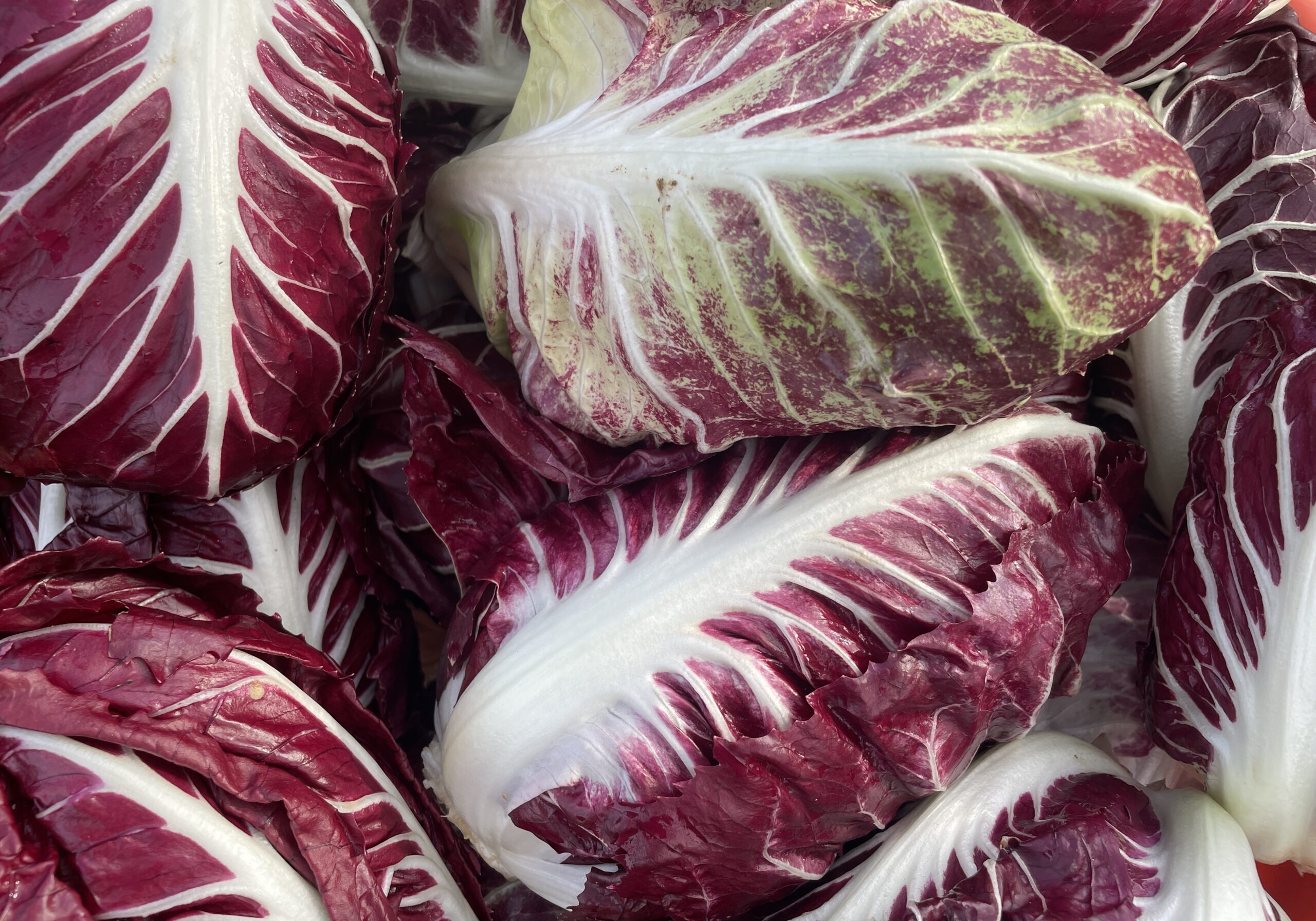
This delicious and slightly bitter Italian vegetable provides crunch and beauty to fall and winter salads. In collaboration with colleages at the University of Maine, we are working to identify types of radicchio, and cultivars within those types, that are well adapted to our climate. We're also exploring the effects of planting date on performance - and the effects of nitrogen fertility on post-harvest storage.
Table grapes
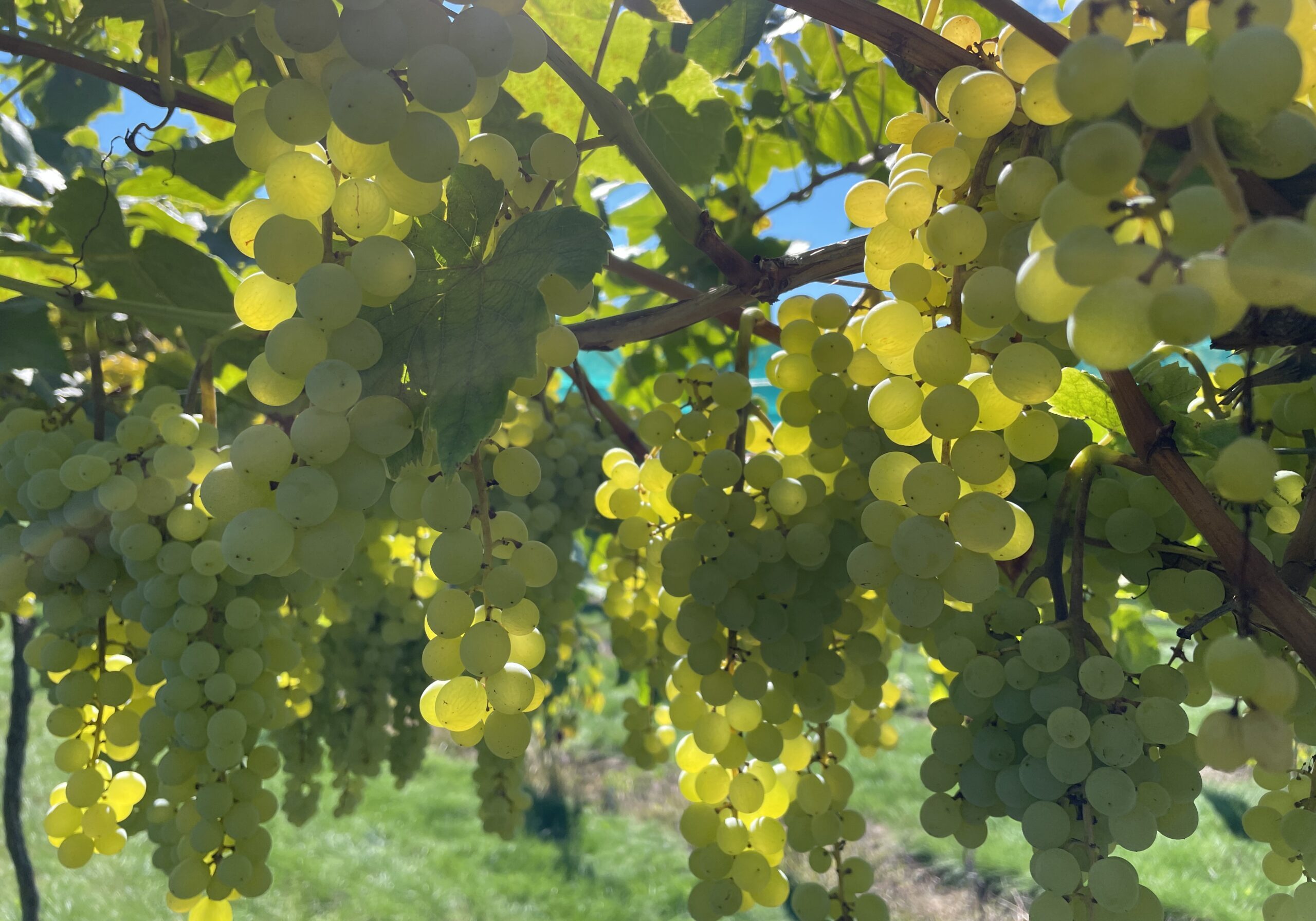
We have been working to identify seedless table grape cultivars that are well adapted to the NH climate. We recently published results of a study that compared several recently released cultivars.
This work is ongoing, as we are now evaluating many newer cultivars that were planted in 2021.
We have also recently been exploring the effects of applying giberellic acid (a naturally-occurring plant hormone) to improve cluster quality for table grapes.
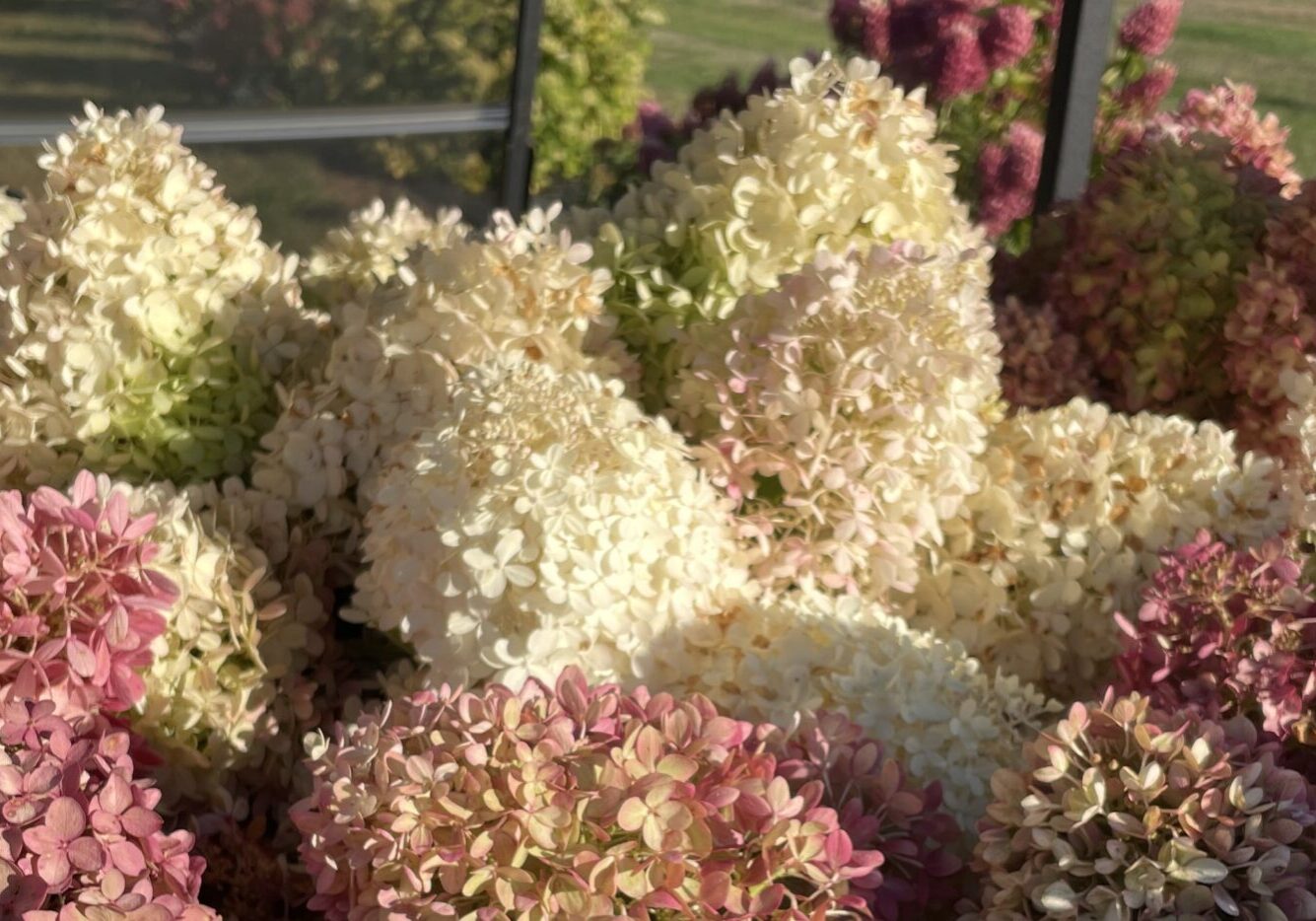
Hydrangeas in the landscape and in the vase...
In 2020, we established a planting of sixteen newer hydrangea cultivars at Woodman Farm in Durham, NH. We are interested in exploring the performance of several cold-hardy Hydrangea paniculata, H. arborescens, and H. quercifolia cultivars as landscape plants and for cut flower production.
We observed big differences in flower production, stem quality, flowering time and duration, among other traits.
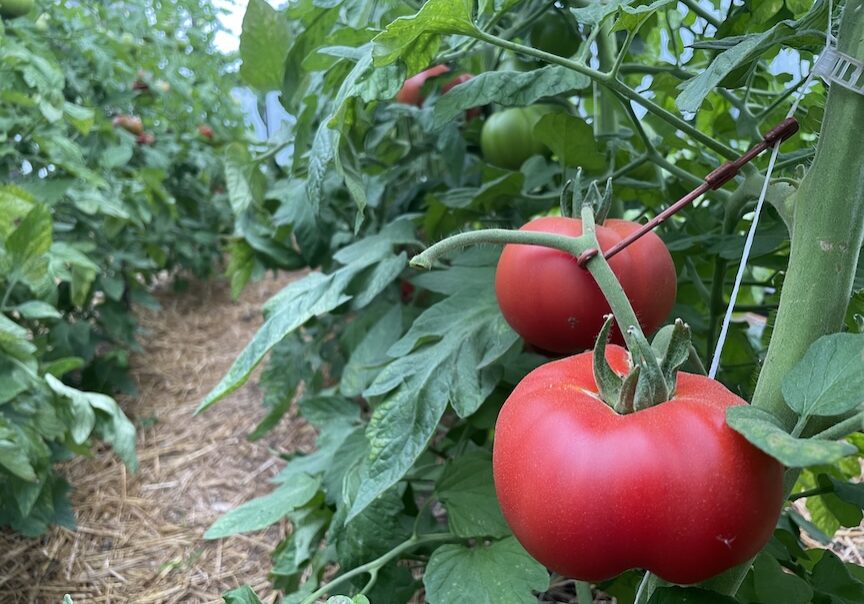
High Tunnel Tomatoes
Tomato is an economically important crop in high tunnels throughout the northern part of the U.S.
We have worked to refine nutrient recommendations for high tunnel tomato, and are currently interested in optimizing plant management to maximize yields and fruit quality. One recent study focused on cluster thinning to attempt to prolong the fruiting season (see report below).
Variety trials
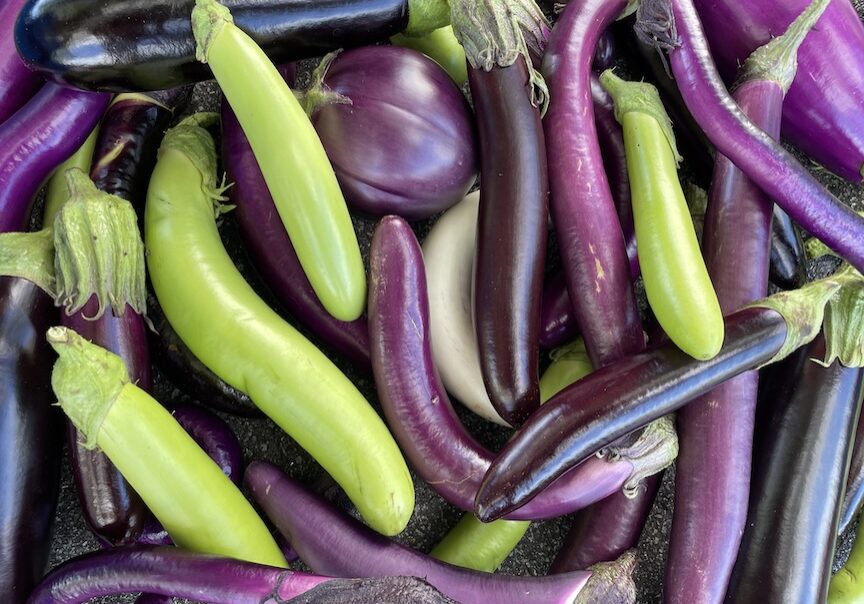
We are fascinated by genetic diversity, and we think it is valuable and interesting to compare varieties of specialty crops to better understand the strengths and weaknesses of cultivars that are commercially available.
In 2025, we conducted experiments to compare over 30 varieties of Asian eggplants planted at different seeding dates - and saw some meaningful differences. This work is continuing in 2026, and we're excited to see what we learn.
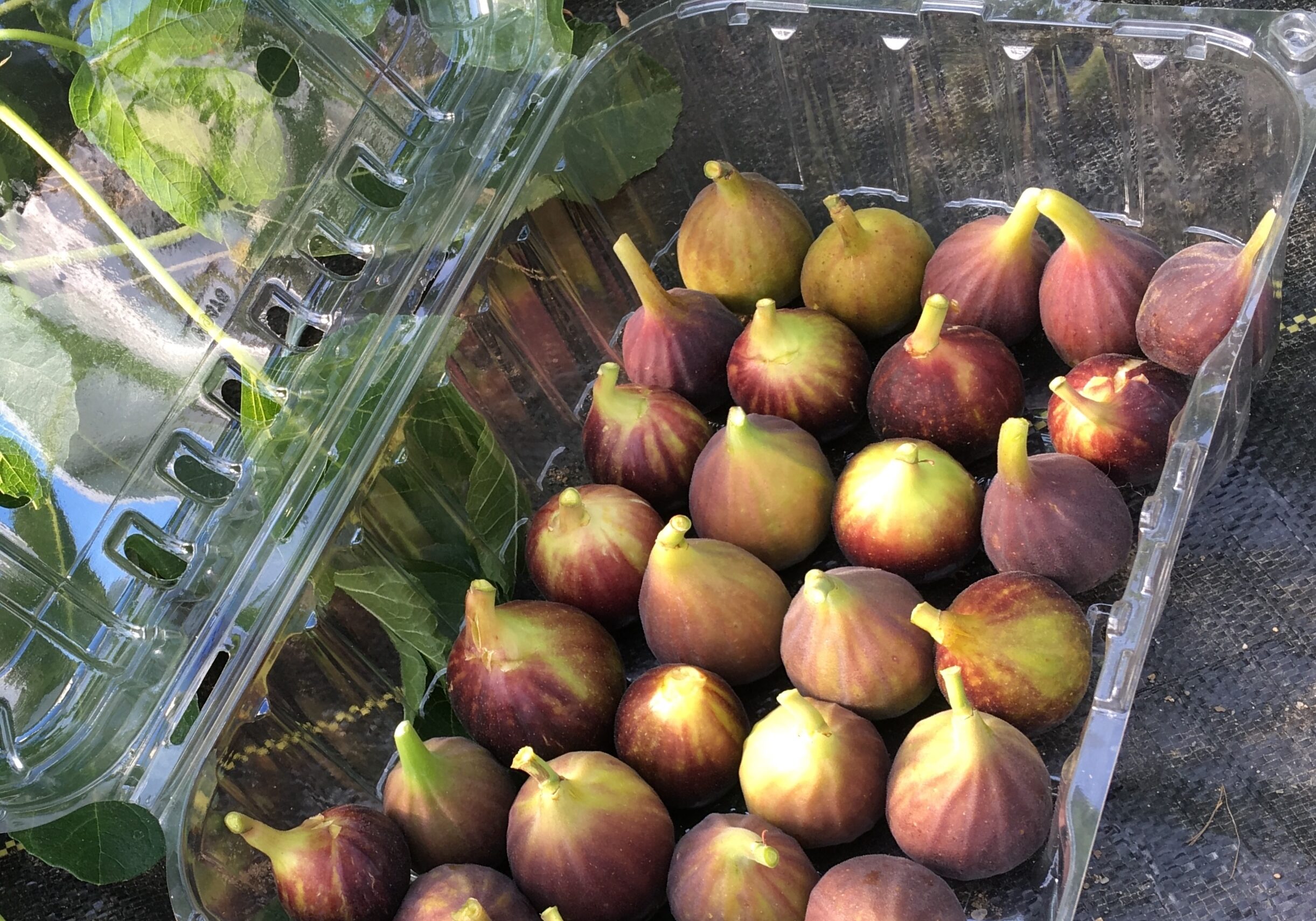
Figs for the Northeast?
We have been studying the potential of fig (Ficus carica L.) grown in-ground in NH. Some initial studies focused on comparing winter protection methods for figs grown in-ground. While figs could survive outdoors when sufficiently protected, an unheated high tunnel with supplemental winter fabric protection provided the most successful results. (See the report below for more details!).
In ongoing studies, we continue to explore which cultivars perform best in this production system.