Research Objective and Approach
Geotechnical engineers are tasked with solving problems encountered at the interface of infrastructure and earth, which involves complex and uncertain coupled processes. These challenges provide opportunities for innovative multi-disciplinary research. The group's research activities specifically aim to address the fundamental understanding of geotechnical systems through physical modeling, novel element scale testing and, adapting and validating constitutive models. The specific focus is on dynamics of unsaturated soils and seismic response of complex geotechnical systems under different mechanical and hydraulic boundary conditions. Also, the team involved in several multi-disciplinary research and collaboration by merging traditional geotechnical engineering and transportation geotechnics, disaster resiliency of infrastructure and social systems, coastal systems, Arctic infrastructure and social systems, spaceborne data, sensor technology, bio-mediated geotechnics, and additive manufacturing systems.
Research Program
The general research themes and interests are:
Static and Dynamic Characteristics of Unsaturated Soil
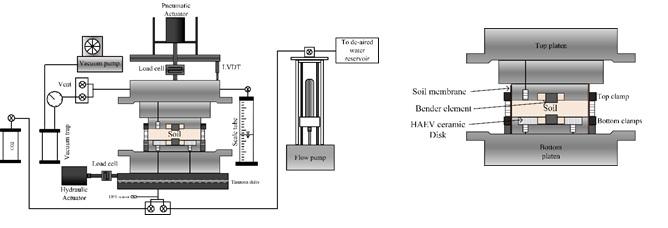
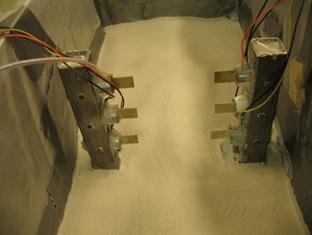
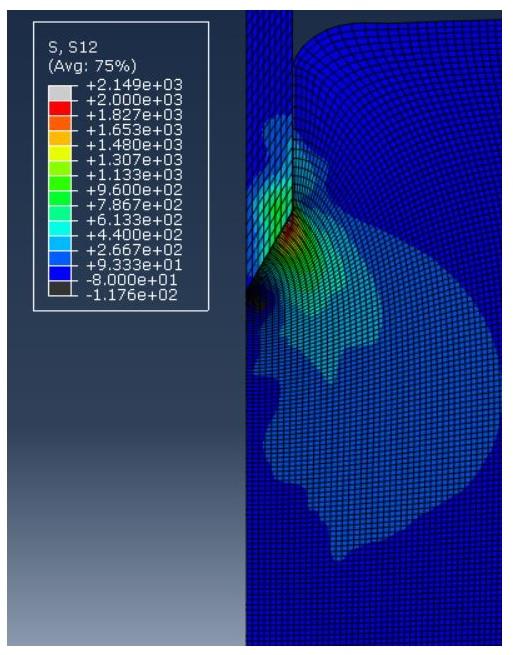
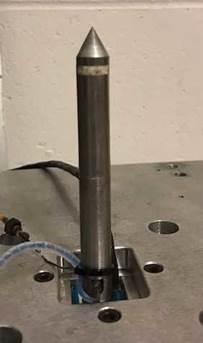
Man-made earth structures such as dams, embankments, retaining walls, landfill cover and liner systems, and pavements above the ground water table are unsaturated. Thus, it is important to characterize the soils in the vadose zone for a range of degrees of saturation under static or dynamic loading. The team use several approaches to investigate these properties: 1) element level soil testing to evaluate small-strain and strain-dependent shear modulus and damping of unsaturated sands including resonant column, static and cyclic triaxial, and cyclic direct simple shear testing; 2) centrifuge tests that incorporate bender element arrays to measure shear wave velocity or miniature piezocone to measure cone resistance in unsaturated sand layers; 3) large displacement finite element simulation with modified constitutive models to estimate the effect of suction and water table on cone resistance. In general, shear strength, shear modulus, and wave velocity increased while damping decreased in unsaturated soil, resulting in stiffer ground response and less deformation in unsaturated soil state.
Seismic Response of Geotechnical Systems with Unsaturated Soils
Given the suction-dependency of unsaturated soil behavior, it is important to look at their response at the system level. Soil systems are often designed by assuming that the soil is dry or saturated, which provides a worst case scenario or conservative approach with respect to shear strength, hydraulic conductivity, compressibility, and stiffness. However, this assumption has been shown not to be true for motion intensity amplification and frequency response. This may impose unexpected seismic demands on surface structures. Also, a better understanding is needed to quantify linkages between the environment and geotechnical structures involving unsaturated soils. As a result, the group's research has focused on the following topics: 1) seismically induced settlement of unsaturated soil layers using centrifuge modeling and element-level testing, and proposing verified empirical methodologies to predict such settlements; 2) seismic site response analysis of partially saturated soils layers both by centrifuge modeling and 1D site response analysis codes; 3) seismic response of pile-supported superstructures in unsaturated sand layers; and 4) seismic soil-foundation-structure interaction in context of unsaturated soils. This is an ongoing area of research that needs further research and investigation.
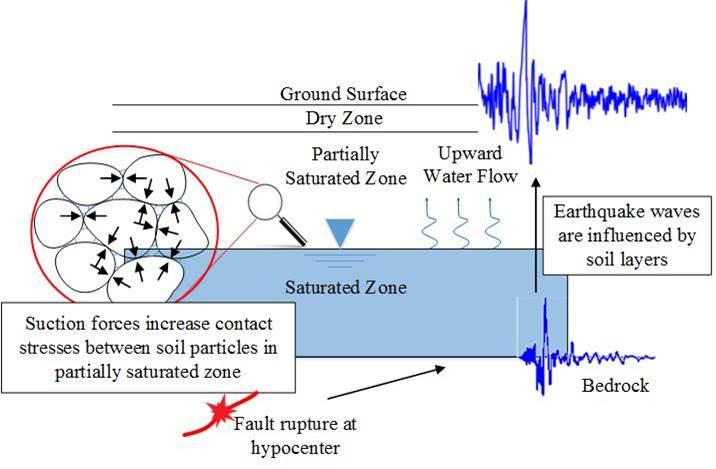
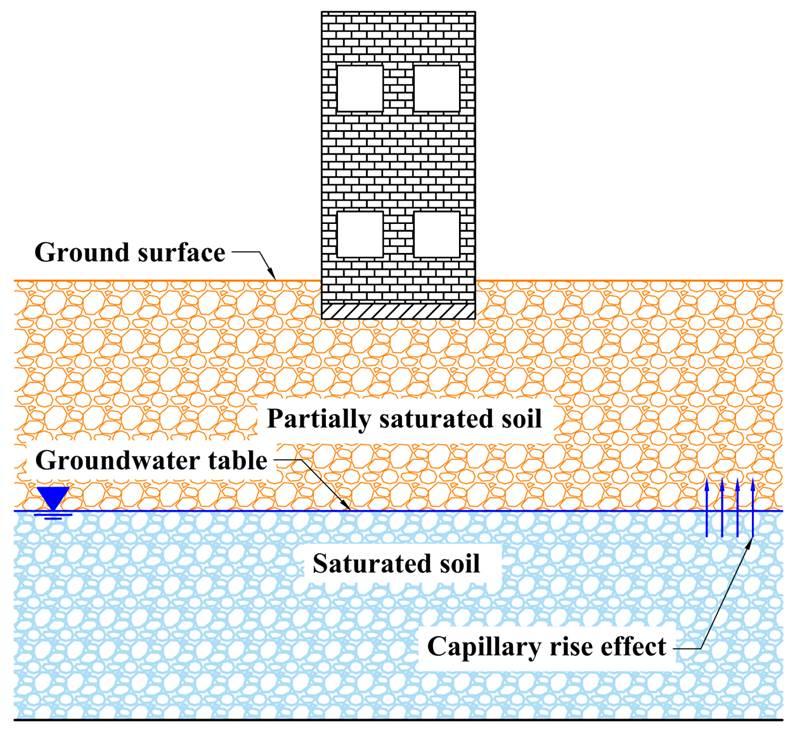
Site Response and SSI in unsaturated soils
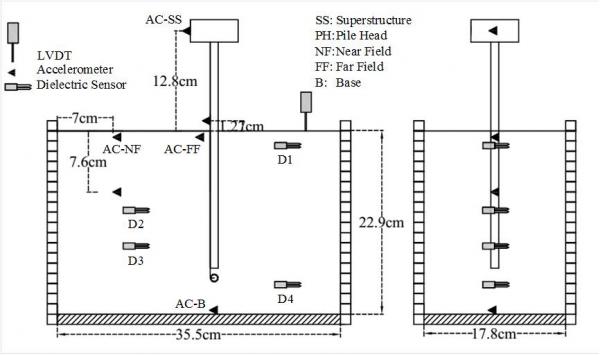
Seismic Soil-Foundation-Structure Interaction
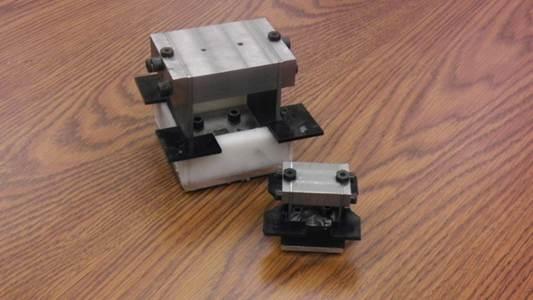
Seismic response of soil-structure systems at their interface is complex. The team has been actively investigating the fundamental aspects of the interaction between soil and structure. These efforts include: 1) centrifuge modeling to study the effects of earthquake motion characteristics on soil-foundation-structure interaction; 2) seismic response of underground systems including both box structures nearby tall buildings and large underground water reservoirs; 3) The restrictions and strategies in evaluating kinematic and inertial interaction.
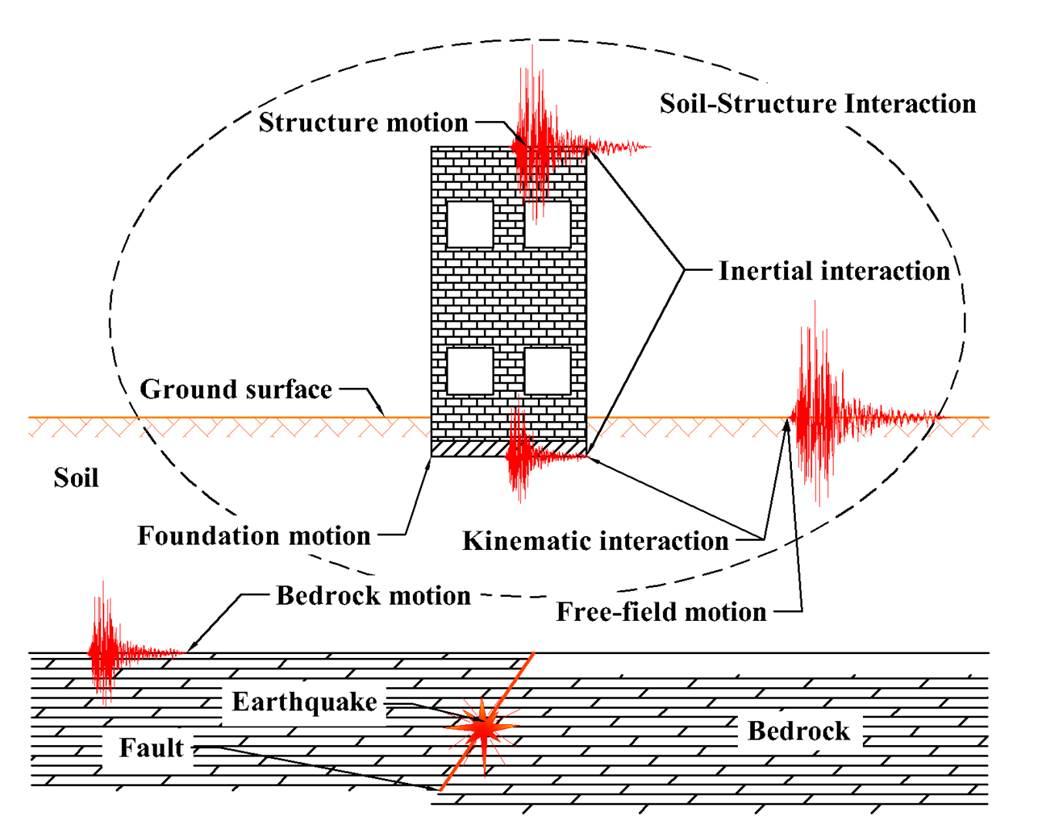
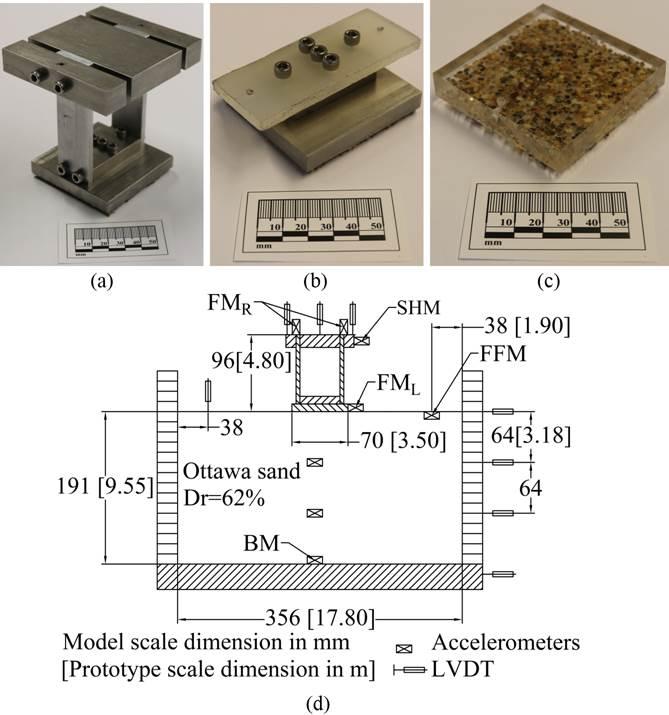
Soil-Foundation-Structure Interaction Modeling
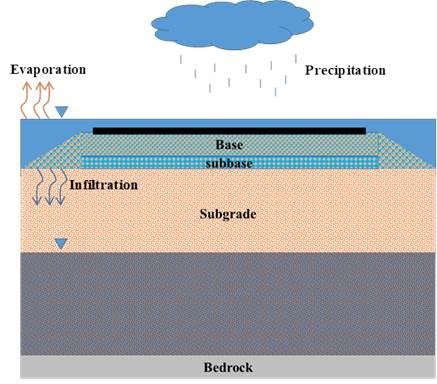
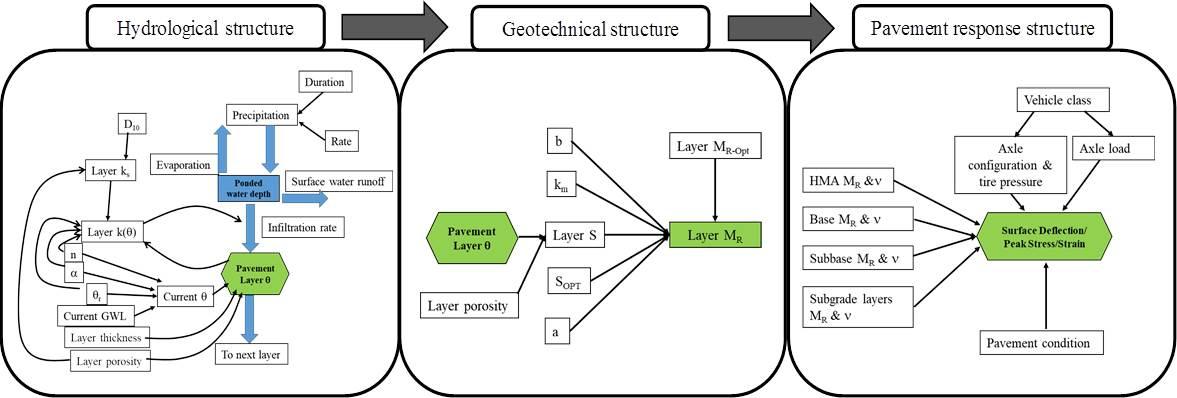
Performance of Pavement Systems with Seasonal Fluctuation of Water Level:
Moisture variability in subgrade soils can influence pavement response under roadways. Reliable evaluation of this response post flooding and through seasonal freeze-thaw can prevent destructive damages to pavement systems. The team has been investigating flooded pavement response and post-flooding pavement performance. In addition, the team is working to develop a mechanistic seasonal load restriction protocol after excessive moisture in roads.
Bio-Mediated Soils
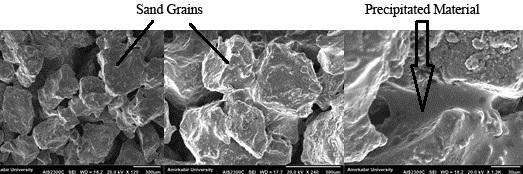
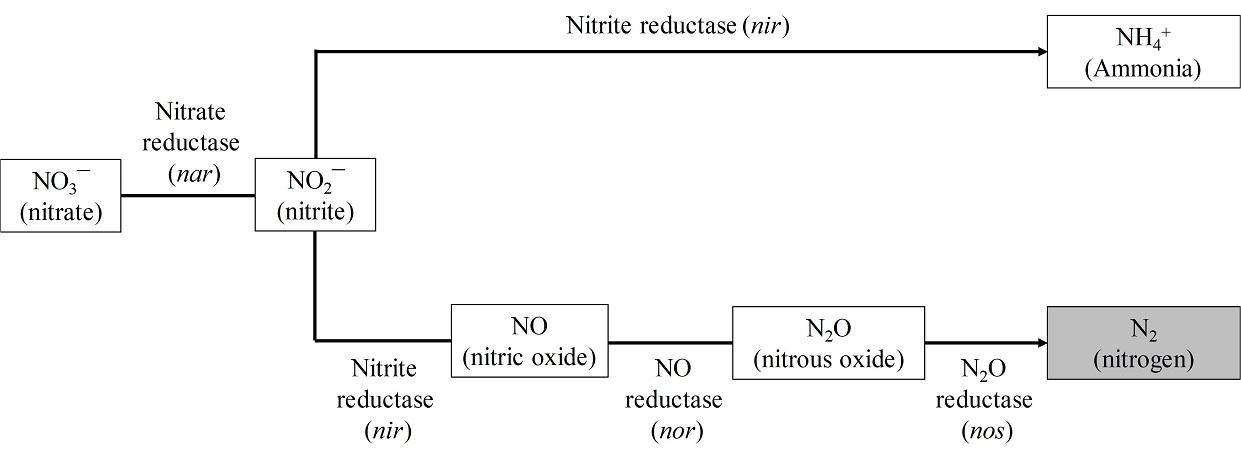
Application of microbial treatment for soil improvement gained much attention in recent years. The team pursued two microbial processes: 1) Microbially Induced Calcite Precipitation (MICP) for soil improvement through bio-cementation; and 2) Microbial Induced Partial Saturation (MIPS) through bio-denitrification for soil desaturation and liquefaction prevention, especially in the context of unsaturated soil mechanics.
Physical Modeling of Geotechnical Systems
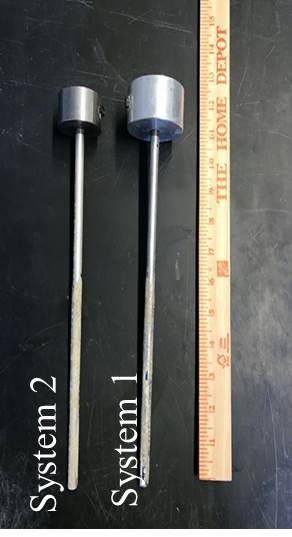
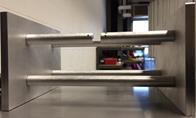
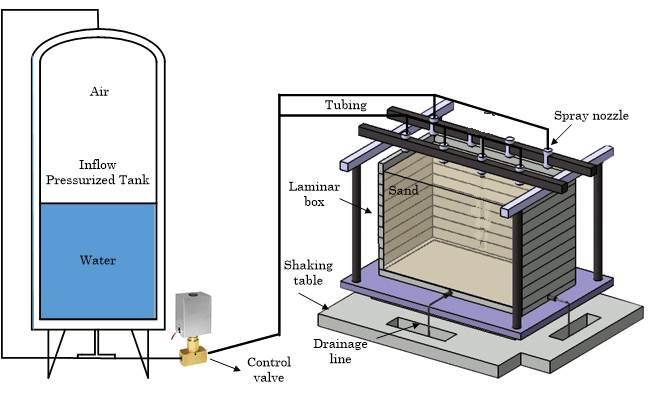
The research team has physically modeled different systems both at 1-g and using the geotechnical centrifuge including: 1) active foundation isolation; 2) developing a new steady-state infiltration procedure for centrifuge modeling and studying the suction and water retention scaling; 3) generating benchmark site-response data for verification of numerical models; 4) design and construction of transparent flexible shear beam container; 4) adapting tactile pressure sensors for seismic models in geotechnical centrifuge; 5) renovation and re-operation of the centrifuge at UNH; 6) modeling shallow temporary retaining structures; 7) and investigating two-stage scaling in centrifuge for modeling large prototype systems.
 Coastal Resilience and Sediment-Flow-Structure Interaction
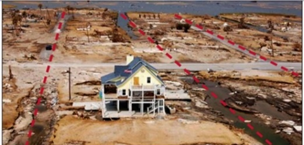
Coastal Flooding has caused major disruptions to infrastructure and societies. The resiliency of coastal infrastructure is being evaluated by investigating 1) the impact of extreme scour around coastal foundations; 2) behavioral theories and modeling complex infrastructure-human interactions.
Arctic Seismic Resilience
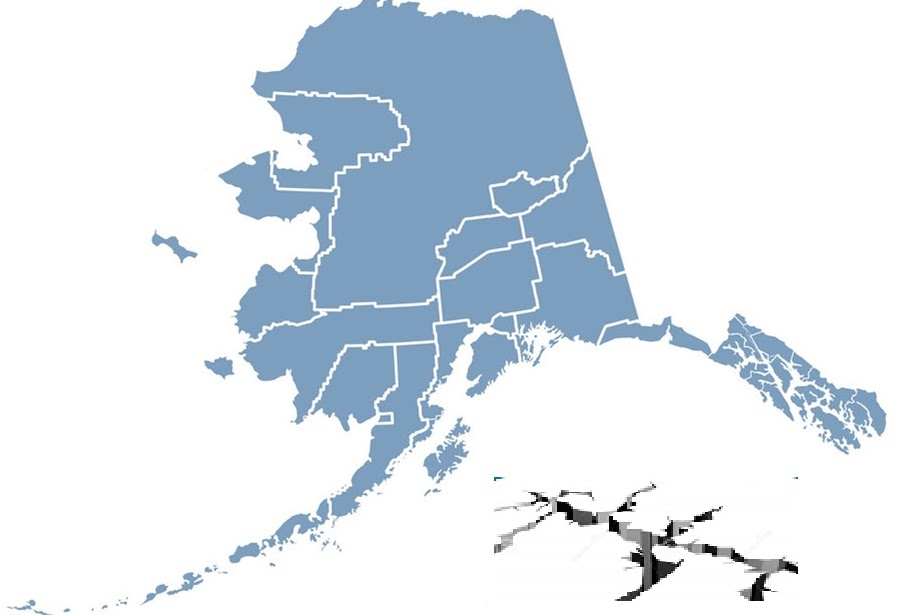
Given the accelerating environmental, ecological, and social changes as the Arctic climate warms, including changes in soil properties, it is critical to understand how infrastructure and society respond to seismic events. Seismic assessments of infrastructure, post-earthquake recovery, and future planning must simultaneously consider natural environment, built infrastructure, and social systems. Resilient infrastructure linked with social systems is crucial to the state of Alaska and beyond, which will impact the regions' economic competitiveness, national security, and residents' safety and health.
Permeability Evolution in Fractured Rocks
Proppants play a critical role in design and optimization of hydraulic fracturing of low permeability, hydrocarbon-rich formations. Thus, it is important to investigate the conductivity evolution and the frictional response of proppant-filled fractured rocks under simultaneous loading.
Funding and Support
The PI and the research team have collaborated with different institutions and individuals. The funding and support for these research were provided by different sources as listed below and these supports are appreciated.