
A Letter from the Editor:
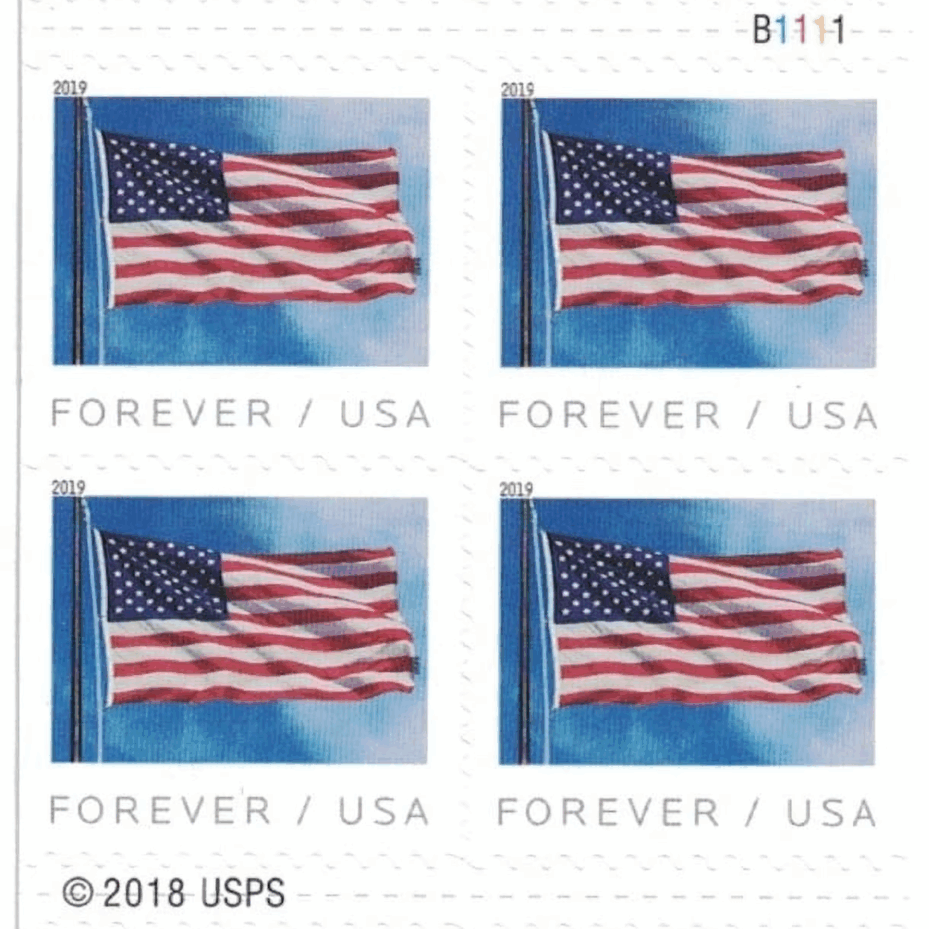
“I hope this letter finds you well,”: The Good Life Through Letters 1940s-1980s
This piece explores the importance of stationery and letter writing in maintaining family connection across distance and time. This essay uses the Sinclair family papers which show how letters from Clayton Sinclair junior and Clayton the third preserved relationships, personal growth, and created a tangible record of their family history. Ultimately this piece argues that even as technology has changed, handwritten letters represent effort, emotion, and a main connection as part of “the good life”.
An Analysis of Setting –State Theatre at Thompson’s Point
This piece analyzes Thompson's point in Portland, Maine to be a meaningful community shaped by music, public gathering, and local history. It explains how the venues physical design, restored pavilion, local food trucks, waterfront location, affordable concerts, and free seasonal events reflect the value of the State Theater and the broader main community. This essay shows Thompson's point as more than just a concert venue but presenting itself as a place that celebrates local culture, accessibility, and connection.


Do We Even Know What ‘Even’ Does? A CA Investigation
What does “even” do in conversation? This study shows that when used mid-turn, “even” functions as a systematic device for intensifying stance. Analyzing naturally occurring interactions, I demonstrate how speakers use “even” to upgrade assessments, noticings, and complaints, making them more extreme or noteworthy. Recipients consistently orient to this intensification through agreement, accounts, or escalation. Even when the upgrade is left incomplete, others step in to realize it, showing that the practice is collaboratively achieved. These findings position “even” as a key but previously overlooked resource for organizing social action in talk.
Pinterest’s Architecture and Algorithm
This piece looks at how Pinterest’s San Francisco headquarters and digital platform communicate the company's identity. It explains how the renovated building, central atrium, and knitting stairs create a sense of openness, collaboration, and creativity. The essay also connects Pinterest’s physical space to its algorithm, showing how both guide users and employee behavior while still appearing open and self-directed.


Encouraging Fitness Activity for Women in United Kingdom – How the This Girl Can Organization Tackled the Gender Activity Gap
This paper offers and analysis of the Sport England public relations campaign entitled This Girl Can, detailing the PR strategy of the organization and campaign from the initial market research to the post-campaign efficacy analysis. This Girl Can is examined using historical and cultural scholarly sources with a critical communication lens to prove that not only was it a campaign whose mission and goals were met successfully, but that it's model can be used as an example of a communication campaign being implemented for good.
How the Word 'Fucking' Constructs Emotional Stance in Conversation
This piece uses conversation analysis concepts to examine what the word 'fucking' does in everyday conversation and how it conveys the emotions and stance of the participants. It examines 4 real-life cases of 'fucking' being used, demonstrating how it changes the meaning of the utterance and therefore the course of the conversation.


Worlds Within a City: How Duke University’s Setting Constructs Institutional Identity
This piece explores how Duke university's campus setting shapes its public image and institutional identity. It explains how the university's landscaping, architecture, Chapel, interior and exterior spaces, and controlled access create an atmosphere of prestige, tradition, exclusivity, and academic authority. Furthermore, this essay shows how Duke's physical environment separates it from the surrounding city and functions as a powerful public relations tool.
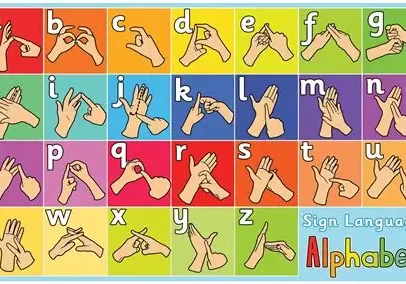
Language Deprivation In Deaf Children
This piece examines how language deprivation affects deaf children when they don't necessarily receive early access to natural language, especially during the most critical developmental years. It further explains how the medical model of deafness, reliance on cochlear implants or hearing aids, schooling, and limited sign language access can negatively impact the emotional, social, and academic growth of these children. This piece argues that early access to sign language and deaf centered support is essential for preventing language deprivation and helping deaf children fully develop.

A Brief Analysis of Setting
This piece examines how the setting of North Country climbing center reflects the organizations casual, welcoming, and community focused identity. It describes the Jim's hidden location, flexible layout, movable seating, climbing spaces, and relaxed atmosphere as parts of the space they encourage visitors to stay, connect, and climb with one another. This essay shows that even with minor accessibility and maintenance issues, the gym setting supports a strong climbing community.
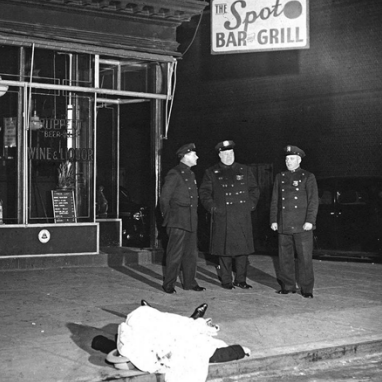
Conventions of Photography as Means of Social and Technological Critiques
This piece looks at how photography can be used as a form of Social and technological critique. Through Mark Peterson's ICE’s Spectacle of Intimidation and Jack Latham’s Beggars Honey, this essay argues that photographers can manipulate composition, technology to create deeper meanings about power, style, social stage agency, immigration enforcement, and modern digital manipulation. Ultimately, this writing piece shows how photography depends on audience context and literacy to be fully understood.
Our 2026 Staff
Ruby Prentiss- Editor in Chief
Madeline Riechers- Digital Design, Editor
Sophia Titone- Staff Editor, URC Presenter
Rebecca Insley- Staff Editor, URC Presenter
Sophia Lorom- Staff Editor
Prof. Michael Jackson- Faculty Advisor