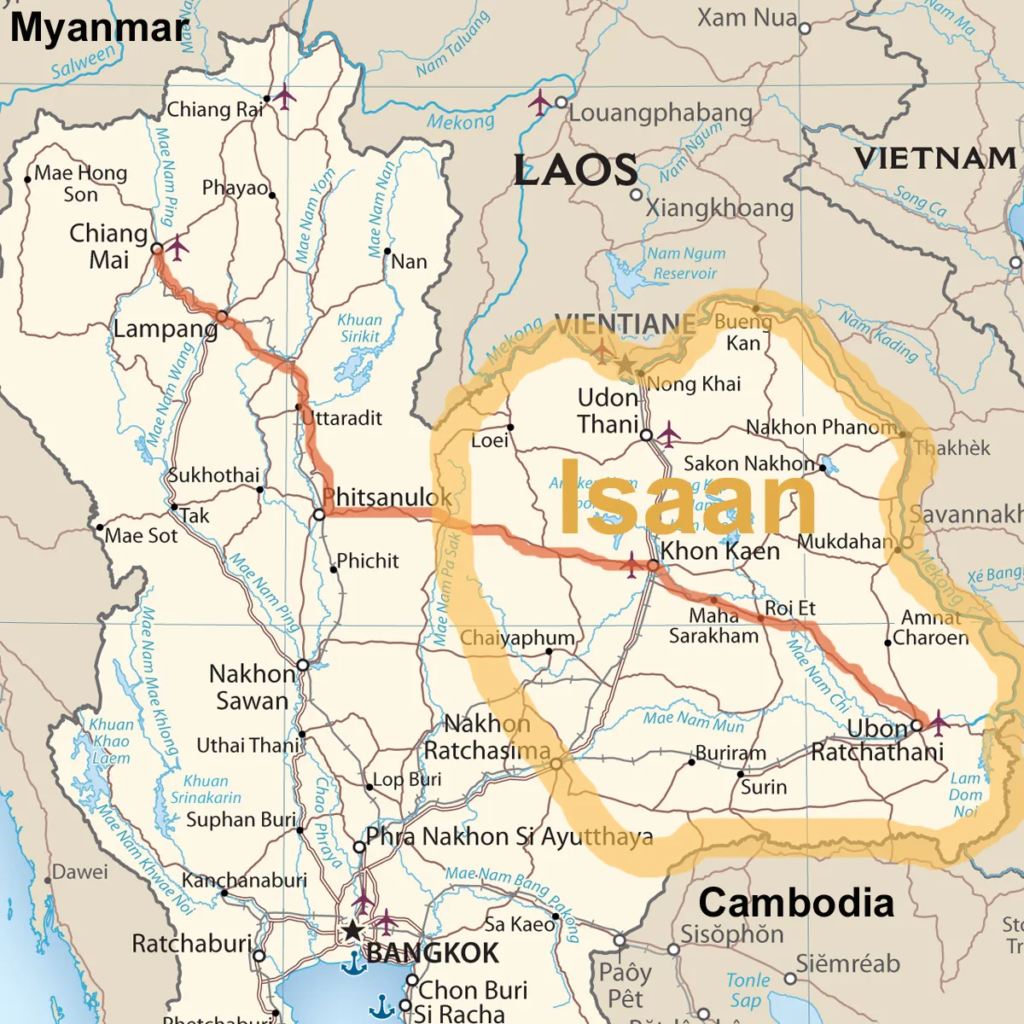
Isan is a region in northeastern Thailand that is known for its unique customs, rich cultural heritage, and landscapes. Isan gives an authentic look into traditional Thai life, far from the busy crowds of Bangkok and the popular beaches of the south. Here is an in-depth look at what makes Isan so distinctive for people who want to visit an area that isn’t often traveled to.
Culture
Isan has a distinct culture from the rest of Thailand because of its blend of Thai and Lao influences. The people who live there speak Isan, a dialect that is closely related to Lao, and a large portion of their lifestyle is based on customs that have been carried down through generations. Isan residents are known for their welcoming nature. With rice fields and tiny villages dominating the landscape, many have farming backgrounds. Visitors frequently learn that family and community are essential to every day life in Isan. There is always something going on that connects people, whether it is a temple gathering or a community festivities.
Flavors and Cuisine
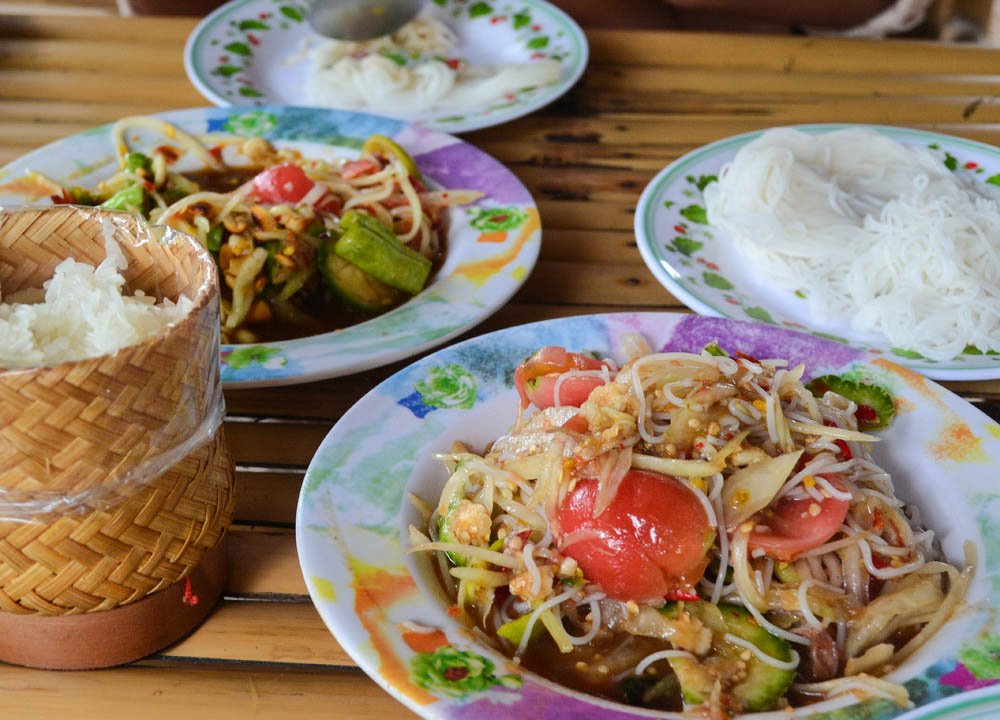
When it comes to food, Isan is known for its strong, hot flavors, with dishes that feature unusual ingredients, strong sauces, and fresh herbs. Som Tum, a refreshing papaya salad that’s both spicy and filling, is one of the most well-liked dishes. Som Tum’s ingredients, which include fish sauce, green papaya, tomatoes, and chilies, can make it anything from mildly spicy to extremely hot. Larb, a spicy minced meat salad made with pork or chicken, herbs, ground rice, and lime juice, is another traditional Isan dish that is frequently eaten with sticky rice.
https://live-less-ordinary.com/best-som-tam-papaya-salad-thai-thailand
History
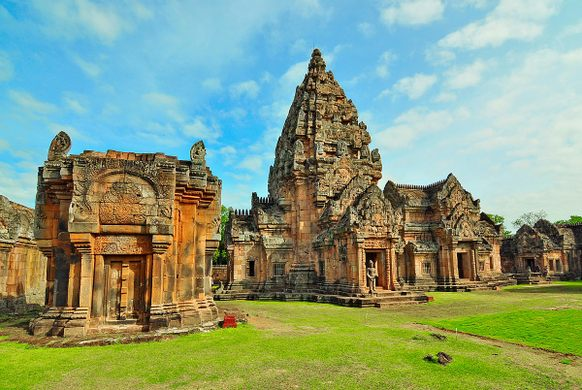
Ancient empires and interactions between cultures have shaped the rich diverse history of Isan, in northeastern Thailand. Isan’s Hindu and Buddhist heritage can be seen in the Khmer-style temples like Phanom Rung, which were built during the Khmer Empire’s 9th–15th century influence.
With evidence of early metalwork and pottery, archeological discoveries at Ban Chiang show that Isan was a part of a sophisticated Bronze Age civilization. Later, the region was influenced by the Kingdom of Laos, which introduced Lao language and culture, which are still practiced today. Buddhism developed as the main religion in Isan, especially through the growth of forest temples that prefer simplicity and meditation. The dialect, food, and music of the Isan people have helped them preserve their distinct identity despite their lack of economic development.
https://www.atlasobscura.com/places/phanom-rung-historical-park
Why you should visit
Even though Isan doesn’t have the same vibrant nightlife or popular tourist attractions as other regions of Thailand, its authenticity is what makes it so alluring. Here, tourists can experience the welcoming atmosphere of a community-driven area, sample some of Thailand’s richest flavors, and fully involve themselves in the culture.
It’s best to take your time visiting Isan so you can fully appreciate its natural beauty. Although Isan and Bangkok are connected by buses, trains, and airplanes, having a car gives you more freedom when visiting smaller cities and points of interest. November through February are the ideal months to go because of the milder weather and more comfortable outdoor activities.