In Thailand, elephants are recognized as animals with cultural and economic value. They have been rooted in Thai culture for centuries and are seen as symbols of strength, power, and intelligence. However, as their historical uses in logging and combat have made way to preservation and tourism, elephants’ role in Thailand changed, especially in recent decades.
Historical Significance
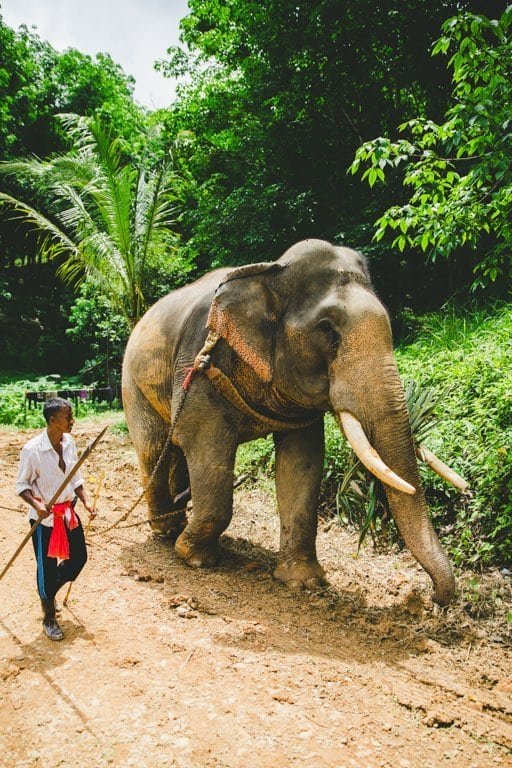
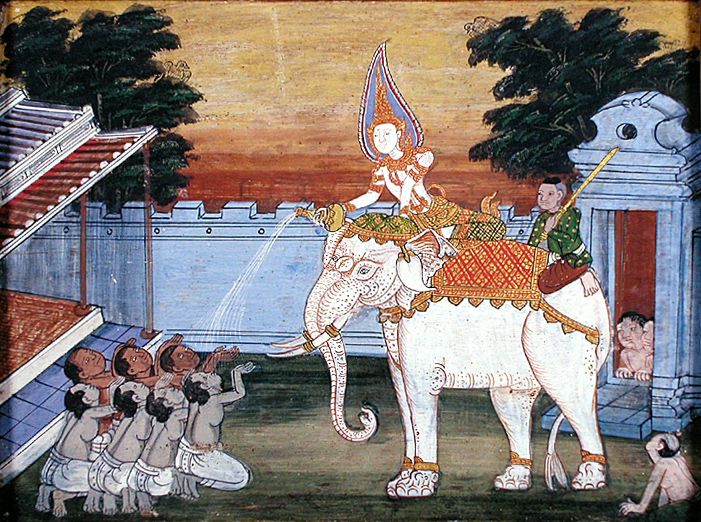
Elephants have long been important to Thailand’s military and the wealthy. With kings and generals traveling into battle on the backs of them, they played important parts in combat. Especially, the white elephant came to symbolize the monarchy and was often regarded as a sacred animal. Kings got status and showed the power of their rule by owning white elephants.
Elephants also played a crucial role in Thailand’s 19th and 20th century logging industry. Because of their strength and intelligence, they were perfect for moving large logs from deep forests. But after logging became illegal in 1989 because of worries about deforestation.
Tourism
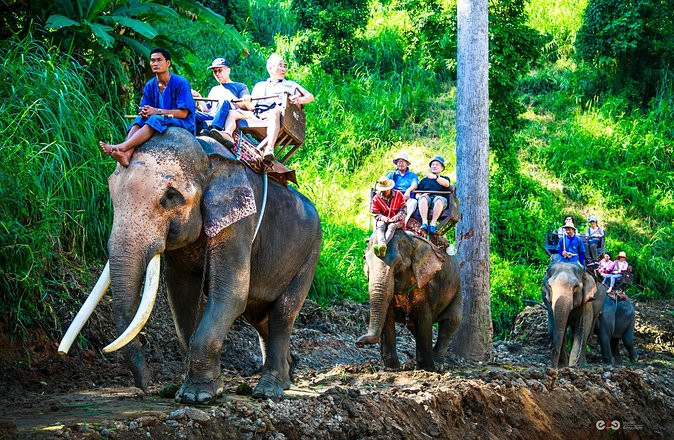
Across the country, elephant camps and sanctuaries formed up, giving visitors the chance to ride and interact with elephants. After the end of the logging era, this change was seen as a means of helping elephants. Some elephant tourism businesses are ethically correct and prioritize the health of the animals, but others have come under fire for abusing the animals. Elephants are sometimes brutally trained and made to carry tourists for a long amount of time or perform tricks. Luckily, sanctuaries that put elephants’ freedom and health first are rising in popularity.
https://www.viator.com/tours/Chiang-Mai/Elephant-Ride-and-White-Water-Rafting/d5267-16332P7?dd_referrer=https%3A%2F%2Fwww.google.com%2F
Future of Elephants
The public awareness, environmentally friendly tourism, and in progress conservation efforts will be important to Thailand’s elephant population’s future. Although elephants have strong ties to culture in Thailand, their survival is dependent upon everyone coming together to preserve their natural habitats and make sure that they are handled humanely while in captivity. Elephants in Thailand may survive in sanctuaries and also in the wild with proper nurturing.