
Who Are We?
The LunaCats are UNH’s very own Lunabotics team. Every year, we amass a team of 20+ undergraduate engineering, computer science, and technology students, and orient them towards the creation of an effective, efficient, and durably built robot.
What is Lunabotics?
Lunabotics is a competition where students from accredited colleges and universities design and build a robot that can work on the moon. The competition challenges students to use the NASA systems engineering process to create a prototype lunar construction robot. This robot will perform important tasks on the lunar surface to help support the goals of NASA's future Artemis missions, which aim to explore and utilize the moon's resources.
These competitions are held at the University of Central Florida, in Orlando, Florida. Out of over 50 teams, 10 are then selected to compete at Kennedy Space Center, at NASA itself. Teams face real-world engineering challenges, such as dealing with abrasive regolith and energy limits, while integrating the challenges of mobility, autonomy, and sensing to work in the uniquely challenging environment of the moon.
History
The UNH LunaCats were founded in 2010 and have been making robots ever since. In 2021 we placed 6th and in 2022 we placed 5th at the NASA Competition. In 2013 the competition was hosted at the NASA Kennedy Space Center and our team was awarded 1st place in Efficient Use of Communications Power while collecting the 3rd most regolith out of 20+ teams competing.
Since our founding as LunaSwarm, we have gone through many years of change and evolution. The LunaCats of today are proud to honor our alumni who built the foundations, connections, and expertise that our organization continues to benefit from again and again.
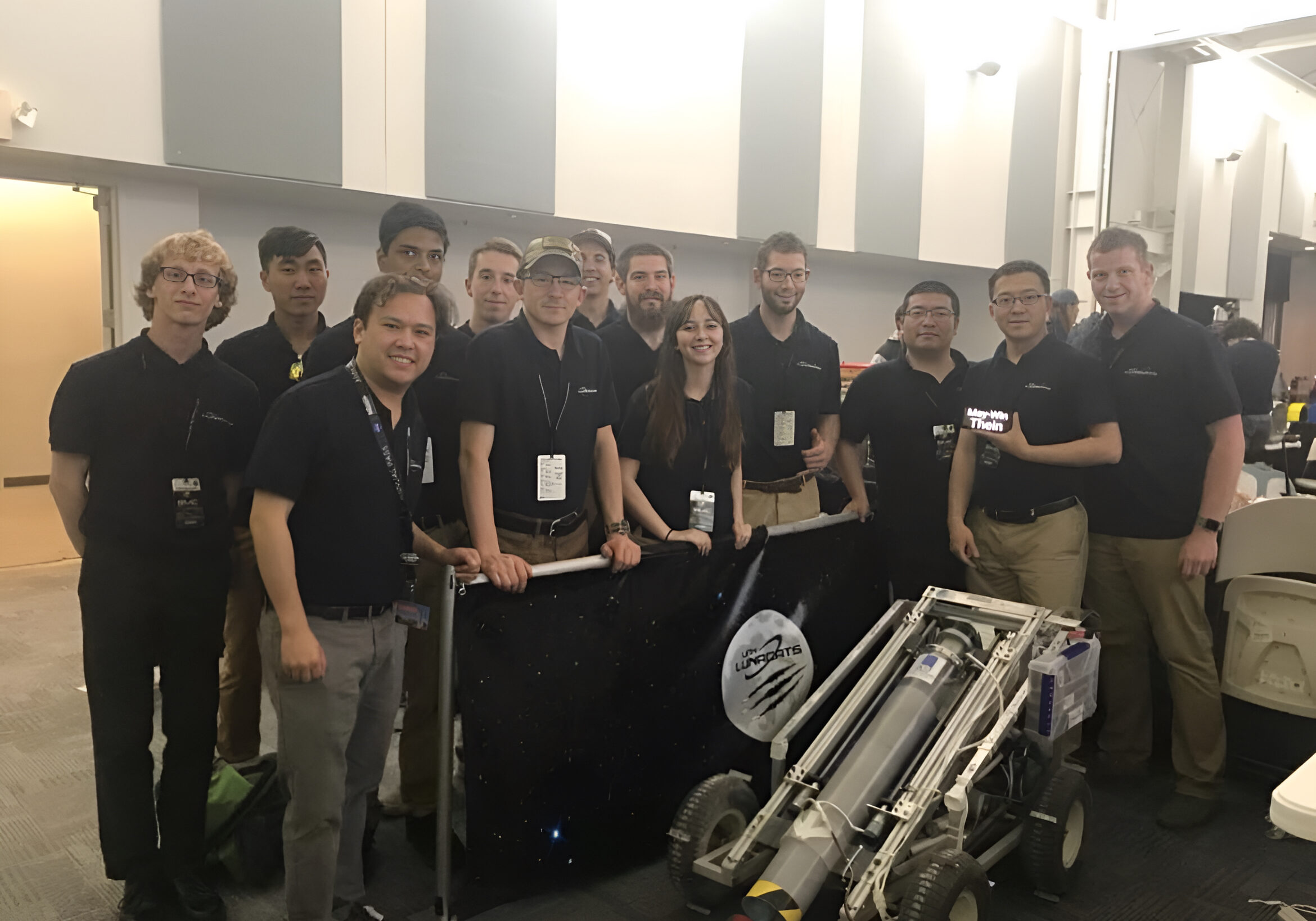
See Our 2024-2025 Robot In Action


Mechanical
Our mechanical teams are responsible for designing and building our competition robot each year. They use SolidWorks to create detailed 3D models that improve the robot's structure and performance for the lunar simulation. Next, they use Finite Element Analysis (FEA) to check the design's strength and durability for the competition. After finalizing the design, the team makes, assembles, and tests each part to build a fully working robot. This process requires precision, creativity, and teamwork to solve problems and meet competition standards.
Electrical
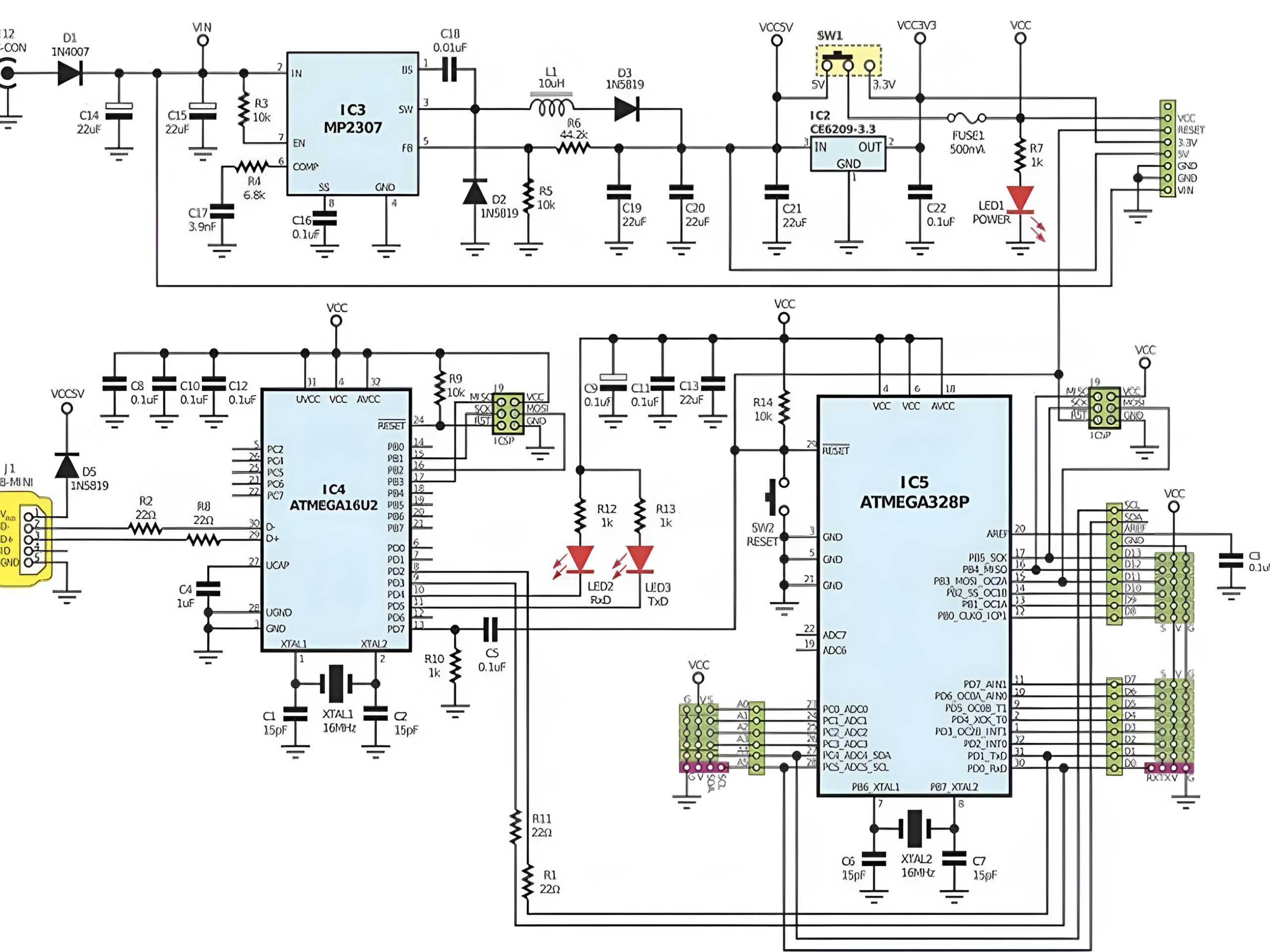
Our electrical team designs and builds the circuits to power and control the robot. They make custom PCB boards to manage data and signals, develop controllers for the robot’s systems, and add sensors for navigation and feedback. They also create a reliable power system. In addition, they choose off-the-shelf parts to improve the custom electronics, making sure the robot's electrical systems are efficient and reliable for the competition.
Software
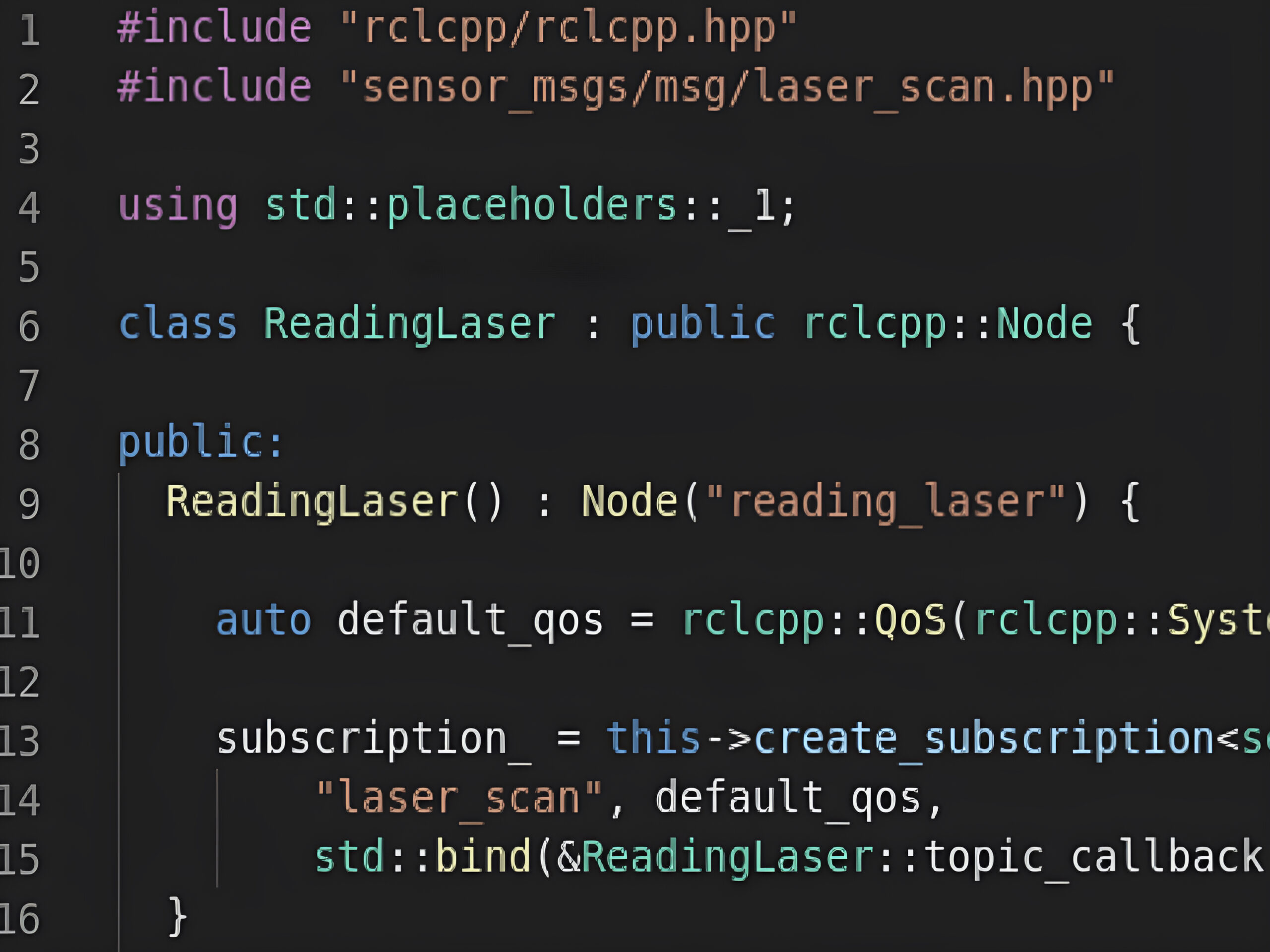
The software teams build the control systems that allow the robot to operate in both remote-controlled and autonomous modes. Using ROS2, they program the robot’s navigation and decision-making to adapt to changing environments. Their goal is full autonomy, so the robot can make decisions on its own. They add sensors like LIDAR for mapping and obstacle detection, ensuring the robot can navigate tough terrain and complete tasks with minimal human input, making it reliable for lunar simulations.
Our Sponsors

Beswick Engineering

University Of New Hampshire College of Engineering and Physical Sciences

University of New Hampshire Student Activity Fee Committee
Our location
The LunaCats team is located in Kingsbury Hall, the engineering hub at the University of New Hampshire in Durham, NH. Positioned in the heart of UNH, the College of Engineering and Physical Sciences provides convenient access to equipment and resources essential for our club. Kingsbury Hall fosters an environment of innovation and collaboration, home to a variety of engineering clubs and student projects, making it the ideal space for us to design, build, and refine our robot for the NASA Robotic Mining Competition. We welcome new members, collaborators, and visitors interested in exploring our work in robotic mining and space technology.
Frequently Asked Questions
What kinds of majors can join?
While our main body is typically made of Mechanical Engineering and Computer Science majors, there are plenty of spaces for Electrical, Physics, and even Business students. That being said, anyone can join, and anyone willing to participate may.
How much time does it take?
The LunaCats have two main member meetings a week, which are scheduled at the start of the year. Basic members are required to go to at least one meeting a week, though depending on your responsibility in the club, during certain times you may have to come in more to get more work done. We do have deadlines.
Is previous experience required to join?
No! Not at all. If you’re willing to learn, we’re willing to teach you. That being said, students who have participated in things like FRC or VEX are very, very welcome.
How do I join?
To join, just send an email to us, and we’ll contact you about when we can meet. We’re happy to have you!